Food photographers: discover how they work and get inspired
Food photographers are professionals who can make a dish, a product, or a recipe look irresistible through a single image. Behind the photographs we see on restaurant menus, in advertising campaigns, on social media, or on websites lies much more than just a good camera: lighting, composition, styling, and careful planning. Food photography has become a specialty with a multitude of professional opportunities. Restaurants, hotels, food companies, chefs, advertising agencies, publishers, and brands need high-quality images to showcase their products and connect with their customers.
If you’re thinking about specializing in this type of photography or simply want to discover how other professionals work, in this article we’ll explain what food photography entails, what kinds of jobs you can take on, what you need to get started, and how you can promote your services.
And, of course, we’ve also put together a selection of photographers who specialize in food photography so you can explore their work and find inspiration in their portfolios.
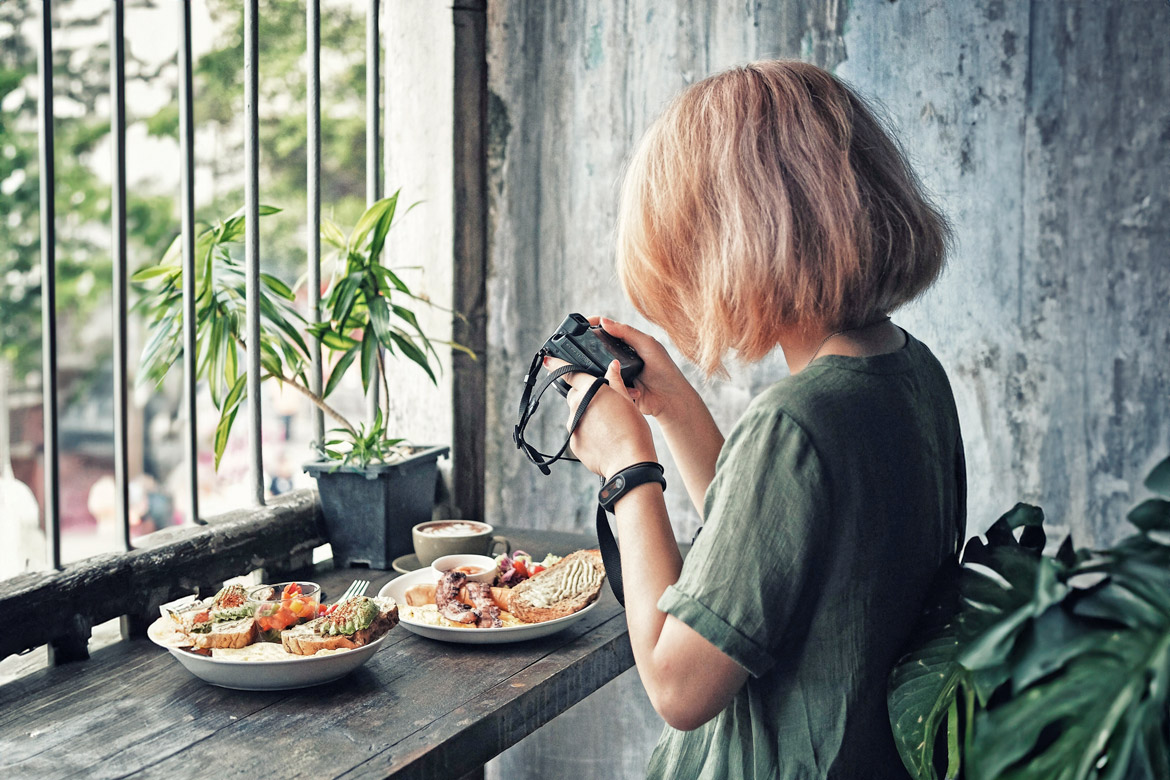
In food photography, it’s not enough to simply show a dish—you have to make the viewer imagine its taste, aroma, and texture.
What Is Food Photography?
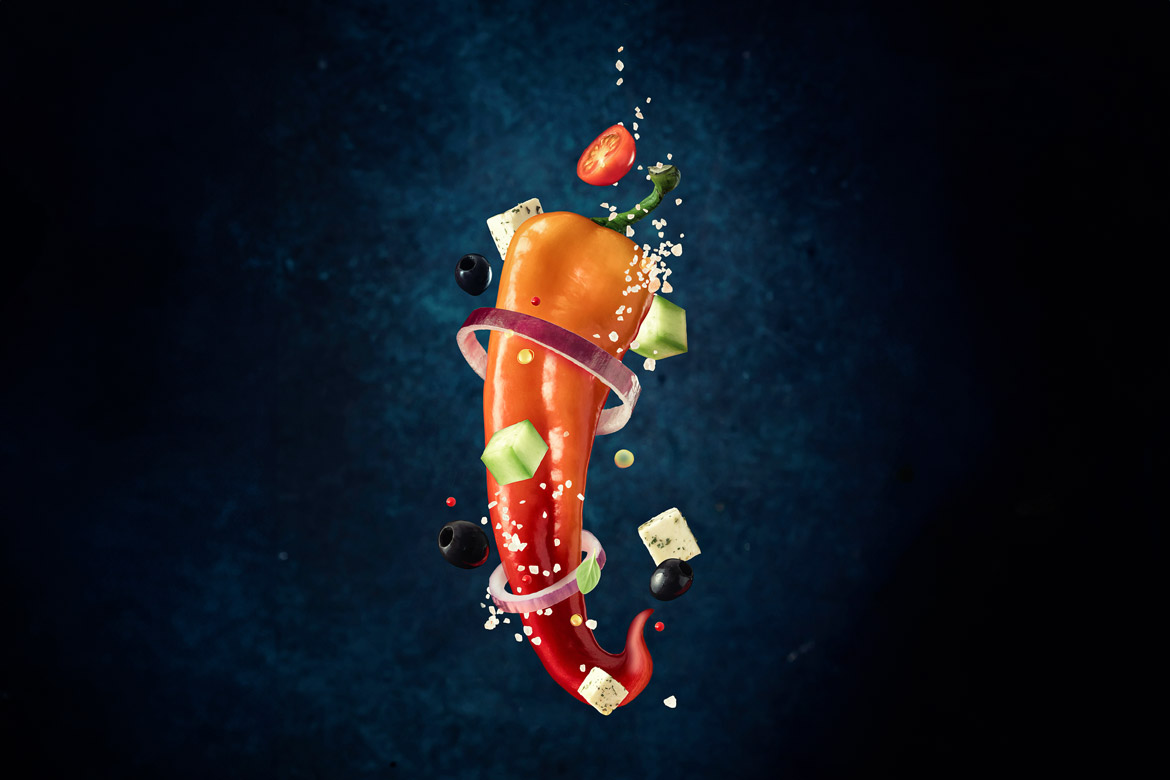
Food photography is a discipline specialized in creating appealing images of food, beverages, prepared dishes, and everything related to the world of gastronomy. Although photographing a dish may seem simple at first glance, a great deal of preparation goes into creating a good food photograph. You have to control the lighting, select the right angle, pay attention to the colors, arrange the different elements of the scene, and ensure that the food maintains an appetizing appearance throughout the entire session.
Furthermore, food photography serves an important commercial purpose. The images can be used to promote restaurants, introduce a new menu, sell food products, create advertising campaigns, or generate content for websites and social media.
That’s why a food photographer must do more than just master photographic technique. They also need to understand what the client wants to communicate and adapt the aesthetic of the images to the identity of each restaurant, chef, or brand. And just as important as doing good work is knowing how to showcase it: having a polished, attractive, and well-organized online portfolio will allow you to present your best photographs, convey your style, and make a good first impression on potential clients.
Where is food photography used?
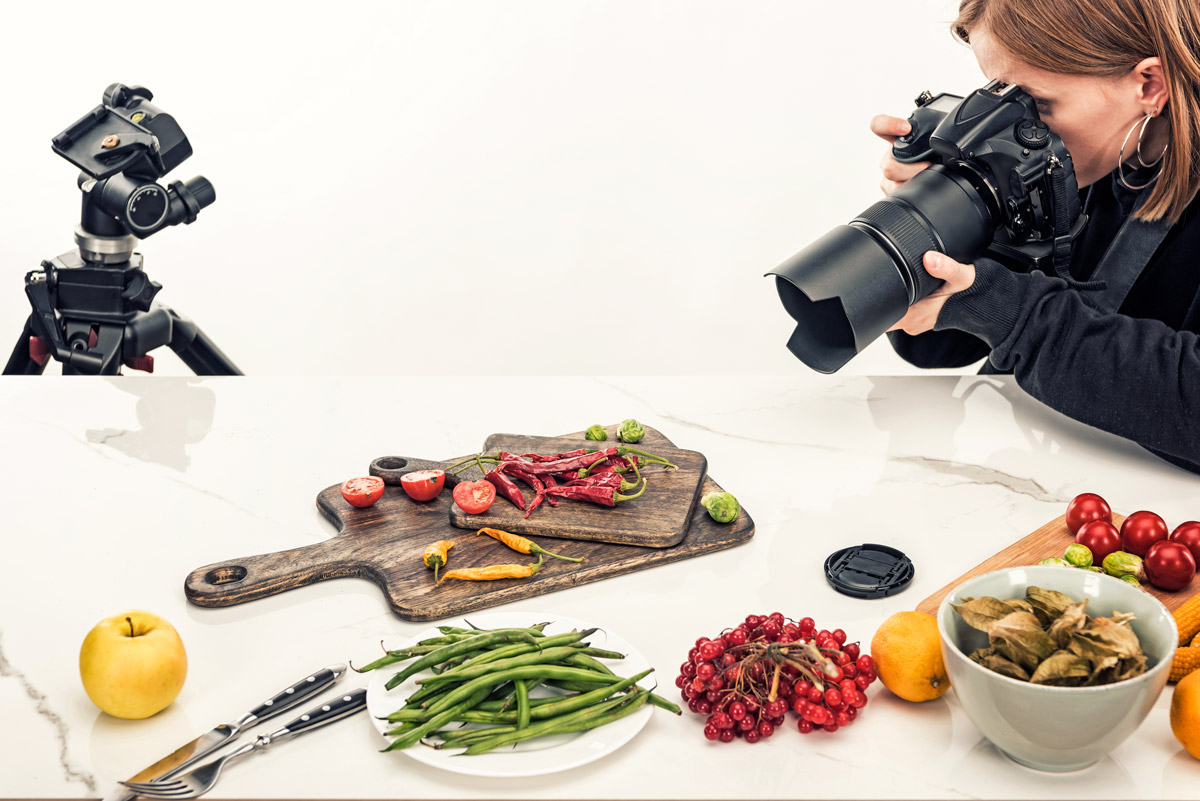
Food photography is present in far more places than we might imagine. Just take a look at a restaurant’s menu, visit a food brand’s website, or check out a chef’s social media to see just how important these images are. Restaurants turn to specialized photographers to showcase their dishes, update their menus, or create content for their websites and social media profiles. Food companies also need professional photographs for packaging, e-commerce, catalogs, and advertising campaigns.
Other common clients include hotels, wineries, coffee shops, bakeries, catering companies, food delivery platforms, culinary publishers, and advertising agencies. Even chefs and restaurant professionals themselves increasingly need images to build their personal brands.
This variety of clients makes food photography a very interesting specialty for photographers who want to expand their services and work on both small local projects and productions for major brands.
Types of food photography you can specialize in
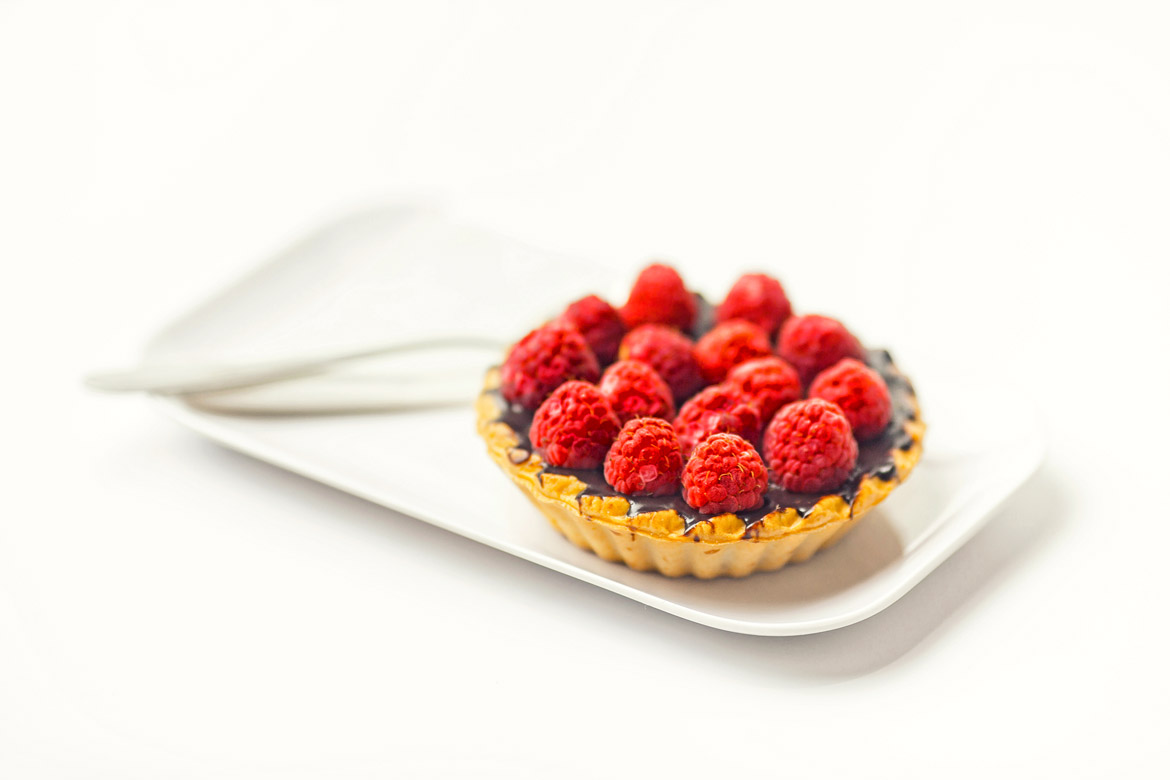
Within food photography, there are different types of assignments, and each requires a distinct approach to planning the shoot, lighting the food, and presenting the final result. Photographing dishes at a restaurant is not the same as creating images for an advertising campaign, a food brand, or an online store.
Understanding these possibilities will help you discover which style suits you best, specialize in the types of work that interest you most, and more clearly define the services you can offer your clients. Additionally, exploring different areas of food photography can open up new professional opportunities and allow you to work with restaurants, chefs, hotels, wineries, food companies, advertising agencies, and other brands related to this sector.
Next, we’ll review some of the types of food photography with the most promising career prospects.
Food Photography for Restaurants
This is one of the most common jobs for food photographers. The goal is to showcase a restaurant’s dishes in an appealing way that aligns with its brand identity. These food photographs can be used on the restaurant’s website, digital menus, social media, advertising campaigns, and booking and delivery platforms.
In this type of shoot, it’s especially important to work closely with the chef and pay attention to aspects such as the dish’s presentation, lighting, background, and the small details of the composition.
Food and Product Photography
Food brands need professional images to showcase and sell their products. This ranges from simple photographs against a neutral background for e-commerce to much more elaborate productions for advertising, packaging, or social media.
In these projects, the photographer must respect the brand’s visual identity and ensure that the product is easily recognizable and appealing to the consumer.
Gastronomic Advertising Photography
Advertising photography typically requires a more elaborate production. The goal is no longer simply to show a dish or product, but to convey an idea, an emotion, or the values of a specific brand.
Various professionals may be involved in these shoots, such as art directors, food stylists, agencies, designers, or retouching specialists.
Therefore, in addition to mastering the technical aspects, it is essential to know how to work as part of a team and follow a creative brief.
Food Photography for Social Media
Instagram, TikTok, Facebook, and other platforms have made food-related images and videos an essential communication tool.
Restaurants and brands need to generate content on a constant basis, which can present an opportunity to offer regular photo shoots. In addition to photos of dishes, these shoots can include images of the restaurant, the team at work, ingredients, preparation processes, or short videos for Reels and other posts.
What Does It Take to Be a Good Food Photographer?
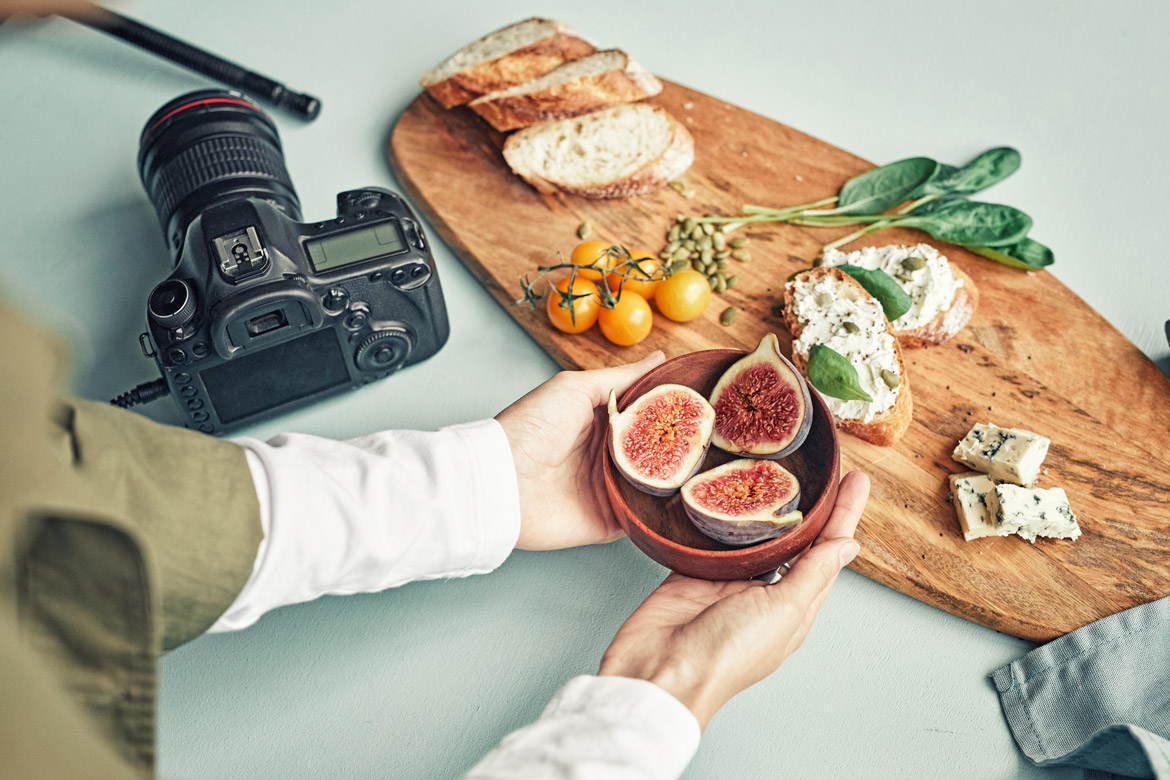
To stand out as a food photographer, having good equipment isn’t enough. Technique is important, but so are creativity, keen observation, and knowledge of the subject being photographed.
One of the fundamental aspects is mastering lighting. Both natural and artificial light can produce excellent results, provided the photographer knows how to control shadows, reflections, and textures. Composition also plays an essential role. The placement of the food, tableware, cutlery, ingredients, and decorative elements should help direct the viewer’s gaze toward the focal point of the image.
On top of all this, you need knowledge of editing and retouching, color theory, and a certain sensitivity to food styling. And there’s another particularly important skill: knowing how to work quickly. Many foods change in appearance within a few minutes, so planning each shot in advance can make a huge difference.
Basic Equipment to Get Started in Food Photography
You don’t need a studio full of equipment right from the start to begin food photography. A camera that allows you to shoot in manual mode and a fast lens may be enough to get started. Standard focal length lenses and macro lenses are particularly useful because they allow you to capture both wide shots and small details and textures.
It’s also a good idea to have a tripod, reflectors, and diffusers to better control the lighting. As you progress professionally, you can incorporate flashes, light modifiers, and other accessories.
But before investing large sums of money in equipment, it’s much more important to learn how to observe light and practice different compositions.
A window, a table, several backgrounds, and a few props can turn into a small studio that’s perfect for starting to create your first food photos and developing your own style.
Lighting and Composition: Two Keys to Food Photography
Light can completely transform the appearance of food. Soft lighting allows you to showcase textures and volume naturally, while higher-contrast lighting can add character and drama to certain scenes. That’s why it’s important to experiment with different light source positions. Side lighting and backlighting tend to work especially well in food photography because they help highlight textures, transparency, and volume.
Composition is equally important. Before taking the photo, it’s a good idea to decide which element will be the focal point and arrange the rest of the objects around it.
You can also experiment with different angles. Shooting from above works very well for tables with multiple dishes, while 45-degree angles allow many foods to be shown more naturally. A lower angle can be particularly appealing for voluminous items, such as burgers, cakes, or drinks. The combination of light, composition, and perspective will allow you to gradually develop a recognizable visual style.
Food styling can make all the difference
A good food photograph begins long before you press the shutter button. Preparing the dish and all the elements that appear in the shot is essential to achieving a professional result. This is where food styling comes into play—it ensures that the food looks its best in front of the camera.
The choice of tableware, backgrounds, textiles, cutlery, and complementary ingredients also helps create a specific atmosphere and reinforce the story we want to convey.
In professional productions, it’s common to work with food styling specialists. However, if you’re just starting out, learning a few basics will allow you to significantly improve your photographs.
The goal isn’t to fill the scene with decorative elements, but rather to use only those that help direct attention toward the food and reinforce the client’s visual identity.
How to Get Started as a Food Photographer

If you want to pursue food photography professionally, the first step is to practice and build a specialized portfolio. You can start by setting up your own scenes, collaborating with small restaurants, or working on personal projects that allow you to experiment with different lighting styles and compositions.
As you build your portfolio, try to showcase variety without losing consistency. Photos of dishes, drinks, ingredients, products, and settings can help a potential client quickly understand the kind of work you’re capable of producing.
It’s also worth getting to know the food scene in your area. Restaurants, cafes, bakeries, hotels, wineries, and local producers can become your first clients. And don’t forget that in addition to taking great photos, you’ll need to learn how to present your services, prepare quotes, organize photo shoots, and maintain professional communication with your clients.
Your website is your best showcase as a food photographer
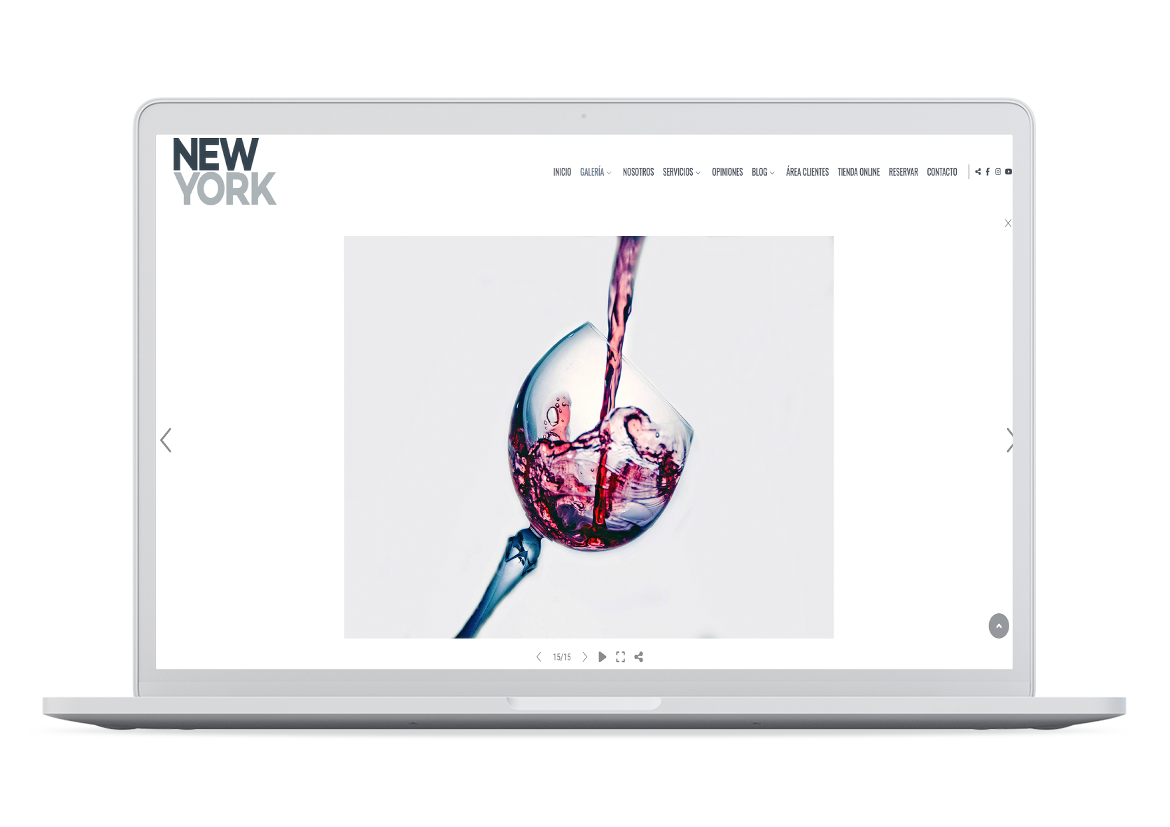
When a restaurant, agency, or brand is looking for a food photographer, one of the first things they’ll do is check your online portfolio. That’s why it’s important to have a professional photography website where you can showcase a curated selection of your best photos, explain the services you offer, and make it easy for potential clients to contact you.
With Arcadina, you can create a website specialized in food photography where you can display different galleries of your work, publish blog content, and present your services professionally. Plus, you can manage other aspects of your business all in one place: accept session bookings, send quotes and contracts, manage invoicing, or deliver work through private galleries.
This way, your website becomes more than just a portfolio—it’s a tool that helps you manage and grow your photography business.
Get inspired by these food photographers
One of the best ways to learn food photography is to observe the work of other professionals. Analyzing how they use light, what compositions they create, how they present food, or how they organize their portfolios can help you find new ideas. That’s why we’ve put together a selection of food photographers with different styles, backgrounds, and ways of working.
On their websites, you’ll discover photographs of restaurants, food products, beverages, advertising campaigns, and other projects related to the culinary world.
1# Xavi Fotografía: Specialists in Turning Gastronomy into a Visual Experience
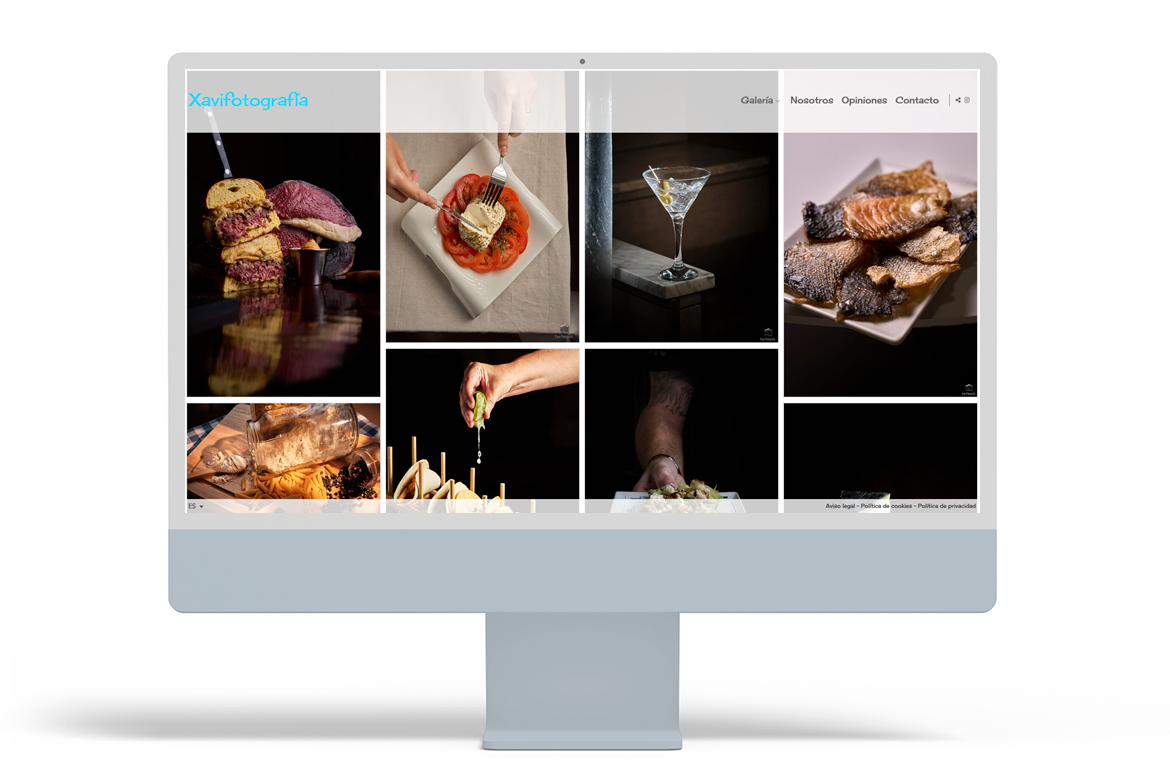
Behind Xavi Fotografía are Javier and Anna, two photographers specializing in food photography in Barcelona who have combined their passion for imagery and the culinary arts. Their work aims to go beyond simply showing a dish: they play with details, textures, and composition to also convey the sensations and the story behind each culinary creation. Their goal is to create photographs that highlight the quality and creativity of each dish and succeed in whetting the appetite through the eye.
Their website, created with Arcadina, serves as a true specialized showcase. Instead of grouping all their images into a single portfolio, Javier and Anna have organized their work into very specific galleries dedicated to cocktails, tapas, pasta, pizzas, burgers, desserts, still lifes, and different types of food. This categorization allows restaurants, chefs, and other industry professionals to quickly browse their work and see the variety of projects they are capable of undertaking. It’s a great example of how a well-structured photography website can help showcase a field as visually driven as gastronomy.
2# MRZ Culinary Photography: a website entirely focused on culinary photography
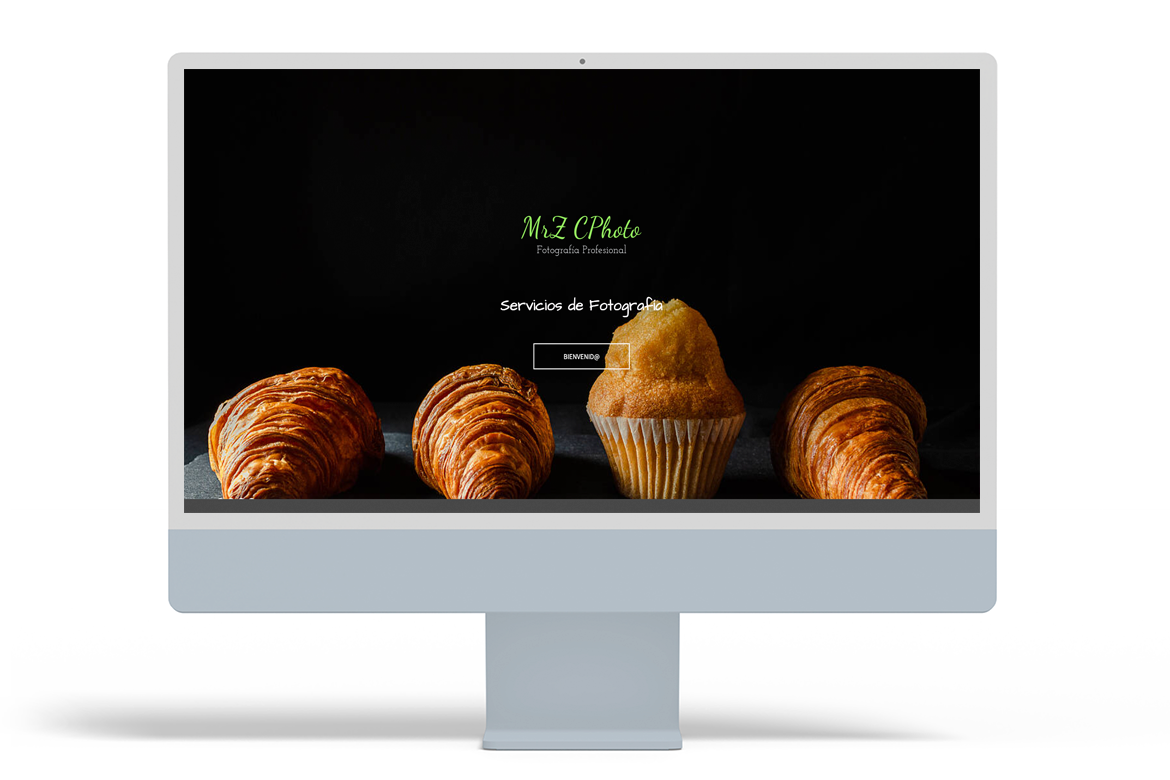
MRZ Culinary Photo is the project of Marcos Ruiz, a professional photographer based in Donostia-San Sebastián who specializes in culinary, still life, and product photography. His work is particularly geared toward restaurants, hotels, and companies that need to carefully curate the visual presentation of their dishes and products. In his photographs, he pays special attention to aspects such as lighting, color, and composition to create images that are visually appealing and aligned with each business’s visual identity.
Unlike other professionals in this selection who incorporate food photography among various specialties, Marcos has built his Arcadina website around this sector. From the very introduction of MRZ Culinary Photo, he makes it clear what kind of photography he does and which clients he targets, accompanying this information with a sample of his work. He also uses the website to explain his culinary photo sessions and help restaurants and other businesses understand his approach before they contact him. This highly visible specialization makes his website more than just a portfolio: it helps position his brand directly around culinary and product photography.
3# Yoly Bermúdez: culinary photography with a commercial perspective
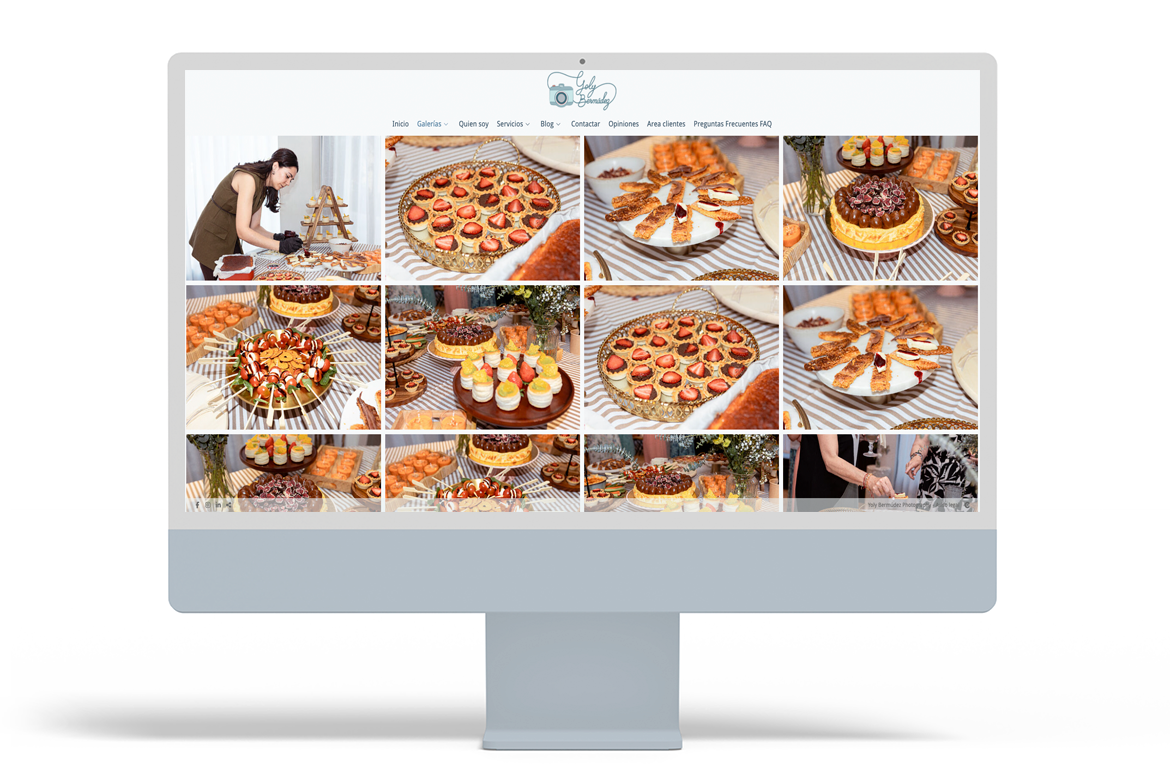
Yoly Bermúdez is a professional photographer based in Madrid who works across various fields of commercial photography. Her portfolio includes projects in food, product, architecture and interiors, events, and corporate portraiture, allowing her to shape the visual identity of companies and professionals from a wide range of perspectives. In her photographs, she pays special attention to lighting and composition to create images that are not only visually appealing but also designed to meet each client’s communication goals.
To showcase her work as a food photographer, Yoly uses her Arcadina website to dedicate a separate section to this type of work, where dishes and food take center stage. This allows restaurants, chefs, or companies in the industry to quickly identify this specialty and assess her style before contacting her. Furthermore, integrating food photography into a broader commercial portfolio allows her to show potential clients that she can handle not only photographing their dishes but also meeting other visual needs of their business.
4# SC Photo Profesional – Cristina Sarmentero: Creativity Applied to Food Photography
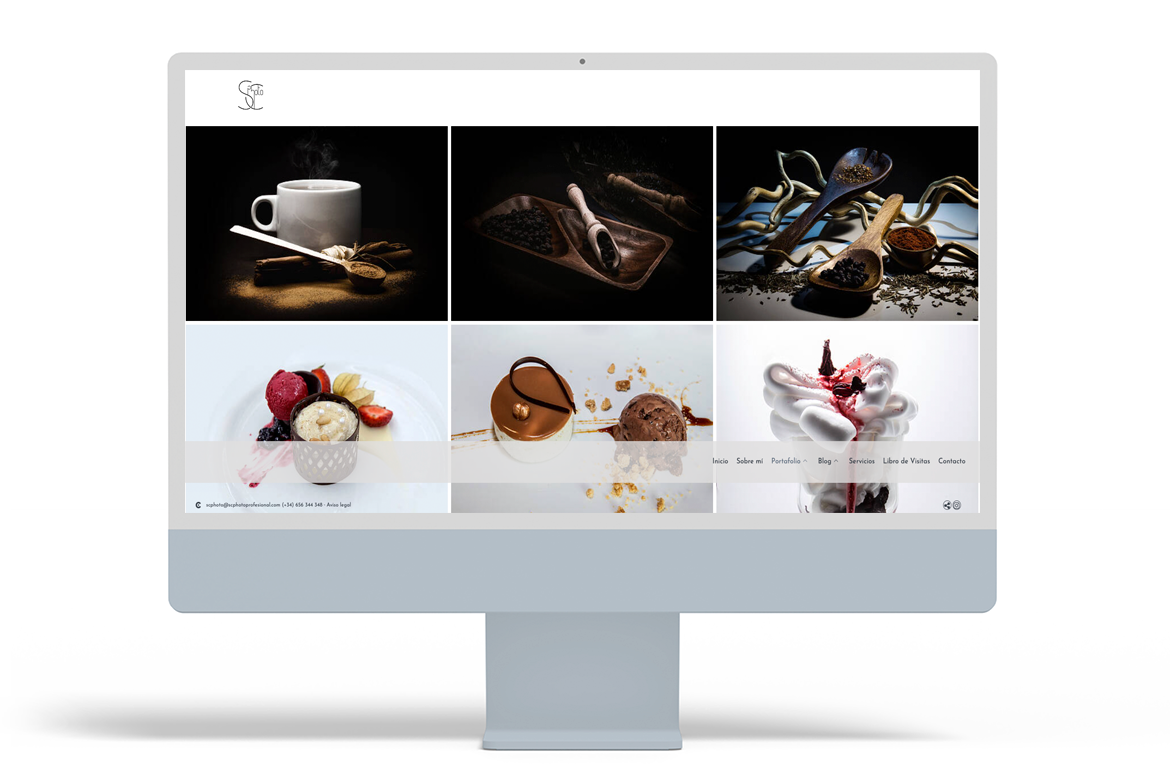
Cristina Sarmentero is the photographer behind SC Photo Profesional, a project based in Arroyo de la Encomienda, Valladolid. She describes herself as a versatile, creative, resourceful, and restless professional—qualities she brings to her work, which combines advertising photography with more personal projects. Professionally, she focuses primarily on product photography, food photography, corporate branding, and events—a profile specifically tailored to the visual needs of companies and brands.
On her Arcadina website, Cristina has chosen to give food photography its own distinct section within her advertising portfolio—called “Food”—setting it apart from her product photography. This decision helps position food photography as a specific service and makes it easier for restaurants and food-related businesses to directly access the images that interest them. Additionally, the site’s navigation allows users to move from these projects to other commercial areas of SC Photo Profesional, showcasing the various photographic solutions she can offer to a single company.
5# Andrea Donetti: Over 25 Years Creating Images for Businesses and the Food Industry
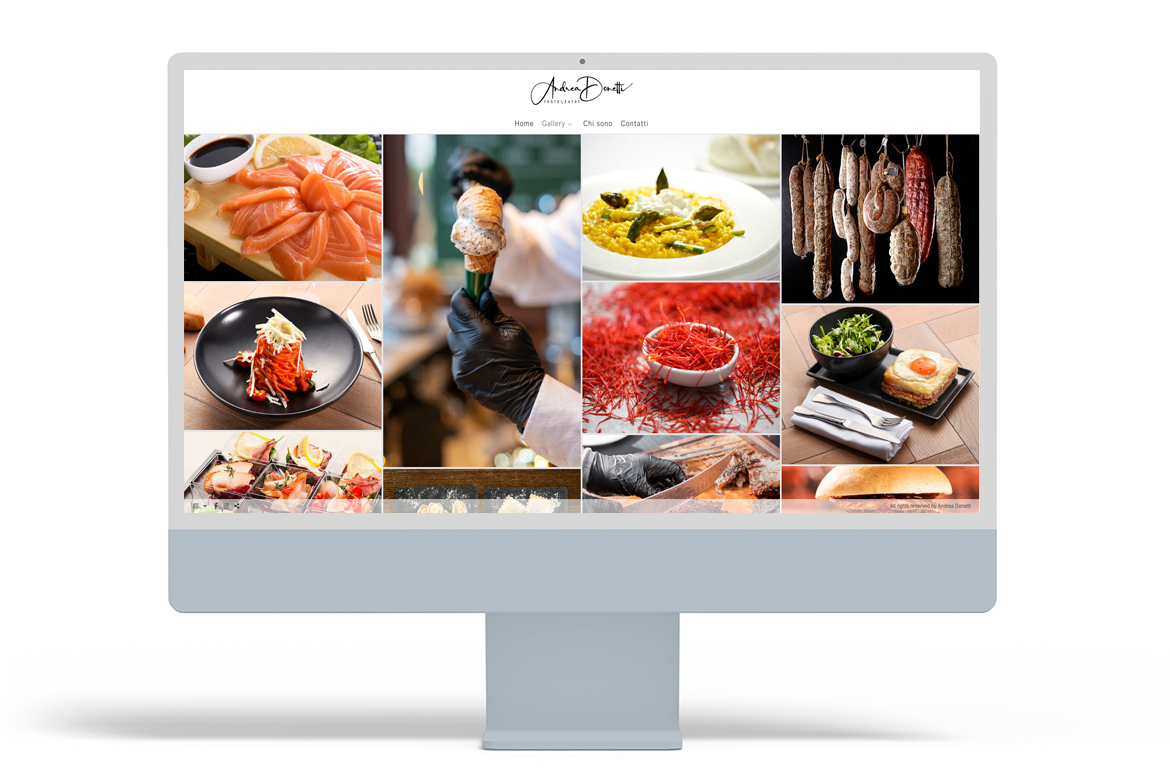
Andrea Donetti is a professional photographer from Milan with over 25 years of experience. His interest in photography began at a young age and eventually became his profession after training during a stay in Australia and completing his studies at the Italian Institute of Photography in Milan. Throughout his career, he has explored numerous disciplines and currently works on advertising, editorial projects, catalogs, portraits, events, and photography for e-commerce and websites.
On his Arcadina website, Andrea gives gastronomy a prominent place through a dedicated gallery called “Food,” which is featured alongside other sections of his portfolio such as “People,” “Still Life,” “Architecture and Interiors,” and “Events and Features.” This organization allows companies in the gastronomy sector to directly access a visual showcase focused on food and culinary creations, without mixing it with the rest of his commercial assignments. It’s a simple and effective way to use the website to direct each type of client toward the aspect of his work they’re actually looking for.
6# Rafa P. Carpio: culinary imagery designed to boost business
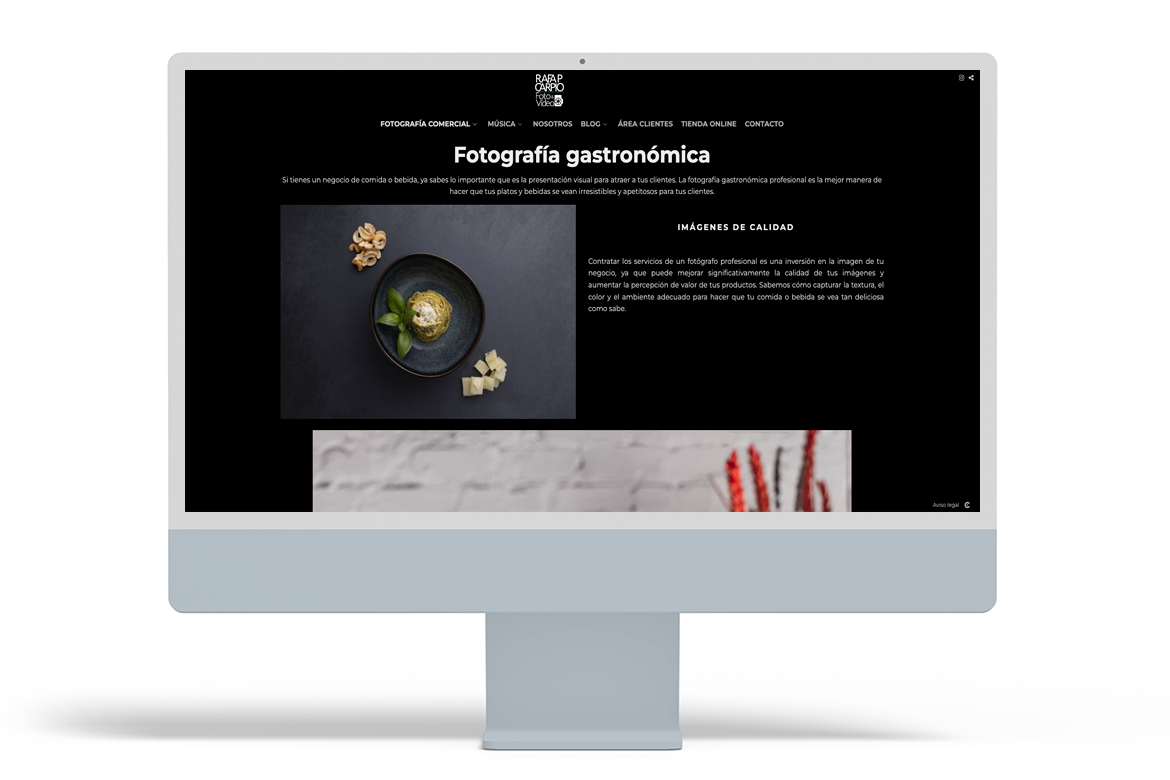
Rafa P. Carpio teams up with Katy on an audiovisual project that combines two very different worlds: commercial photography and music. Rafa trained for three years at Espai d’Art Fotogràfic and specialized in product photography, developing a creative process that ranges from conceptualization and planning to shooting and final editing. In his commercial work, he offers specific services in product photography and food photography, while also maintaining close professional ties to music photography and music videos.
On his Arcadina website, Rafa presents food photography as an investment for food and beverage businesses. He doesn’t just showcase the results of his photo shoots; he explains how professional images can enhance the perception of dishes and products, strengthen a visual identity, and attract customers. In addition, he suggests various practical applications for the photographs—such as social media, catalogs, or menus—and complements the service with portraits of the chef and the team or images of the establishment. In this way, the website also serves to explain to clients everything that a food photography project can include even before they request a quote.
7# 4 Estudio: Commercial and Food Photography in Murcia
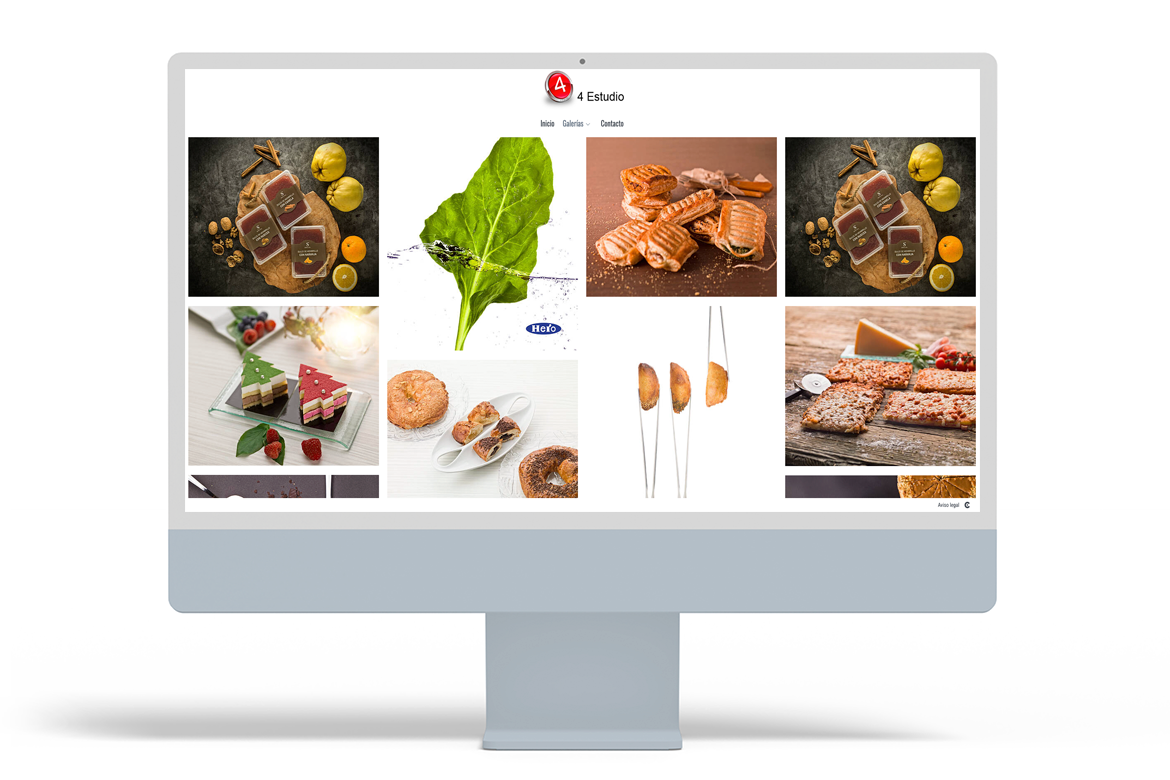
4 Estudio is a photography studio located in Las Torres de Cotillas, Murcia, focused primarily on creating images for companies and brands. Its work spans a wide range of commercial photography fields, from product and e-commerce to fashion, food, and projects incorporating CGI and image integration. This diversity reflects a profile specifically geared toward meeting the needs of businesses that need to present their products professionally in catalogs, online stores, and other commercial media.
On its website, created with Arcadina, 4 Estudio dedicates an entire gallery exclusively to food, separating it from both product photography and work intended for e-commerce. In this way, food-related images have their own category within the studio’s portfolio, and any food-related company can easily find examples of this type of project. This method of organizing the portfolio helps each sector quickly find work that aligns with its needs and reinforces the studio’s specialization in commercial photography applied to the food industry.
8# Santi Cabezas: gastronomy, product, and audiovisual content in Barcelona
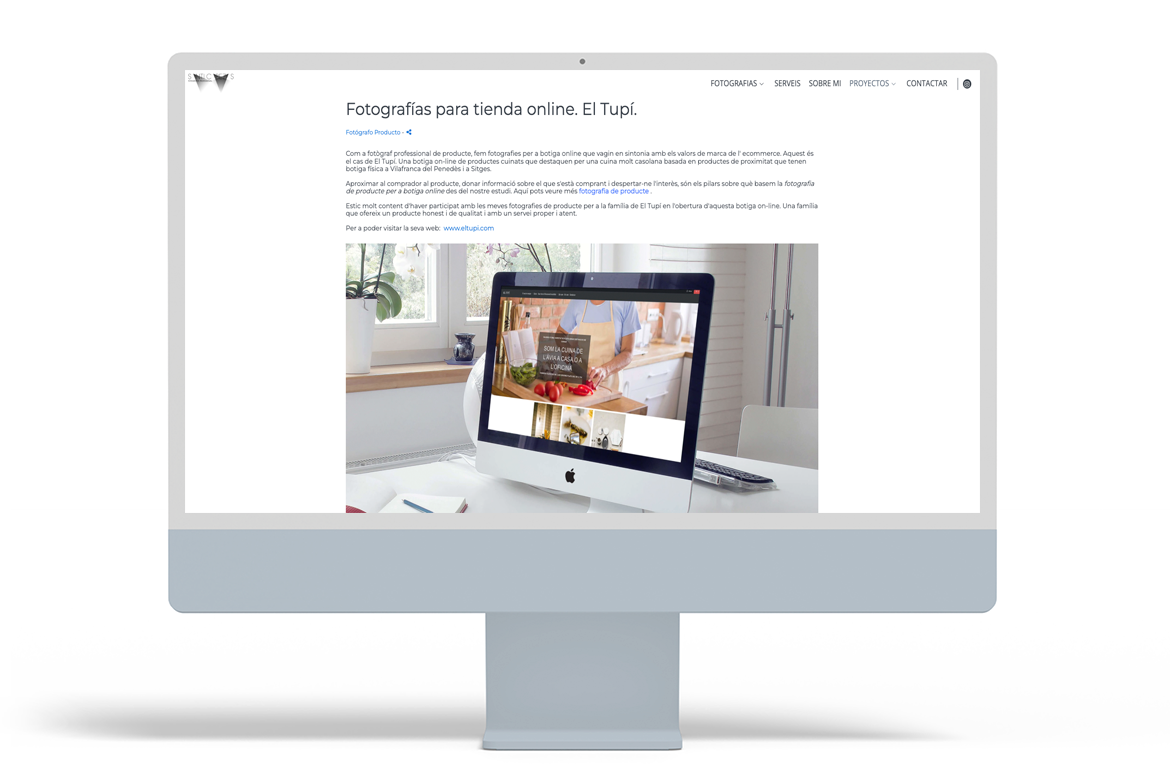
Santi Cabezas is a professional photographer and videographer in Barcelona with over 15 years of experience creating visual content for companies and professionals. His work spans various fields of commercial photography, including product, interior design, portraiture, and food photography, as well as video production. This combination allows him to take on projects where a brand needs to build a more comprehensive image and utilize diverse visual resources to showcase its products and services.
On his Arcadina website, you can also explore some of his food-related work. One example is the project he completed for El Tupí, which features product photographs and images of various dishes created for the company’s online store. Viewing the results of an actual commission demonstrates how Santi adapts photography to a specific commercial purpose and how food photography can serve as a tool for presenting and selling food online.
9# Santi Martorell: Product Photography with a Focus on Gastronomy
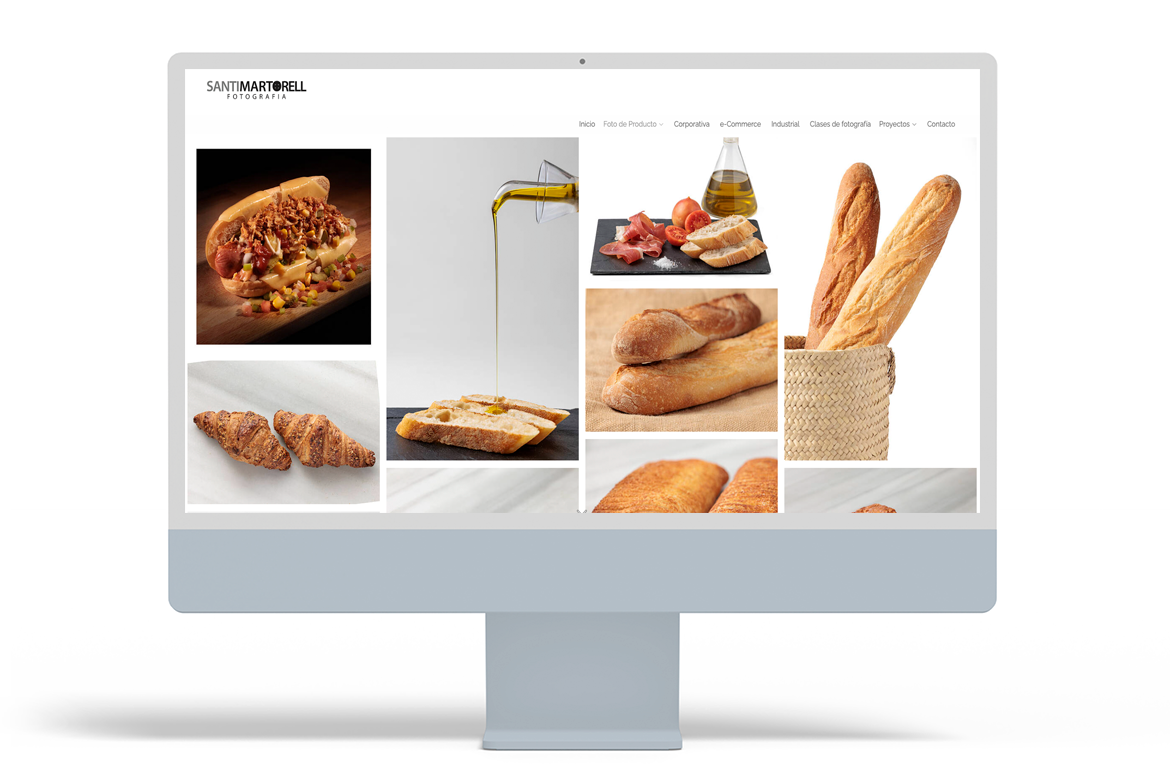
Santi Martorell focuses a significant portion of his professional work on product photography, a discipline in which he works with a wide variety of objects and materials. In addition to this commercial work, he also teaches photography, offering one-on-one lessons, small-group sessions, and workshops for organizations. This combination of professional work and teaching reflects a career closely tied to photographic technique and knowledge.
To highlight his food-related images, Santi has created a dedicated Gastronomy section on his Arcadina website within his product portfolio. Here, food takes center stage, allowing viewers to appreciate how he applies his expertise to this type of food photography and culinary compositions. Separating these works from other categories makes it easier for companies in the industry to directly access a specialized showcase and see how he visually presents these types of products.
10# Fotógrafo Gourmet: Images That Showcase Every Dish
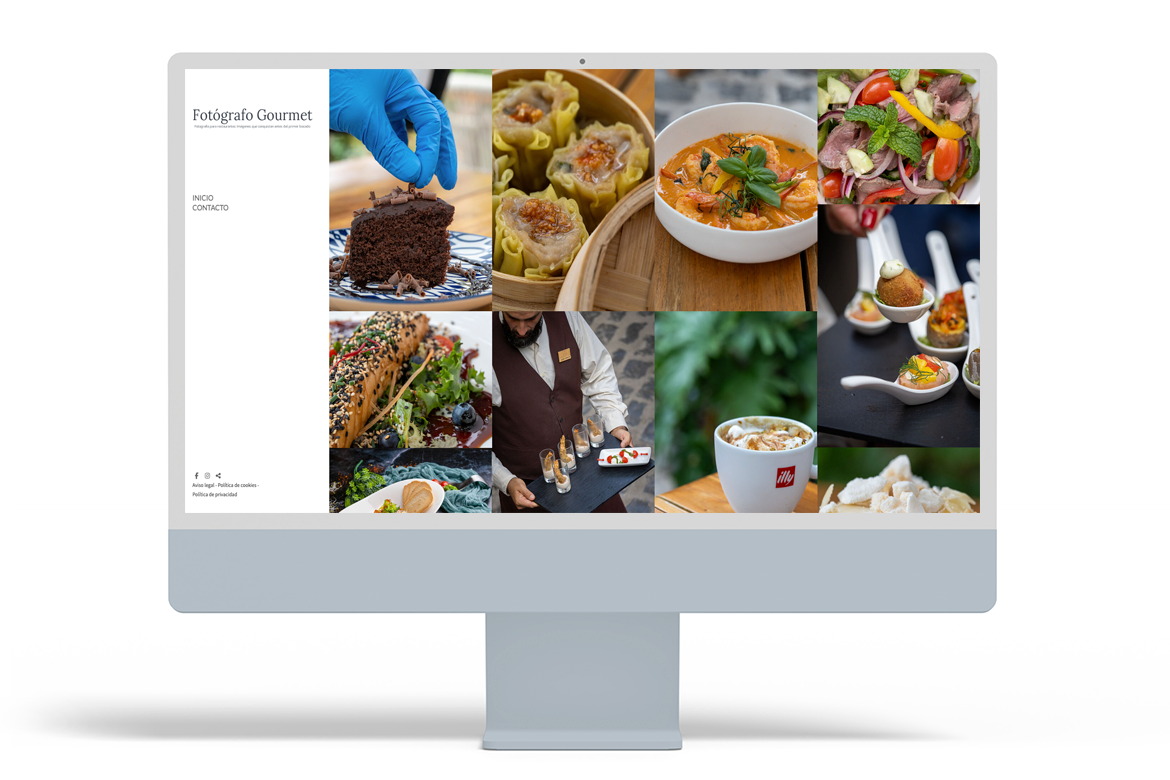
Fotógrafo Gourmet is a project specializing in food and product photography, focused on creating visual content for restaurants, chefs, food brands, and companies in this sector. Their work pays special attention to food presentation, lighting, and composition, aiming to ensure that each photograph is not only visually appealing but also helps convey the quality and personality of the product or dish in front of the camera.
Their website, developed with Arcadina, is designed to reinforce precisely that specialization and showcase a selection of work related to commercial photography. In this case, the very choice of “Fotógrafo Gourmet” as the brand name and domain works in their favor: any potential client understands from the very first contact what kind of professional they’re dealing with. The website allows him to reinforce this positioning with images and projects, serving as a meeting point between his identity as a food photographer and the restaurants, chefs, or brands seeking this type of service.
How to Attract More Food Photography Clients

Having a strong portfolio is essential, but you also need to ensure that potential clients can find it. SEO optimization for your photography website can help you appear in search results when someone looks for a food photographer in your city or region. To achieve this, you can create dedicated pages about your services and publish articles related to your specialty.
Social media is also particularly valuable in this industry. Sharing finished photos, short videos of your workflow, or “before and after” shots from a shoot can help demonstrate your expertise. Another strategy is to build relationships with restaurants, communications agencies, design studios, chefs, wineries, and food companies. Many of these businesses have an ongoing need for visual content.
And remember to pay special attention to the experience of clients you’ve already worked with. A satisfied restaurant may recommend you to other businesses, book new photo sessions when they update their menu, or hire you again for their campaigns.
Take the Next Step as a Food Photographer
Food photography combines technique, creativity, and a significant business aspect. If you’re passionate about this field, specializing in it can open doors to working with restaurants, chefs, hotels, food brands, agencies, and companies of all kinds. Practice different lighting setups, pay attention to composition, develop your own style, and create a portfolio that clearly showcases the type of work you want to land.
And when the time comes to turn that specialty into a business, having the right tools will allow you to spend less time on administrative tasks and more time on photography.
With Arcadina, you can have your own professional website, showcase your work in online galleries for photographers, manage bookings, send quotes and contracts, invoice clients, and deliver photos to them—all from one place.
Would you like to specialize in food photography, or do you already do this kind of work? We’d love to hear from you in the comments.
Arcadina goes with you
Fulfil your dreams and develop your career with us. We offer you to try our web service free for 14 days. And with no commitment of permanence.
Arcadina is much more than a website, it is business solutions for photographers.
If you have any queries, our Customer Service Team is always ready to help you 24 hours a day, 7 days a week. We listen to you.

Free trial · No card · No lock-in
Build your photography business online
Sales with no commission · Everything in one plan · 30-day free trial, no card