School photography and yearbooks: ideas and recommendations to sell more and manage your online orders
School photography and graduation photos are one of the most productive sectors of portrait photography, yet they remain one of the least talked about. It’s not just about taking a good front-facing photo of each student: behind it there is a story that deserves to be preserved forever, from children about to start primary school to university students days away from graduating. These graduation photos mark the end of a stage, reflecting the effort and camaraderie of a generation and that formal aspect that makes the memory special.
What’s more, the graduation photo doesn’t end with the session: in post-production, the composition is put together with all the students, and more and more schools, colleges and universities are demanding it as an essential part of the academic year. The challenge (and the opportunity) lies in the fact that you are not working with ‘one client’, but with many at the same time: families, students, tutors and the school itself, with tight deadlines and high expectations.
In this article, we’re going to gather ideas and practical recommendations so you can promote your school photography and graduation photos, stand out from other photographers and, above all, sell more with an online selection and ordering system that saves you time and helps you turn every campaign into a professional experience from start to finish.
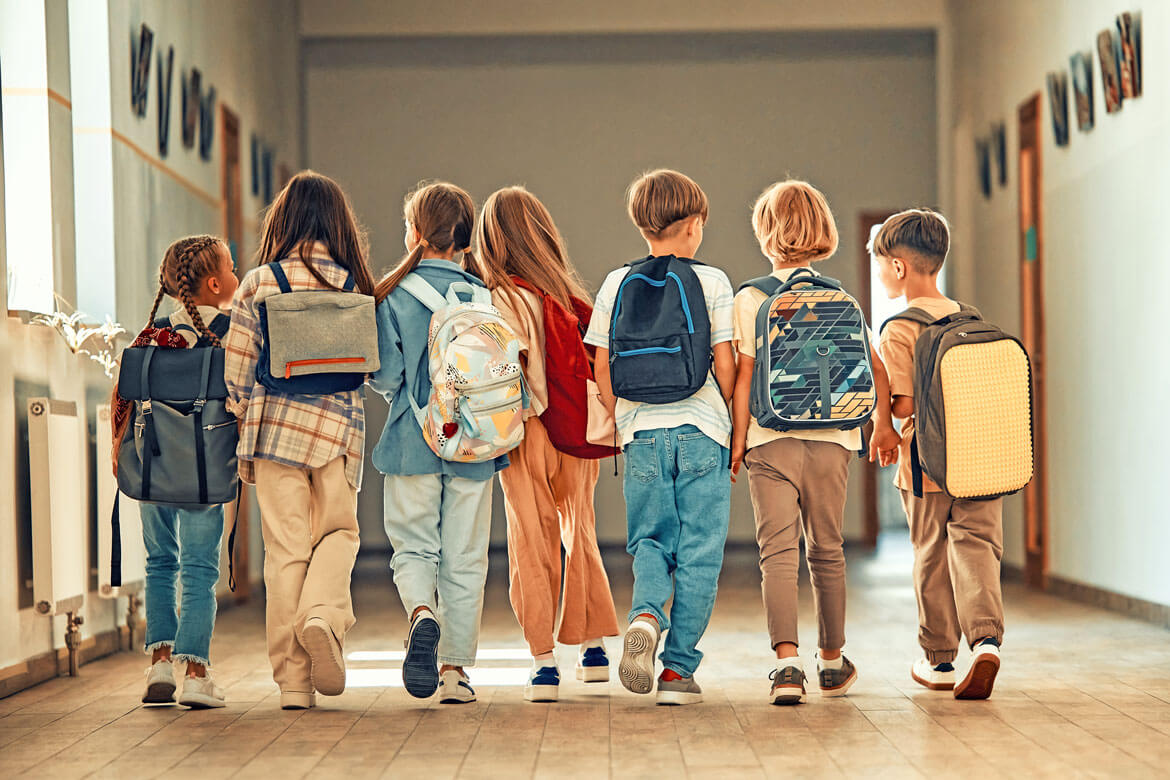
Ideas to boost your income with school photography and graduation photos.
School and graduation photography: what does this photography service consist of?
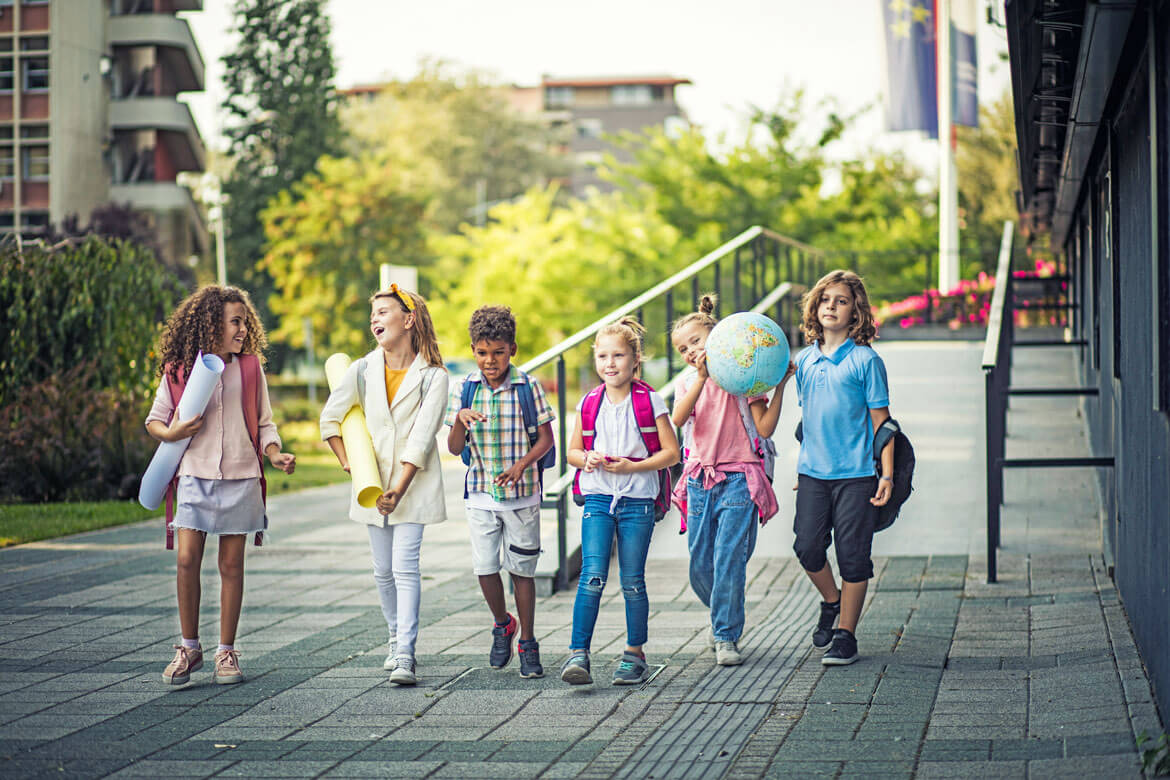
In school photography and graduation photos, the graduation photo is much more than just a “pretty” portrait: it is a collective project that seeks to portray an entire class with a formal, consistent and recognisable aesthetic. That is why so much care is taken with the lighting, framing, background and pose, so that each individual image works on its own… and also fits perfectly when the final graduation photo is composed. The objective is clear: to leave a uniform memory of an academic stage that brings together the students and, in many cases, the teaching staff as well.
Although for years graduation photography was associated almost exclusively with the final year of university, today it is an increasingly popular service in schools. It is especially popular in the transition from nursery to primary school, where families value closing this cycle with a more “official” and emotional image. And the trend does not stop there: secondary schools, vocational training and other educational programmes have incorporated this format as part of their end-of-stage celebrations.
For photographers, this means a growing opportunity within school and graduation photography: more centres, more key moments and more possibilities to offer packages and deliveries tailored to each level. With good planning and an efficient workflow, graduation photography can become one of the most profitable and repeatable services on the school calendar.
What is the work of a photographer like in school photography and graduation photo sessions?
In school and graduation photography, the ‘day-to-day’ doesn’t start when you arrive at school: it starts much earlier, with a schedule, script and logistics. A graduation photographer works as if setting up a small travelling studio: checking lists, class times, permissions, available space and a plan B in case something goes wrong. And yes, the golden rule is clear: bring extra equipment (batteries, flashes, backgrounds, clips, cables, cards), because coming back another day usually means losing margin and complicating coordination.
The key to keeping everything running smoothly is preparation. The better aligned the school (timetables and shifts), families (clothing and payments) and students (simple guidelines) are, the shorter and more efficient the session will be. This reduces waiting times, avoids interruptions and helps to maintain a uniform aesthetic, which is essential when it comes to composing the graduation photo.
During the shoot, the focus is on individual shots of students and, often, teachers. We work quickly but consistently: same lighting, same framing, same distance. And, if the schedule allows, we take advantage of the opportunity to take group photos by class or year group, which add value to the package and reinforce the collective memory.
The end result is not just an image: it is the visual closure of a stage. That is why school and graduation photography requires organisation, a human touch and precision and technic , in equal measure… so that each student looks good and the entire class is perfectly represented.
Working methodology when creating school images
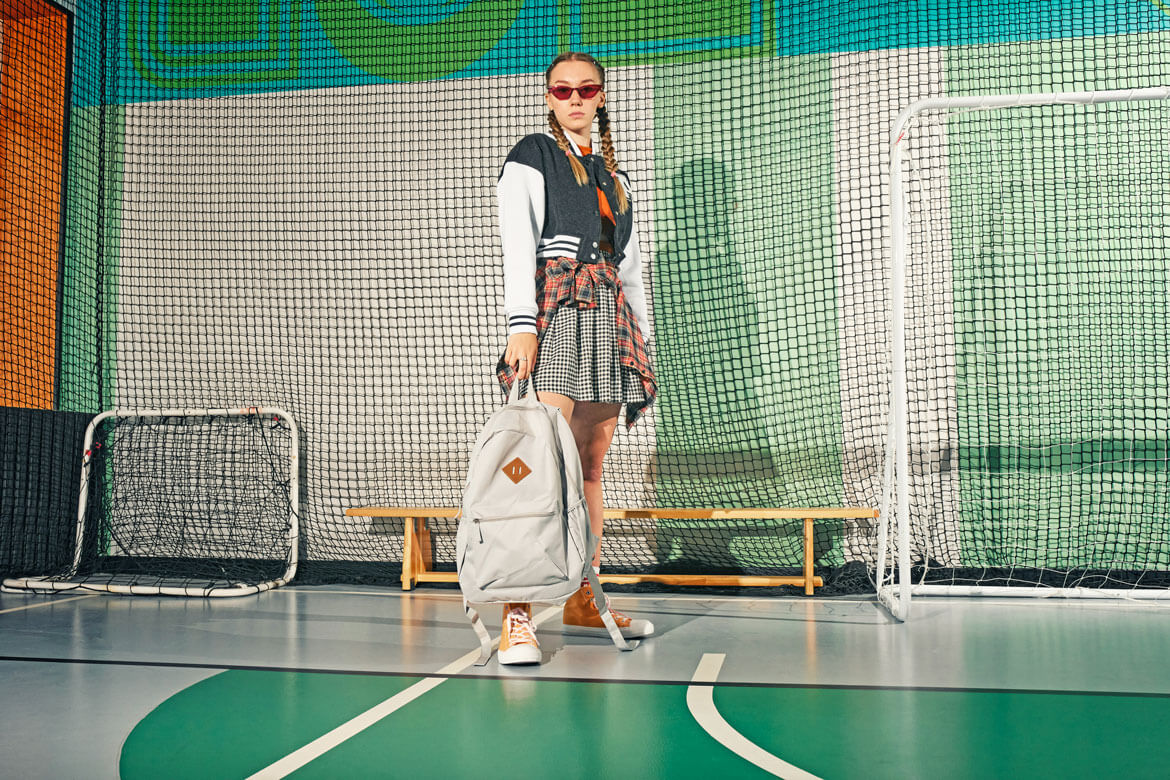
For a school photography and graduation photo project to be profitable, it is not enough to simply “take decent portraits”. Graduation photos are a large-scale undertaking where every decision (before, during and after the session) has an impact on your time, your margins and the experience of the school and families. Therefore, even though the photos may seem simple, the difference between a chaotic campaign and an efficient one lies in the working method used.
Below are the key points that should be defined before you start, which we will then develop in the following subsections:
- Planning and organisation: calendar, class shifts, time per student and coordination with the school.
- Packs and products: what you offer, how you present it, and how you increase the average ticket price.
- Technical equipment: lighting, background, camera and workflow to maintain consistency.
- Props and accessories: elements that add value without complicating production.
- Poses and direction: a quick script so that everyone looks good and the rhythm is not broken.
- Retouching: criteria and automation to avoid endless post-production.
- Composition of borders: formats, templates and review to avoid last-minute errors.
- Attracting and retaining customers: how to secure centres, renew campaigns and generate recommendations.
With this approach, school photography and graduation photos are no longer just “lots of photos” but become a repeatable system: more control, fewer surprises and better results for both you and your customers.
How to organise school photography and graduation photo sessions without wasting time
In school and graduation photography, organisation is what makes the difference between a profitable campaign and a week of “patchwork”. The goal is not just to take good portraits: it is to photograph many students in a few days, with a uniform style and without having to return to the school due to absences, delays or miscommunication. To achieve this, communication must be constant and clear between three parties: the school (who coordinates), the photographer (who executes) and the families or students (who are photographed and buy).
Before the session, it is advisable to agree on a very specific plan with the school or institution: dates, times, class shifts, support staff and a margin for incidents. It is equally important to choose the location within the centre: a space with good accessibility, light control and sufficient background to set up the set without interruptions. Once the location and pace are defined, the flow becomes predictable and production speeds up.
The other half of success is student preparation. A simple communication greatly reduces repetitions: clothing recommendations, hairstyle and make-up guidelines, and practical details (what to avoid: large logos, excessive prints, wrinkled garments). If they are minors, the message should go directly to the families; if it is a university, to the students. It also helps to include instructions on punctuality and, if applicable, how the selection and ordering will be managed.
With this approach, school photography becomes a system: fewer extra visits, fewer interruptions, and a more professional experience for everyone.
Graduation packs: how to create them to sell more
In school photography and yearbooks, packs are not an “extra”: they are the lever that defines how much you sell and how easy it is to buy. Before the campaign, it is a good idea to design a clear offer (few options, well differentiated) that combines school portraits, yearbooks and products that families really value. This way you avoid doubts, increase the average ticket and reduce queries.
Here are some ideas for creating attractive and scalable packages:
- Essential Pack: printed class photo + printed individual portraits (various sizes) and choice of finish (colour/B&W/sepia).
- Digital + Paper Package: printed copies + digital download of the individual and/or group photo in high resolution.
- Customisable Premium Package: add “gift” products (canvas, metal print, calendar, mug, mouse pad, magnets) to increase value without complicating the session.
- Graduation Pack: includes coverage of the event (diploma presentation, candid photos) and an additional selection for the family.
- Family Pack: mini family session linked to the school campaign (at the centre or in the studio) with a fixed price and limited availability.
- Studio Pack: for small centres or special cases: portraits and graduation photos taken in your studio by appointment.
- Teaching Staff/Team Package: group photo of teachers + basic corporate portrait for the centre’s website/social media (ideal for building school loyalty).
A practical tip: create 3 levels (Basic, Standard, Premium) and leave customisation for Premium. In graduation photography campaigns, fewer options and more clarity usually translate into more sales… especially if the purchase is made from a private customer gallery with centralised orders and payments.
Technical equipment for school graduation photography: what to bring and how to prepare it
In portrait photography, your equipment should not only take good photos: it should allow you to repeat the same result for hours, in a space you do not control. Therefore, rather than “taking a camera and flashes,” it is about putting together a campaign kit designed for indoor use, mobility, and consistency in school portraits.
Start with the essentials: a reliable camera and, if possible, a backup body. In terms of lenses, a bright fixed focal length (e.g. for portraits) helps maintain sharpness and separation from the background, but it is also practical to bring a versatile alternative in case space is limited. The important thing is to maintain a consistent frame so that the composition of the school portrait is clean and uniform.
Lighting is your lifeline. A simple, repeatable setup (flash/LED with modifier) will give you total control regardless of the light in the classroom. Add diffusers or softboxes to soften shadows and, if space allows, a reflector to balance the light. Always carry extra batteries/chargers and spare triggers.
The background is another key element: a neutral background (white, grey or light blue) makes retouching easier and unifies the entire class. Accompany it with stable supports, clips and gaffer tape; these are small things that prevent big problems.
And don’t forget the ‘invisible equipment’ that speeds up the work: extra cards, a card reader, a laptop/tablet for reviewing, a cleaning cloth, a list of students and a checklist. In school photography and graduation photo campaigns, the difference between working calmly and putting out fires usually lies in this advance preparation.
Props and accessories for students: order and speed in school photography sessions
In school portrait and graduation photo sessions, props are not a minor detail: they are what unify the image and turn an individual photo into a coherent graduation photo. The key is to work with a well-thought-out and, above all, well-organised set of accessories so that the pace of the campaign is not disrupted.
The usual items are a cap, sash, diploma, gown or, in simpler versions, a white shirt (and, if applicable, a tie). Some of the school’s ‘official’ items, such as sashes with the school crest or specific gowns, are usually provided by the institution itself. Even so, it is advisable to agree this in writing before the session and confirm how many items will be available.
Your job as a graduation photographer is to cover the most common “unexpected events”. Carrying a small emergency kit (white shirts in various sizes, neutral ties, safety pins, clips, double-sided tape, a comb, stain remover wipes) saves you downtime and prevents a student from being left out due to an oversight. It also helps to set up a prop table with clearly marked areas (what the school provides / what you provide / replacements) and a rotation system so that accessories always go back to the same place.
The more organised these logistics are, the more efficient the school photo session will be: less waiting, more uniformity and much less chance of having to come back another day to retake portraits due to incomplete uniforms.
How to direct students’ poses in school portraits
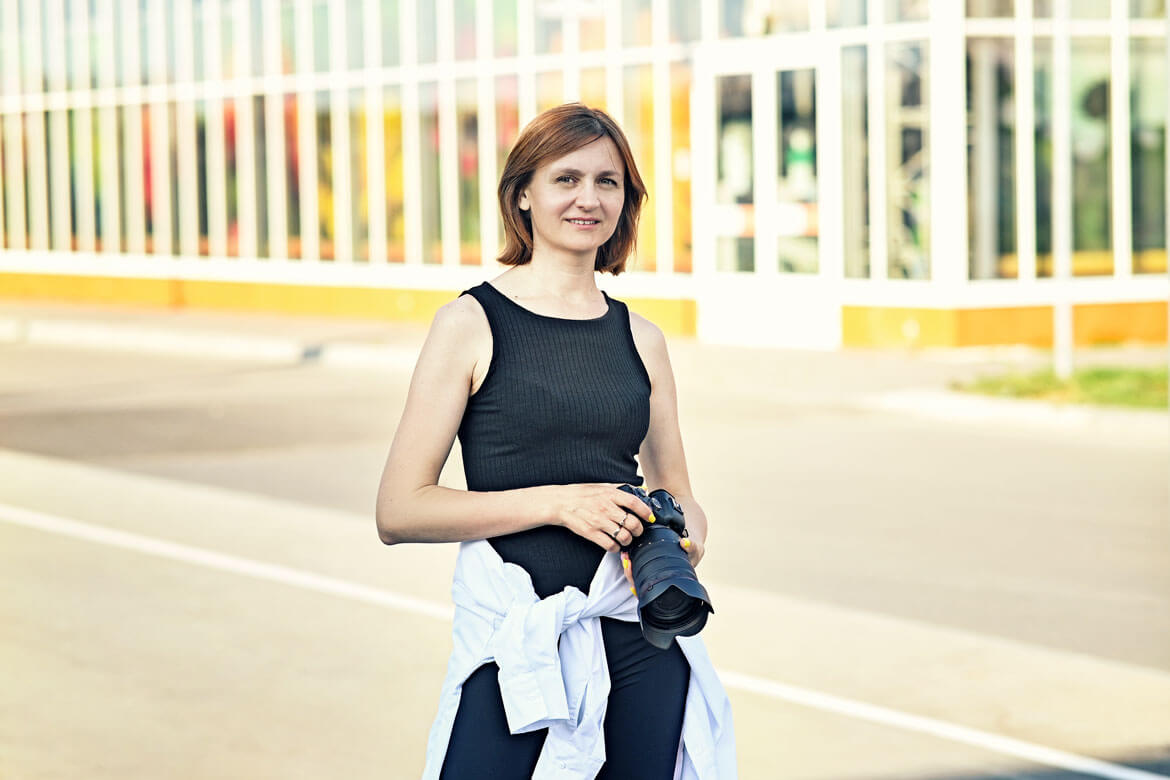
In school photography and school portraits, directing poses is more an exercise in method than improvisation. You are going to repeat the same instructions dozens (or hundreds) of times, so what works best is to have a 10-second “script”: posture, chin, gaze and micro-smile. The simpler the instruction, the faster you will get a consistent portrait and the smoother the campaign will be.
With young children, the rule is clear: few words and lots of demonstration. Instead of “stand up straight,” “back against the chair,” “nose towards me,” or “tiny smile” works better. Keep mini sessions very short and avoid complex pose changes. If you can bring an assistant, you’ll gain a lot: while you frame and shoot, that person can adjust caps, sashes and costumes, fix strands of hair, position hands and ensure that each student enters the set “ready”. This reduces downtime and improves uniformity, which is key to the final composition.
With university students and teenagers, it’s usually more dynamic, but another challenge arises: embarrassment. Here it helps to give them a specific reference (“shoulders back, slight tilt, look at the camera as if you were waving”) and shoot a small burst to choose the most natural expression. It also helps to explain why: “all the photos must be similar so that the class photo is perfect”. This reduces resistance and speeds up collaboration.
Retouching and post-production in school photography: speed without compromising quality
After the session, the phase that determines the profitability of a school photo campaign begins: retouching. In this type of work, the aim is not to “transform” anyone, but to achieve a clean, uniform and professional finish in all portraits, maintaining consistency in colour and light. The key is to work with a repeatable workflow: quick selection, basic adjustments and subtle retouching.
Start by standardising the important aspects: white balance, exposure, contrast and skin tone. When all the images share the same lighting scheme, you can apply presets or batch adjustments and save a lot of time. Then move on to fine retouching: small temporary imperfections, glare, stray hairs and any obvious creases in clothing. Just enough to make the portrait look polished, without losing its naturalness.
If you want to increase sales in school photography, a simple strategy is to offer variants as “extras” within your packs: for example, a black and white version of the individual portrait (or a soft sepia finish) that gives a “premium product” feel without having to redo the work from scratch. You can also prepare optimised cropping for different uses (print, ID card, digital), always keeping the same framing.
The more you automate and standardise criteria, the fewer hours you will spend on post-production and the more consistent the final result will be, especially when it comes to composing the class photo with dozens of students. This way, you gain in quality, speed… and margin.
How to create school class photos: composition, formats and final review
Once you have the school portraits ready, one of the most delicate phases of the entire process begins: creating the class photo. Here, it is not the person who makes the prettiest design who wins, but the person who works with a system that minimises errors and speeds up delivery. In a school photography and class photo campaign, the final composition is the “star product” and, at the same time, the point where it is easiest to make mistakes with names, positions or placements.
The ideal approach is to start with ready-made templates. Have several basic designs (primary school, secondary school, university; horizontal/vertical; with or without teachers) and decide in advance on the fixed elements: typography, name hierarchy, margins, size of each portrait and spaces for logos. This way, each new class becomes a matter of ‘filling in’ rather than reinventing.
Before you start putting it together, ask the school for a final list (first and last names as they should appear, year/group and teachers). If you can, work on that list on a controlled sheet to avoid errors from copying/pasting from PDFs or WhatsApp. Then, when placing photos, keep a logical order (by class, alphabetical or by rows) and use the same cropping and alignment for all: this gives a sense of professionalism.
Finally, set aside time for a final review: spelling of names, accents, order, correct logos and colour consistency between portraits. A double check (you + the school) is worth its weight in gold: it avoids reprints, rushes and returns, and ensures that your school photos come out perfect the first time.
How to attract and retain schools for school photography and yearbooks
In school photography and yearbooks, the real business is not in “running a campaign”, but in getting the school to choose you every year. Many photographers work with recurring agreements (sometimes exclusively), so attracting customers is more like a B2B relationship than a one-off sale: trust, order and zero problems.
To start adding schools, combine simple but consistent actions:
- In-person visit with a clear proposal: bring a short dossier (what you include, examples of graduation photos, timings, process and guarantees).
- Contact by email and phone call: a direct message aimed at making their lives easier: organisation, speed, data protection and delivery to families.
- A ‘frictionless’ offer for the school: transparent conditions, a fixed schedule, and an online photo sales system that reduces their workload (no charging, no distributing envelopes, fewer incidents).
- Annual service package: in addition to graduation photos and school portraits, offer campaigns for the start of the school year, festivals, Christmas or events; this will increase value and loyalty.
Retention is earned through operational details: punctuality, quick service, an easy-to-use private gallery, and an incident protocol (repeats for absentees, name changes, etc.). If the management team perceives that everything is under control with you, renewal will be natural.
And don’t forget the families: when you deliver the graduation photos, you are entering their home. Take advantage of that moment with a friendly offer (mini family session, outdoor or studio) with special conditions and a deadline. Converting a school campaign into new private customers is one of the most powerful ways to grow without relying solely on attracting new schools.
Extra ideas for selling more school photos and yearbooks
If you want to sell more school photography and graduation portraits, consider two strategies: increase perceived value and make purchasing easy. Packages help, but the difference usually lies in how you expand your offering without complicating production.
Here are some of the strategies that work best:
- Private gallery with online sales: deliver portraits and graduation photos in a protected gallery so that each family can choose copies, downloads and extras (and you don’t have to manage orders manually).
- More variety per student, same set: in addition to the ‘official’ photo for the yearbook, take 2-3 quick variations: with diploma, with cap/sash, and a more natural alternative. With the same lighting scheme, you multiply the purchasing options.
- Gift-ready products: magnets, mini albums, mementos, calendars, or “grandparent” packs increase the average ticket without adding time to the session.
- Premium group photo: don’t limit yourself to the class photo. Take a well-crafted class photo and, if possible, one with the teachers. These are common purchases because they represent the entire graduating class.
- Family session upsell: offer a mini studio (or outdoor) session for those who want a special memento, especially at the end of their degree or school career.
- Cross-selling to other groups: the same working model works for sports teams, academies or music schools: portrait + group + online sales.
The idea is simple: in school portrait campaigns, every little extra (well organised) adds to sales without increasing your workload.
Main challenges in graduation photos: common obstacles for school photographers
In school photography and graduation photos, the obstacles are not usually technical: they are usually managerial. You may have the perfect set, but if the flow of communication and delivery is not well organised, a campaign can turn into a chain of messages, questions and last-minute changes. And that’s normal: in a single shoot, you go from dealing with “one customer” to managing 20, 50 or even hundreds (especially in secondary schools and universities), all with questions, preferences and deadlines.
One of the most common challenges is dealing with families and students: complaints about absences, requests for retakes, name changes, questions about clothing, or requests for extra photos. Added to this is the pressure of the school calendar (graduation ceremonies, deadlines, end of term) and the need to maintain consistency in the portraits so that the school yearbook is coherent.
The real critical point comes after the session: delivery and sales. If everything depends on WhatsApp, random emails or manual lists, chaos is guaranteed. That’s why, rather than just “taking photos,” you need a system: an online space where each family can access only their images, view, select, download and, if they wish, purchase printed copies or additional products without you having to manage each order individually.
Before getting into specific solutions, it is important to clearly identify these areas (logistics, communication, incidents and sales). Once you have them under control, the campaign changes completely: less stress, fewer mistakes and more revenue for each promotion.
I don’t have a system that allows me to deliver and manage photos for many families at once
In school photo and graduation photo campaigns, the session and the sale are only half the job. The other half—and the one that can take up most of your time—is delivery. Once families have chosen their pack, the dance of files, names, versions, links, and questions begins. And if there are also digital downloads, the process can easily become slow and repetitive if you manage it manually.
The problem isn’t sending “a folder”; the problem is doing it for dozens of families at once, with the right content for each one, in the right format and without errors. If you rely on one-off solutions (generic platforms, individual links, USB sticks or CDs), you end up spending time on tasks that don’t add value: preparing files, renaming, compressing, replying to messages, resending expired links and dealing with “I haven’t received it / I can’t find it / I’m missing a photo”. Added to this is the risk of confusion between students, which is particularly sensitive in school environments.
That’s why, in this type of reportage, efficiency lies in centralising delivery. An online system designed for photographers allows you to automate much of the process: each family accesses their private gallery, selects and downloads what they have purchased, and you maintain control without having to “distribute” files one by one. The result is simple: less operational work, fewer incidents, and a much more professional experience for your customers, both for graduation photos and other school portraits.
Managing and organising printed copies takes up a lot of my time
In school photography and school yearbooks, paper continues to play a leading role. Many families want to keep the class photo, individual portraits in various sizes, and some group photos for albums or gifts. The challenge is not in printing, but in coordinating: how many copies each family orders, what formats, what finishes… and how to deliver them without errors.
When you manage all this manually, the classic “holes” in the process appear: orders written down in various places, last-minute changes, unidentified packages, or families asking for a different size than the one they ordered. And although it is usually most practical to send everything to the centre for distribution, in practice it is easy for confusion to arise: envelopes get misplaced, orders get mixed up between classes, or a package does not reach the right person. The result: phone calls, complaints and, in the worst case, reprints that eat into your margin.
The key to avoiding this is to treat delivery as part of the workflow, not as an “extra” at the end. Clear identification by student, order control, closed lists before printing, and a system that minimises manual intervention. The more traceable the process—from selection to packaging—the less you will depend on third parties and the less likely there will be losses or misunderstandings.
This way, printed copies cease to be a headache and become what they should be in graduation photo campaigns: a profitable, easy-to-manage product with flawless delivery.
I can’t seem to generate extra revenue with school photography campaigns
Offering two or three fixed packages for this type of photography for schools and universities is a quick way to simplify the campaign: fewer questions, fewer messages and easier decisions for families. It works especially well when the goal is to move volume without complicating your life. The problem is that if everything is limited to those packages, you are leaving money on the table: there will be families who want just one more thing (an extra copy for grandparents, an additional download, a different size…) and have no easy way to add it.
This is where incorporating a well-designed online sales platform changes the game. You keep your packs as a base—so as not to lose order—but allow each family to personalise from there: select their favourite photos, add printed or digital extras, choose sizes and finishes, pay on the spot, and manage delivery without endless phone calls or message exchanges.
What’s more, if the system allows direct home delivery, you reduce the classic bottleneck of distributing envelopes at the centre. For you, this means less manual logistics and fewer incidents; for them, a more convenient and modern experience.
The key is this: simple packs for quick decisions + optional extras to increase the average ticket. This way, each school portrait and graduation photo campaign can generate more revenue per family without your workload skyrocketing. And when selling more doesn’t mean managing more chaos, the profitability really shows.
Private galleries and online print copies: hassle-free delivery and sales
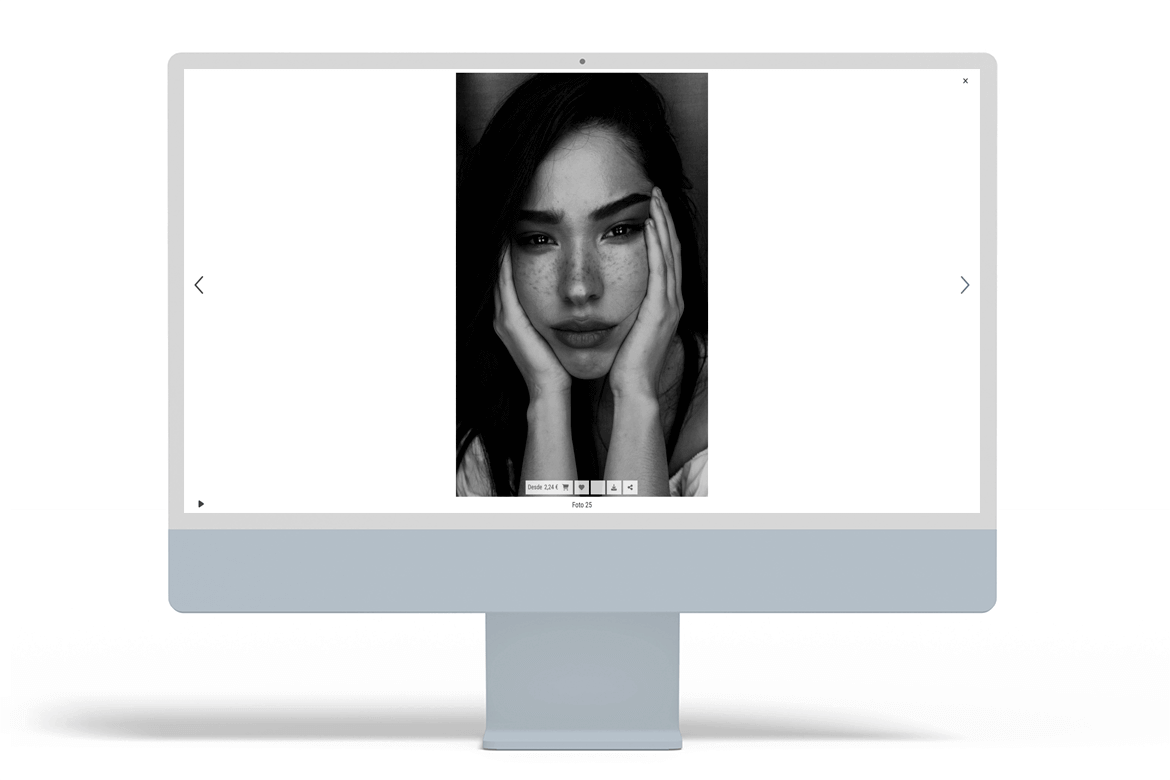
In school photography and graduation photo campaigns, the biggest time “hole” is usually after the session: delivering files, answering questions, preparing orders and coordinating printed copies. That’s why combining private galleries for customers with a printing service connected to a professional lab can make a world of difference: you reduce repetitive tasks, improve the experience for families and increase the average revenue per order.
The idea is simple: each family logs into their private area, views their school portraits and graduation photos, and from there can do everything without depending on you. For example: select the images included in their package, download the available digital files and, if desired, add extras (additional sizes, copies to give away, products such as calendars or enlargements). Payment is also integrated, so you save yourself the hassle of managing transfers, reminders, or manual confirmations.
Printing connected to a lab adds another key benefit: the copies come out with professional quality and the flow is cleaner. Instead of collecting orders, grouping them, printing them, and distributing envelopes, the system centralises the request and, depending on the configuration, can even send it to the customer’s home. Fewer errors, fewer “my envelope is missing” complaints, and fewer reprints due to confusion.
In short: in school photography and graduation photos, a gallery with selection, download and sale + online printing makes delivery an automatic and profitable process. And that leaves you time for what’s important: attracting schools, creating better campaigns and scaling your business.
Below, we take a closer look at one of our flagship Arcadina business solutions designed for photographers.
Complete galleries for graduation photos: selection, download and sale in one place
For many families, discovering that they can manage their school photos and graduation photos from a private gallery is a complete change: they log in when it suits them, view their images at their leisure, select their favourites and decide if they want downloads or extra copies. For you, the impact is even greater: fewer messages, fewer “can you resend it to me?” requests and much less manual management.
A gallery with multiple modes (selection, download and sale, for example) turns delivery into an orderly, self-service process. You can configure it so that each family chooses the photos included in their pack, downloads what they have already purchased and, if they wish, adds additional products without you having to intervene at every step.
If you want to activate it, here are the guides from our help section:
>> Customer gallery – Create a gallery with multiple modes
In addition, you can display packs directly within the private area, so that the choice is quick and clear (Basic, Standard, Premium), and then leave the extras as a supplement.
>> Customer galleries – Products – Packs
And if you want to offer it as a “premium” option, you can also allow the entire gallery to be downloaded in a single click: ideal for families who want to keep everything or for university promotions.
>> Customer gallery – Create a digital download gallery
In summary: in school photography and graduation photos, a well-configured gallery not only improves the customer experience, it also frees up your time and opens the door to more sales per campaign, without complicating your operations.
Graduation photographers trust Arcadina: start promoting and selling your photos from your website today
School and graduation photography can become a recurring source of income each academic year if you build stable relationships with schools, colleges and universities in your area. But to make it truly profitable, you need more than just good graduation photos: you need a system that allows you to work in an organised manner, save time and offer a flawless experience to families and students.
That’s why many photographers who want to simplify their day-to-day work and provide a professional online service rely on Arcadina. With our business solutions, you can promote your campaigns from your website and deliver the photos through a private gallery where each customer can view, select, download and purchase copies or extra products, without you having to manage everything manually.
If you are not yet familiar with these options, you can try Arcadina free for 14 days and see how it fits into your workflow for school campaigns and graduation photos.
This time we are going to share with you the interview of one of the photographers we have presented to you today, Antonio Siles.
>> Meet Antonio Siles, children’s and family photographer
And finally, we would like to know: have you ever considered offering photography for schools and graduation photos on your website? We look forward to reading your comments.
Arcadina goes with you
Fulfil your dreams and develop your career with us. We offer you to try our web service free for 14 days. And with no commitment of permanence.
Arcadina is much more than a website, it is business solutions for photographers.
If you have any queries, our Customer Service Team is always ready to help you 24 hours a day, 7 days a week. We listen to you.