Vivian Maier: the photographer who taught us to look at the street in a different way
There is something about Vivian Maier’s story that continues to fascinate photographers around the world: for decades she took photographs without seeking recognition, without building a personal brand and without showing her work to almost anyone. Whilst working as a nanny, she would go out onto the streets with her camera and observe everyday life with an extraordinary sensitivity.
Born in New York in 1926, Vivian Maier spent part of her youth in France and produced much of her work in cities such as Chicago and New York. Over the course of her life, she left behind more than 100,000 negatives, as well as home movies and recordings—a vast archive that would not be recognised until after her death in 2009.
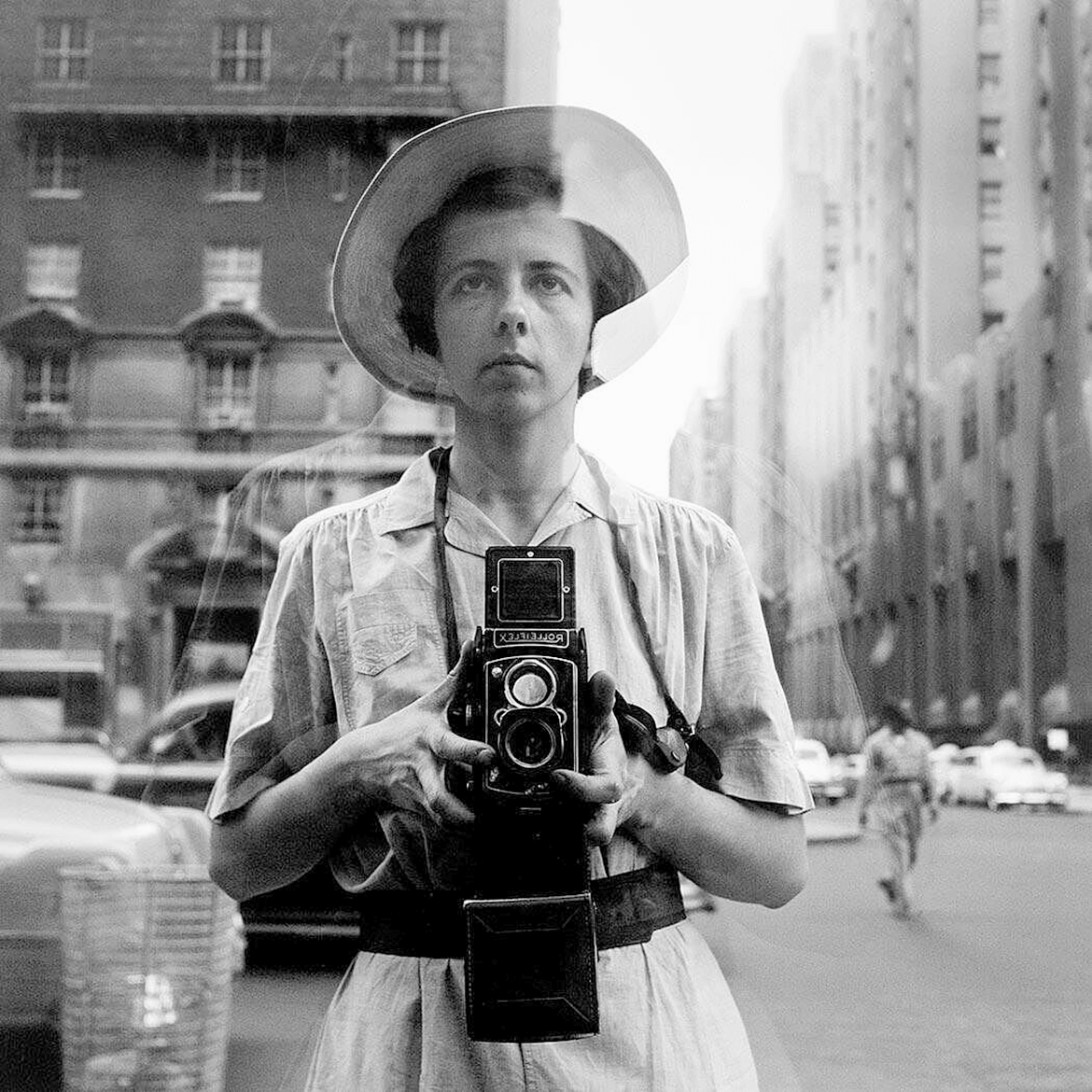
A silent gaze in the heart of the city
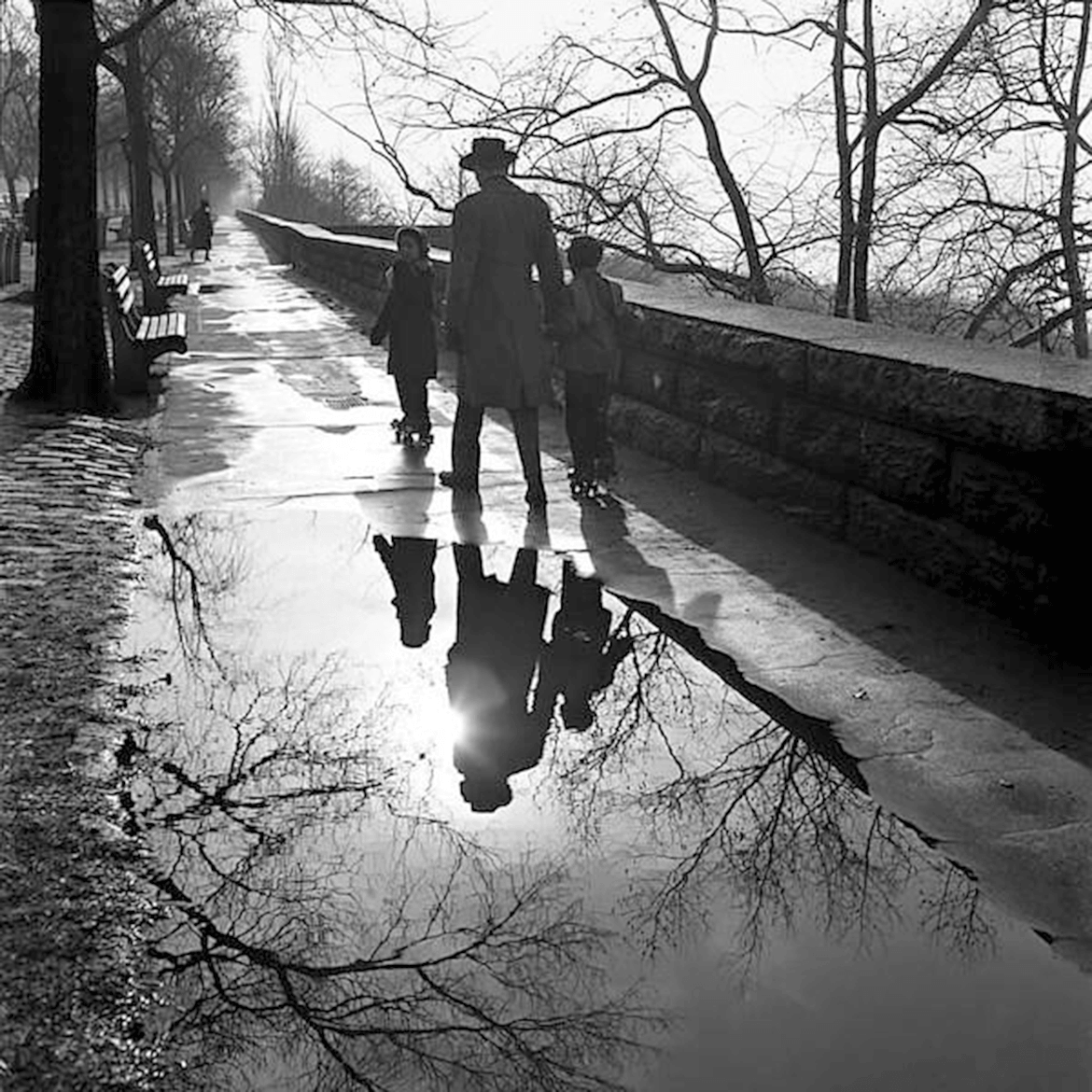
Vivian Maier did not need grand settings to create memorable images. Her territory was the street: pavements, shop windows, parks, crossroads, anonymous faces, children playing, people waiting, shadows, reflections and small gestures that many would have overlooked.
Therein lies one of the great lessons of her work: photography does not begin when the shutter is pressed, but long before. It begins with the ability to observe. In knowing how to spot a scene before it disappears. In understanding that the everyday can also possess visual power, emotion and narrative.
The camera most closely associated with him was the Rolleiflex, a medium-format camera held at chest height that allows for a more discreet approach to photography. This way of working fits very well with the feeling conveyed by many of his images: intimacy, calm and an almost invisible presence.
The value of photographing without making a sound
In an age when photographers are surrounded by social media, metrics, constant posts and the need for visibility, Vivian Maier represents almost the opposite. She photographed for years without showing her work, without seeking applause and without being part of the usual art circuits.
That doesn’t mean that a professional photographer today should hide their work. On the contrary: if you want to make a living from photography, showcasing your work effectively is essential. But her story does remind us of something important: before thinking about how to publish an image, we must think about what we are telling through it.
A powerful photograph does not depend solely on the equipment, the editing or the location. It depends on the intention. On patience. On the way the photographer engages with what is before them.
A discovery that changed the history of street photography
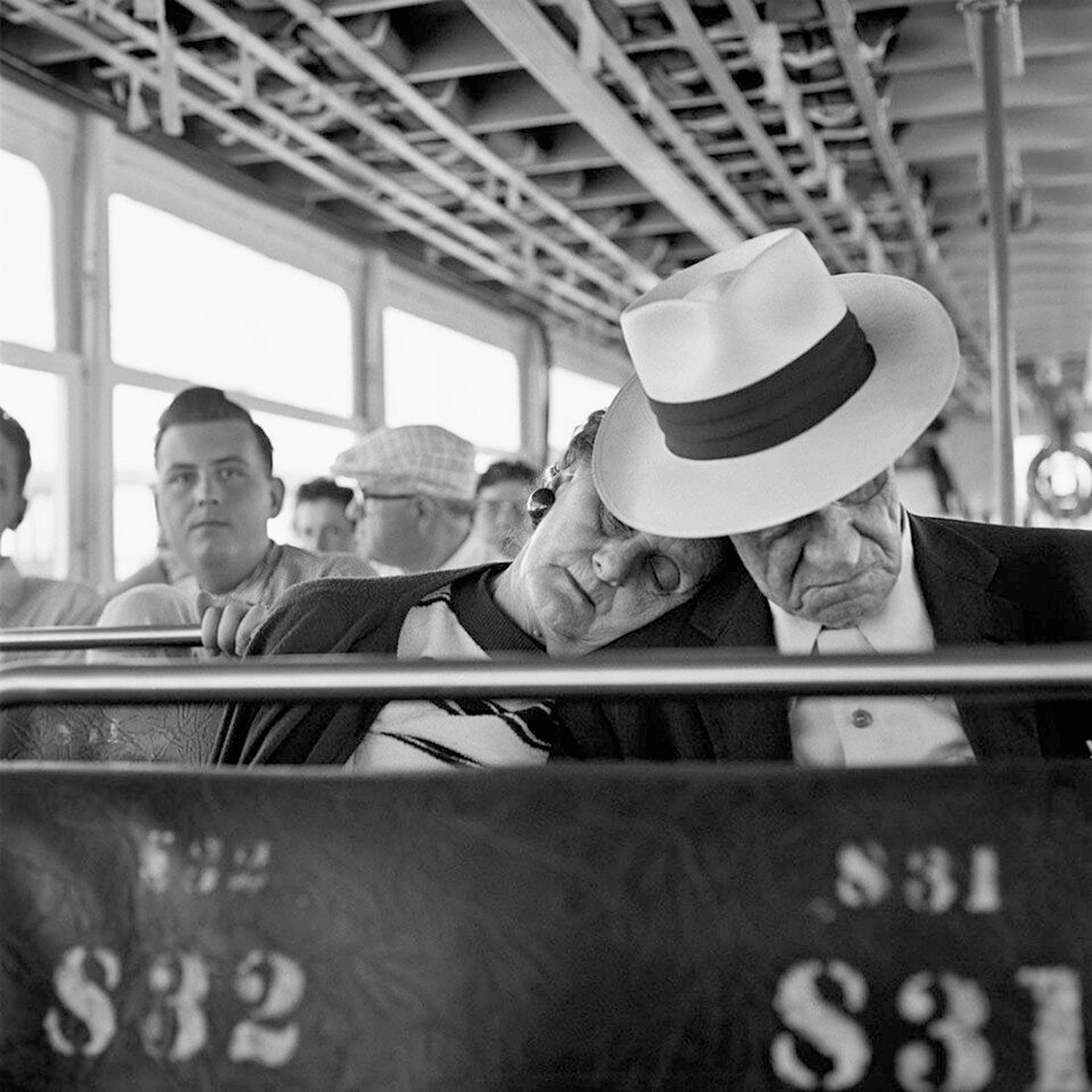
Vivian Maier’s recognition came unexpectedly. In 2007, part of her archive was acquired at auction by John Maloof, who later began investigating who this unknown photographer was. Following this discovery, her images began to circulate, exhibitions were organised, books were published, and the documentary *Finding Vivian Maier* helped bring her to the world’s attention.
The paradox is clear: a photographer who scarcely exhibited her work during her lifetime ended up becoming an international icon of street photography. Her case also raises interesting questions about authorship, privacy, the curation of another person’s archive, and the way an artist’s legacy is constructed.
But, beyond the mystery surrounding her life, what remains is the power of her images.
What can a contemporary photographer learn from Vivian Maier
For any professional photographer, Vivian Maier’s work is an invitation to return to the essentials.
To observe more and shoot less.
To pay attention to small gestures.
To train the eye even when there is no planned shoot.
To understand that a good photograph can emerge in a seemingly ordinary moment.
To develop a voice of one’s own without copying formulas.
And also to look after the archive. Because a significant part of its history has to do precisely with everything that was kept: negatives, rolls of film, films and materials that lay hidden for years. Today, in the midst of the digital age, that lesson remains very valid. Organising, protecting and presenting photographic work well is part of the craft.
The street as a school for any photographer
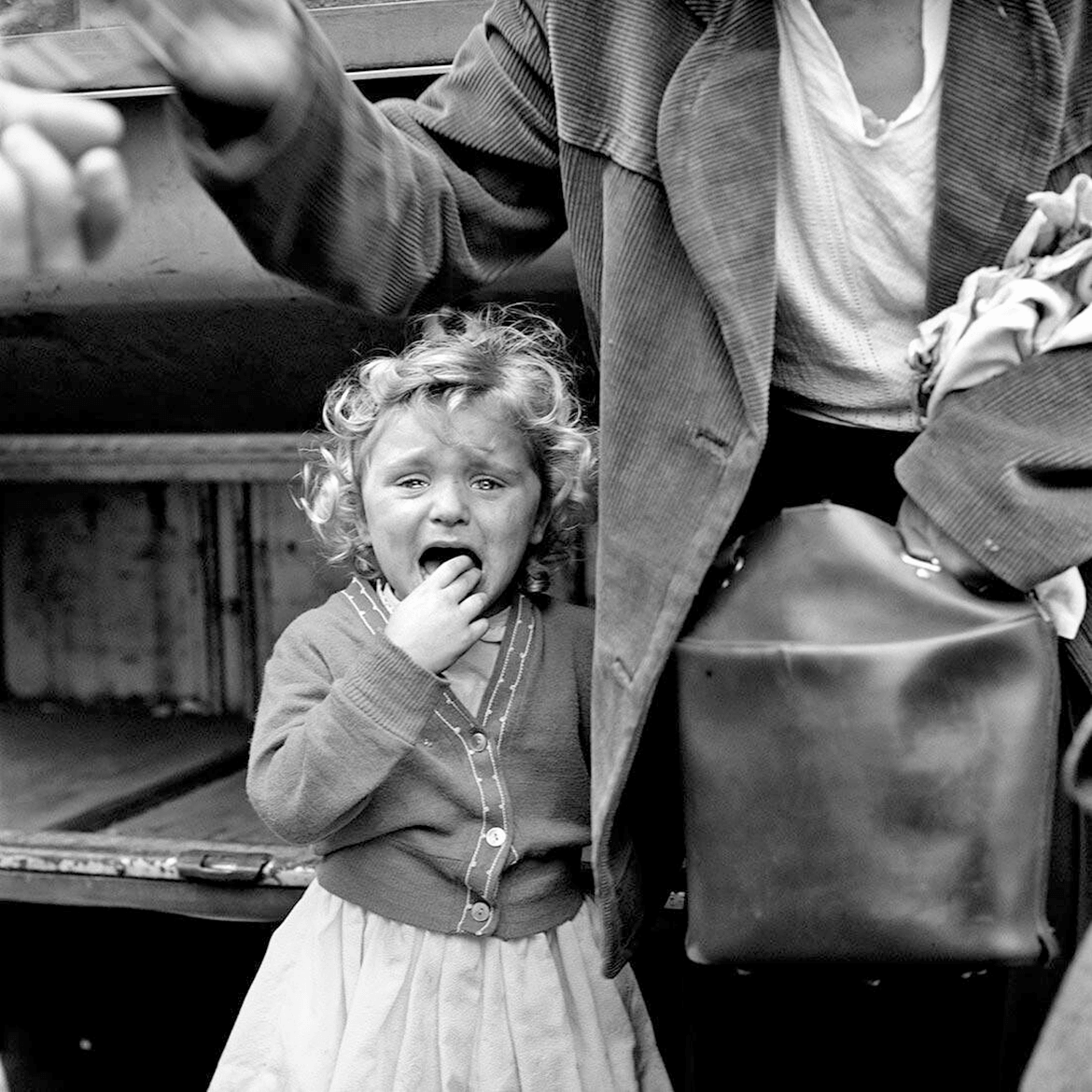
Although Vivian Maier is primarily associated with street photography, her legacy extends beyond it. Her images can inspire wedding, family, portrait, event and social documentary photographers, because they speak to something common to all these specialisms: the ability to anticipate the moment.
At a wedding, a family shoot or an urban reportage, the best photographs often emerge between one pose and the next. In a sideways glance. In a hand resting on something. In a child who is distracted. In a scene that wasn’t planned.
That sort of image isn’t achieved through technique alone. It’s achieved by being present.
Vivian Maier and the importance of leaving a mark
Vivian Maier’s story reminds us that photography has a silent power. It can document an era, reveal a city, rescue anonymous figures and turn the everyday into visual memory.
It also reminds us that talent needs to be preserved, showcased and shared. Today, photographers have many more tools to look after their work, create a professional portfolio, deliver their reports securely and build an archive accessible to their clients and for the future.
At Arcadina, we believe that every photographer has a unique perspective that deserves to be seen. Vivian Maier did not seek the limelight, but her work eventually found its place. And perhaps that is one of the most beautiful ideas her story leaves us with: when a perspective is authentic, sooner or later it speaks for itself.
Article inspired by the publication “Vivian Maier, la calle tranquila” (Vivian Maier, the quiet street), by Antonio Perandrés, photographer and friend of Arcadina.
Arcadina goes with you
Fulfil your dreams and develop your career with us. We offer you to try our web service free for 30 days. And with no commitment of permanence.
Arcadina is much more than a website, it is business solutions for photographers.
If you have any queries, our Customer Service Team is always ready to help you 24 hours a day, 7 days a week. We listen to you.
Free trial · No card · No lock-in
Build your photography business online
Sales with no commission · Everything in one plan · 30-day free trial, no card