Sports photography: 15 tips to capture the action
To take a sports photograph that conveys power, emotion and movement, having good equipment alone is not enough. The key lies in anticipating what is about to happen, understanding the rhythm of each discipline and reacting quickly when the action reaches its peak. Every sport has its own timing, movements and decisive moments. In some cases, the most powerful image comes from a start, a jump, a fall, a finish line or an unexpected celebration. That’s why having a good understanding of the competition you’re photographing will allow you to position yourself in the right spot, choose the best camera settings and be ready when the scene that gives meaning to the whole report unfolds.
Action photography demands concentration, technique and keen observation skills. The best sports photos usually happen in a matter of seconds, and missing that moment can mean missing out on the most important image of the day. That’s why working on shutter speed, focus, composition and reading movement will be essential to achieving more professional results.
In this article, we share a series of photographic coverage tips that will help you improve your images, better prepare for each session and more accurately capture the energy of any competition or sporting event.
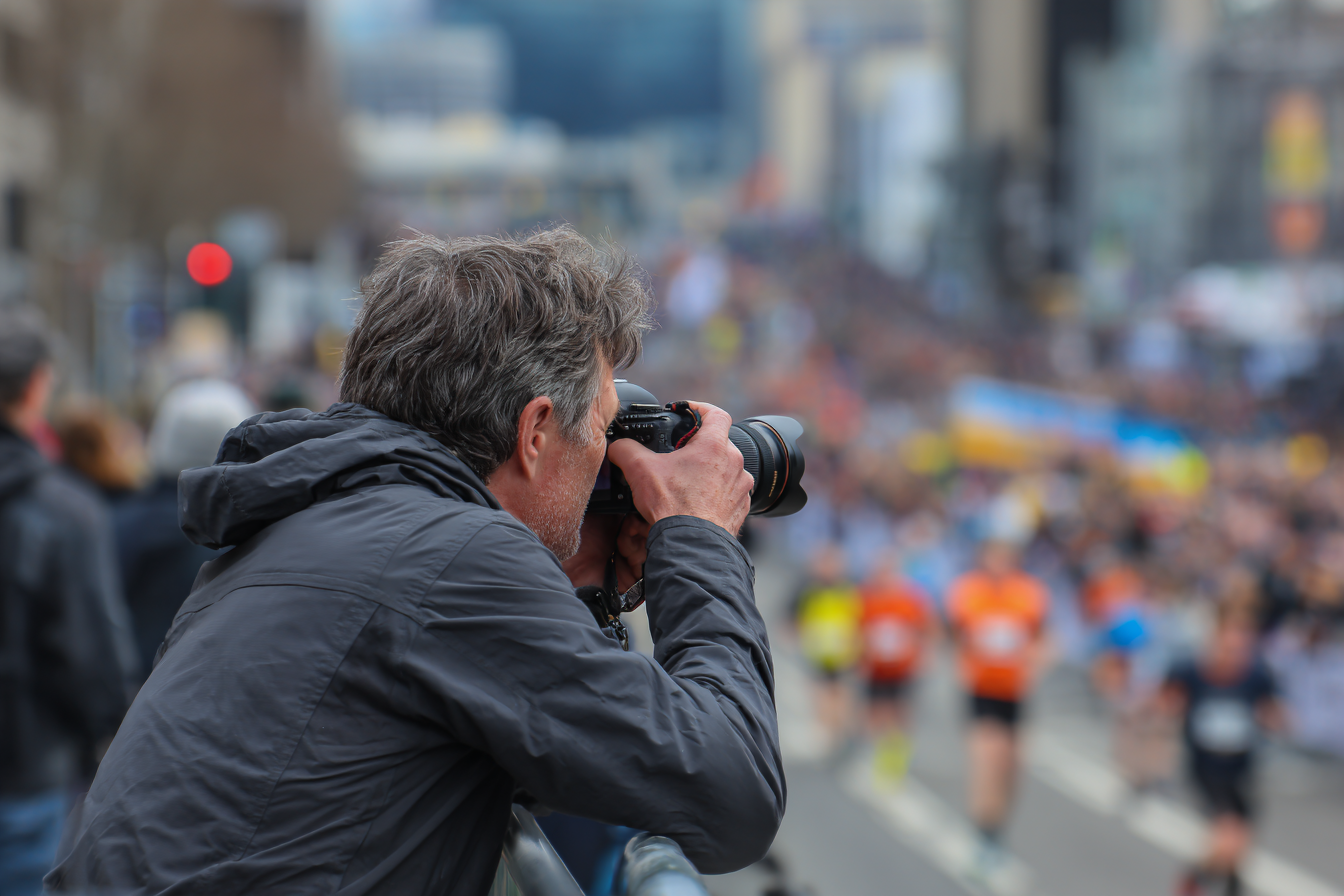
In sports photography, the difference lies in anticipating movement, acting decisively and viewing the action creatively.
Tips for improving your sports photography and capturing the action
To achieve good results in sports photography, preparation begins long before the competition starts. It’s best not to leave anything to chance: checking your kit, charging batteries, cleaning lenses, preparing memory cards and choosing the right equipment for the type of event can make a huge difference to the final result.
Before you set off, analyse the event’s characteristics carefully. Covering an indoor competition is not the same as an outdoor event, an individual sport is different from a team sport, and a discipline with predictable movements differs from one full of changes in pace. These variables will help you decide which camera, lenses and accessories you need to take, as well as the most suitable camera settings to work safely.
It is also advisable to familiarise yourself with the venue before you start. Arriving early will allow you to find good vantage points, spot any obstacles, assess the lighting and plan where you can best capture the action. In outdoor sports photography, this planning is even more crucial, as the position of the sun, the background or your distance from the athletes can greatly influence your images.
Also make the most of the minutes leading up to the event to observe the atmosphere. A ball on the grass, a bike ready to go, trainers by the track or an empty stand can provide context and enrich the visual narrative of your report.
Once the competition begins, keep your focus on the main action, but don’t lose sight of what’s happening around you. The crowd, the coaches, gestures of concentration or spontaneous celebrations can make for sports photos with great narrative power.
Prepare each sports photography assignment in advance
In sports photography, technique is important, but the ability to react is even more so. The best images usually appear without warning: a gesture of effort, a fall, a look of concentration, a jump or a celebration that lasts barely a few seconds. That’s why, as well as knowing the sport you’re covering, you need to move with ease, choose your position carefully and be ready to shoot at exactly the right moment.
Conditions won’t always be comfortable. It might be cold, hot, raining or the lighting might be tricky, but the shoot doesn’t stop. At many competitions, you’ll have to move quickly, carry your kit for hours, walk long distances or seek out different vantage points to get action shots with greater visual impact. That physical aspect is also part of the job.
The key is to observe everything that is happening before it happens. Anticipating a move, following an athlete’s movement, foreseeing a reaction or sensing where the decisive moment might occur will help you capture more natural and expressive images.
In any photographic specialism, you need to pay attention to detail, but in sports photography, that attention must be accompanied by speed, precision and consistency. Only when you combine good sports coverage with a trained eye can you transform fleeting moments into images capable of conveying all the energy of the competition.
15 sports photography tips to get you off to a good start
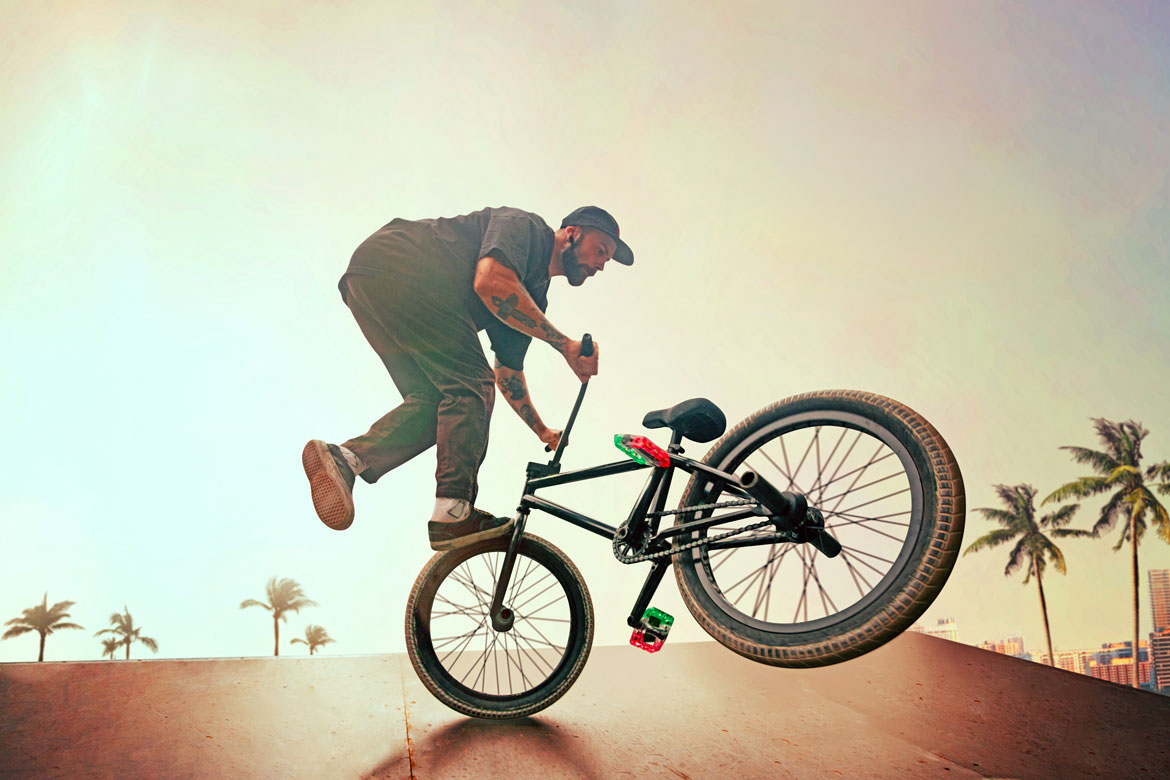
In sports photography, every second counts. A start, a jump, a save, a fall or a celebration can become the most powerful image in the report, but they can also vanish before you have time to react. That’s why arriving at a competition fully prepared is essential: equipment checked, batteries charged, memory cards ready, location scouted and a clear idea of the moments that could define the day.
Once you have experience in sports photography, many of these steps become part of your routine. You know what kit to bring, where to position yourself, how to anticipate a move, and which camera settings can help depending on the light, the speed of the action, or the distance from the athletes.
But if you’re just starting out in this speciality, it’s best to proceed methodically. competition photography demands practice, patience and the ability to learn from every event. It’s not just about taking lots of pictures, but about observing more closely, moving judiciously and understanding what makes a scene convey emotion, effort or intensity.
Below, we share a series of recommendations designed to help you take your first steps with greater confidence, avoid common mistakes and gradually improve your sports photos. Practical tips on preparation, technique, composition and attitude that will allow you to approach every competition with greater confidence.
1# Try out different sports before defining your photographic style
When you’re starting out in sports photo report,one of the best ways to learn is to cover a wide variety of events. Each discipline will force you to deal with new situations: changing light conditions, different speeds, varying distances, confined spaces, uneven terrain or movements that are hard to predict. Photographing a competition in a sports hall is not the same as working at an outdoor race, a cycling event, a team match or a mountain activity.
This variety will help you gain confidence, improve your reaction time and better understand what each type of assignment requires. It will also allow you to discover which sports suit you best, in which environments you feel most comfortable and what visual style you want to develop over time.
Before specialising, it’s worth trying things out, making mistakes, observing and comparing results. That experience will give you a broader view of sports photography and help you make better decisions when the time comes to focus on a specific discipline.
To find new opportunities, keep an eye on the activities of clubs, federations, sports associations, event organisers, local athletes and specialist media. Following their calendars and publications will allow you to anticipate upcoming competitions, better prepare your schedule and arrive in good time to plan each assignment.
The more scenarios you explore, the more resources you’ll have to deal with unexpected situations and the more confident you’ll become behind the camera.
2# Understand the rules and rhythm of the sport before photographing it
You don’t need to limit yourself to a single discipline to progress in sports photography, but it is important to understand each sport thoroughly before covering it. Every competition has its own rules, timing, high-intensity moments and characteristic movements. Knowing these will help you anticipate events better and be ready when a decisive moment arises.
Before attending an event, spend time observing how that sport unfolds. Watch videos of previous competitions, study the most common movements, identify where key moments usually occur, and analyse from which positions you could get the best shots. This preparation will allow you to work with greater confidence and reduce the need for improvisation during the shoot.
Understanding the rhythm of the sport also has a direct influence on technique. Not all movements require the same shutter speed, the same type of focus or the same working distance. In some cases you’ll need to freeze a very fast action; in others, seek a more expressive image, make the most of a pause or follow the movement to convey dynamism.
The better you understand what is happening in front of the camera, the easier it will be to tell the full story of the competition. action photography is not just about reacting, but about anticipating, positioning yourself with intent and knowing when it is worth taking the shot. It is this reading of the game, the event or the course that will allow you to capture images with greater power, emotion and visual impact.
3# Control the ISO to gain light without losing quality in your sports photos
ISO determines the camera sensor’s sensitivity to light. In sports photography, this setting can be crucial when working in indoor venues, poorly lit pitches, evening competitions, or events where you cannot reduce the shutter speed too much because you need to freeze the action.
Increasing the ISO allows you to gain brightness without relying so heavily on slow shutter speeds or very wide apertures. This is particularly useful when you want to maintain a fast shutter speed to capture the action sharply whilst, at the same time, keeping an aperture that gives you sufficient depth of field. Although ISO does not directly alter the depth of field, it does give you more freedom to choose other camera settings with greater control.
The downside is that the higher you set this value, the greater the chance of digital noise appearing in the image. That’s why the key is to find a balance: use an ISO high enough to achieve the correct exposure, but without reaching a point where the loss of quality becomes too obvious.
At first, it may seem safer to always keep the ISO low, but in many sports photography situations this can limit you. Experimenting with different values will help you understand your camera’s behaviour better and decide how high you can go without compromising the final result too much.
Mastering ISO will allow you to adapt better to changes in light, work with greater confidence indoors, and achieve sharpercompetition shots even in challenging conditions.
4# Look for low angles to give your sports photos more impact
Changing your viewpoint can completely transform an image. In sports photography, shooting from low angles helps to give athletes a greater presence, emphasise movement and create a sense of power that isn’t always achieved from the usual eye-level height.
A monopod can be very useful for working with heavy lenses and maintaining some stability during the competition. Furthermore, if your camera has a tilting screen, you can try out low-angle shots more comfortably without losing sight of the action. This type of perspective works particularly well for starts, jumps, races, celebrations or moments when the athlete is moving towards the camera.
Before the event begins, spend a few minutes observing the terrain and doing some test shots. Check what backgrounds will appear behind the subjects, whether there are barriers, signs, people or other elements that might be distracting, and from which positions you can achieve a cleaner composition. A good low angle should not only be eye-catching, but should also help direct the viewer’s gaze towards the main action.
Pay attention to the horizon and the lines of the surroundings. In some sports photos, a slight tilt can add dynamism, but if it’s not intentional, it can give a sense of carelessness or imbalance. The key is to make a deliberate choice: keep the image stable when the scene calls for it, or tilt the frame only when it adds energy and emphasises the movement.
5# Scout the location before you start shooting
Getting to know the venue before you start shooting will help you make better decisions during the competition. Whenever possible, visit the venue in advance to study the light, distances, backgrounds and the areas from which you’ll be able to work. This information will allow you to better prepare your kit, choose the right lenses and avoid having to improvise once the action is underway.
In indoor venues, pay particular attention to the lighting. Not all halls, tracks or sports centres have the same light intensity, and this will determine your camera settings, ISO, shutter speed and aperture. It is also worth checking from which points photography is permitted, whether there are any visual obstructions, and what frames you can achieve from each position.
At outdoor competitions, analysing the terrain becomes even more important. Observe the sun’s position, shadows, changes in elevation, bends, straights, jump zones, or areas where there may be a higher concentration of athletes. If it’s a long-distance event, plan how you’ll move to cover different moments without arriving late at key points.
The start, certain intermediate sections and the finish line often offer very powerful scenes, but you won’t always be able to be in every spot. That’s why it’s important to decide in advance which moments have the greatest visual impact and from where you can best capture them.
A good understanding of the scene will allow you to work with greater confidence, make better use of the available light and achieve more varied, clean and expressive sports photo work.
6# Arrive early to choose the best position
Arriving early at a competition can completely change the outcome of your coverage. It’s not just about avoiding a rush, but about having time to scout the area, check the light, test your framing and choose a position that allows you to follow the action comfortably.
In sports photography, the best spots tend to be snapped up quickly, especially at events where several professionals are covering the same competition. Arriving early will help you position yourself strategically, assess potential alternatives and set up your equipment before the competition begins. This will allow you to work more calmly and react more effectively when the decisive moment arrives.
That time beforehand is also a great opportunity to capture what happens before the action begins. Many athletes arrive early to warm up, focus, check their equipment or talk to their coaches and teammates. These moments can yield very natural images: looks of tension, gestures of camaraderie, personal routines or details that convey the atmosphere of the event.
These supplementary photographs provide context and make the report more complete. The competition doesn’t begin solely with the first move; it is also built up in the minutes leading up to it, when the participants prepare themselves physically and mentally.
If you know how to capture those moments, your sports action photography will not only show the action, but also the emotion, the anticipation and the atmosphere surrounding each event.
7# Keep up to date to discover new sporting opportunities
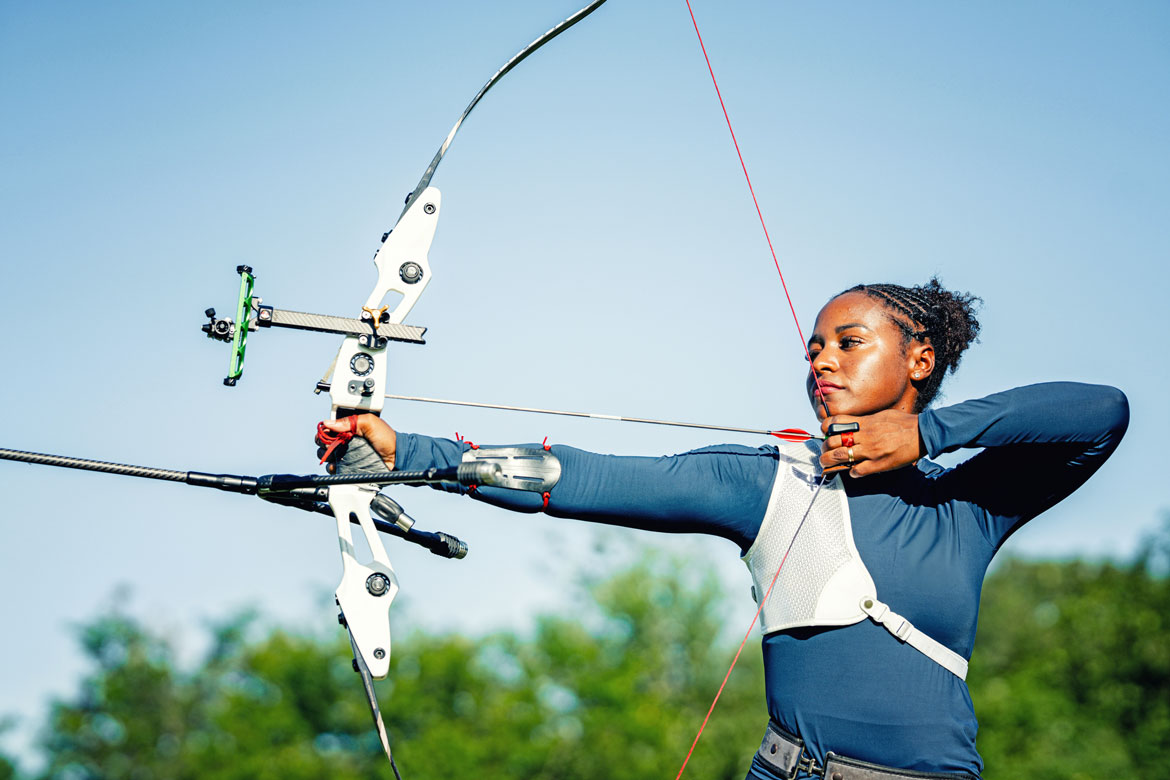
To progress in sports photography, it’s not enough to just attend the competitions you already know. It’s also important to stay aware of what’s happening in your local area: new events, fun runs, local tournaments, races, school championships, amateur leagues or competitions organised by clubs and federations.
Even if you already have some contacts, being part of sports-related communities can help you discover opportunities that would otherwise go unnoticed. Local groups, specialist forums, associations, club social media pages, sports calendars and organisers’ profiles can become a constant source of information for planning your next photo reports.
Participating in these spaces will also allow you to gain a better understanding of the needs of each discipline, resolve queries, share experiences and learn from other professionals working in similar environments. Sometimes, a conversation in a group or following a post can tip you off to an interesting competition or help you better prepare for future coverage.
Furthermore, maintaining an active network will give you greater visibility within the sector. It’s not just about being present, but about adding value, showcasing your work thoughtfully, and building trusting relationships with athletes, clubs and organisers.
The better informed you are, the easier it will be to organise your schedule, plan ahead for important events and find new opportunities to practise, improve your technique and broaden your experience in sports photography.
8# Shoot in burst mode so you don’t miss the decisive moment
During a competition, it’s not a good idea to stop and check every image on the camera screen. In sports photo assignment,looking away for a few seconds can mean missing a decisive moment: a close finish, a jump, a fall, a save or a spontaneous celebration. That’s why, whilst the event is underway, the most important thing is to stay focused and keep your eyes on what’s happening in front of you.
Burst mode can be a great ally when working with fast-moving subjects. It allows you to capture a complete sequence and then choose the moment where the gesture, posture and composition work best. It’s not about shooting indiscriminately, but about anticipating the action and using burst mode during the most intense moments.
It’s also advisable to keep shooting even when you think you’ve already got a good shot. Often, the most powerful image comes just after: an unexpected reaction, a look of effort, a gesture of relief, or the emotion of those supporting the athlete.
That said, shooting a lot means working methodically. Bring enough memory cards, check the available capacity before you start, and organise your files properly after the event to make selection and editing easier.
In sports photography, consistency and attention are just as important as technique. The more opportunities you give yourself during the competition, the better your chances of capturing sharp, expressive sports photos that capture what happened at every key moment.
9# Broaden your focus so you don’t miss any details during the action
In this type of photography,it’s not enough to focus solely on the athlete in front of you. Often, the most interesting image emerges at the edge of the frame, in an unexpected reaction, in a coach’s gesture, or in the crowd’s response to a decisive play. That’s why it’s important to train yourself to have a wide-ranging gaze, capable of following the main action without losing sight of everything happening around it.
With practice, you’ll learn to anticipate movements better and read the scene more fully. Whilst keeping your focus on the main subject, it’s worth paying attention to the surroundings: who might enter the frame, which elements might reinforce the story, and which details might add emotion or context to the image.
This observational skill is particularly useful in team sports, races, competitions with spectators, or events where several actions take place simultaneously. A celebration in the background, a tense look before the start, or a teammate’s reaction can add as much narrative value as the sporting action itself.
Training this visual awareness will help you create more complete and expressive sports photos. It’s not just about capturing the most spectacular moment, but about better conveying what is happening: the energy of the event, the effort of the participants, the pressure of the competition, and the atmosphere surrounding each scene.
The more you learn to observe the whole picture, the more resources you’ll have to turn an action shot into a sports photograph with real narrative power.
10# Choose the right lens for each type of sport
In action photography, choosing the right lens is not a minor detail: it directly shapes the kind of images you can capture, your freedom of movement and the distance at which you can work relative to the action. There is no single lens that works for every sport — each discipline has its own specific demands.
For most outdoor disciplines — athletics, cycling, football, triathlon or road races — telephoto lenses with focal lengths between 200 and 400 mm and an aperture of f/2.8 or f/4 are the most versatile tools. They allow you to get close to the athlete whilst keeping a safe distance, achieve a blurred background that isolates the subject, and work with a fast shutter speed even in difficult lighting conditions.
The classic 70-200 mm f/2.8 is probably the most widely used lens in professional sports photography. It strikes a good balance between size, brightness and versatility, and is suited to both tracking fast-moving subjects and working in indoor environments such as sports halls or swimming pools. If you photograph water sports, consider using waterproof housing to protect your equipment from splashes.
Finally, always check that your lens has optical image stabilisation. During long sessions or when working with heavy telephoto lenses, this feature reduces blur caused by camera shake and helps you maintain more consistent image quality, particularly in situations where using a tripod or monopod is not possible.
11# Get your kit ready so you can work comfortably throughout the competition
In many competitions, sports photography involves spending several hours in the same spot or constantly moving from one place to another. That’s why, as well as preparing your camera and lenses, it’s worth thinking about everything that will help you work comfortably throughout the day.
A monopod can be a great help when using heavy telephoto lenses or when you need to keep the camera ready for long periods. It will help reduce strain on your arms, shoulders and back, whilst providing stability without restricting your freedom of movement too much. It is also advisable to carry a comfortable rucksack, a camera belt or a shoulder bag that allows you to quickly access batteries, memory cards, lenses, cleaning cloths or small accessories.
Before you set off, check that you have enough spare equipment. In a long competition, running out of battery or storage space could mean you miss important moments. It can also be useful to carry a notebook or use your mobile phone to note down locations, race numbers, timetables or relevant details of the event.
If you’re working outdoors, don’t forget to look after your own stamina. Water, some energy food, sun cream, a cap, comfortable clothing, suitable footwear and a rain cover can make all the difference when conditions change or the day goes on longer than expected.
Being well-equipped not only improves your comfort, it also allows you to focus on what matters: observing the action, moving nimbly and photographic coverage with greater confidence.
12# Try new techniques to give your sports photos more personality
Once you’ve mastered the basics of sports photography, it’s time to take it a step further and develop your own style. To ensure your images don’t look like everyone else’s, you need to try different approaches, observe the action from other angles and dare to step outside the most obvious frame.
You can experiment with low angles, high angles, tight frames, compositions from the stands, or shots where the surroundings take centre stage. You can also play with depth of field to isolate the athlete from the background, use panning to convey speed, or make use of shadows, reflections and lines in the scene to creat , visually striking sports photos.
Creativity doesn’t mean shooting at random. The better you control your camera settings, the more freedom you’ll have to experiment. Shutter speed, aperture and ISO will allow you to decide whether you want to freeze the action, show movement, separate the subject from the background, or work with available light in a more expressive way.
What’s more, not everything has to focus solely on the main play. Details of the kit, hands, mud, sweat, a look of concentration or the crowd’s reaction can provide context and enrich the reportage.
In action shots,technique helps you capture the scene, but it is creativity that can turn a decent image into a photograph with personality. Practise, review your results and learn from every competition to gradually build a recognisable style.
13# Learn from the masters to improve your eye for sports
Once you have some experience in sports photography, observing the work of other professionals can help you develop your skills more effectively. Analysing good images allows you to discover new ways of composing, using light, choosing the exact moment, or conveying the excitement of a competition without always relying on the most obvious action.
The key is to look with intention. It’s not about copying compositions, but about understanding why a photograph works: where the subject is positioned, what role the background plays, how speed is conveyed, which gesture adds power to the image, or how visual tension is built.
It can also be very useful to seek inspiration outside of sport. Documentary photography can help you better capture the atmosphere of an event; portraiture, to capture the personality of the athletes; street photography, to react quickly to unexpected scenes; and architecture, to work better with lines, spaces and composition.
Follow portfolios, interviews, award-winning reports and specialist publications. Spend time studying the technical and creative decisions behind each image, and then try to apply those ideas to your own shoots.
Over time, you’ll incorporate techniques that suit your way of seeing. It’s this process of observation, practice and selection that will help you develop a recognisable style within sports coverage.
14# Take care with your first photo reports to earn the organisers’ trust
When you’re taking your first steps in sports photography, every event can become an opportunity to showcase your approach. That’s why, as well as preparing your report thoroughly, it’s worth nurturing your relationship with the people organising the competition.
Before the event begins, if the situation allows and you do not disrupt proceedings, introduce yourself briefly and professionally. Explain who you are, what kind of coverage you provide, and show a simple portfolio, whether from your website, an online gallery, or a selection of images on your mobile or tablet. It is not about prolonging the conversation, but about conveying confidence from the very first contact.
Organisers tend to value those who arrive prepared, respect the event’s rules and understand the competition’s needs. A serious, punctual and cooperative attitude can help you gain better access, find out which areas are permitted for photography and receive useful information on timetables, routes or key moments.
It is also important to deliver on your promises. If you agree to send a selection of photos via a private client gallery, meet certain deadlines or share images for the event’s communications, do so in an organised and professional manner. That reliability can carry as much weight as the quality of your images.
Over time, these relationships can open the door to new assignments and recommendations. In sports photography, visual talent is essential, but trust, discretion and the ability to work well with organisers, clubs and participants also help build a more solid career.
15# Practise consistently to improve your sports photography
Competition photography is learnt through practice, but also through the habit of analysis. You can learn the theory, master camera settings and study the technique, but only by facing real competitions and systematically reviewing your images will you develop the speed, intuition and confidence that this specialism demands.
Every event will test you in a different way. There will be changes in light, unexpected movements, focus errors, framing that doesn’t work and moments that slip away in a matter of seconds. All of that is part of the learning process. The important thing is to review your images critically afterwards, identify what you could have done better and apply those lessons to the next session.
Consistency will help you anticipate the action better, recognise movement patterns and decide more quickly where to position yourself or when to shoot. Little by little, you’ll start to identify which images convey the most emotion, which compositions work in each sport and which technical techniques allow you to handle tricky situations.
It’s also a good idea to set aside time to experiment. Try out different shutter speeds, change your angle, work with different lenses and look for new ways to capture the action at the competition. Practice not only improves your technique; it also helps you develop a more personal style.
In sports photography, every assignment is an opportunity to refine your style, gain experience and get a little closer to the images you want to achieve. The more you practise, the better prepared you’ll be to capture those fleeting moments that never come around again.
If you also want to take the step of monetising your work, Arcadina gives you an online store to sell your sports photos directly from your website, with no middlemen and full control over prices and licences.
Take your sports photography a step further
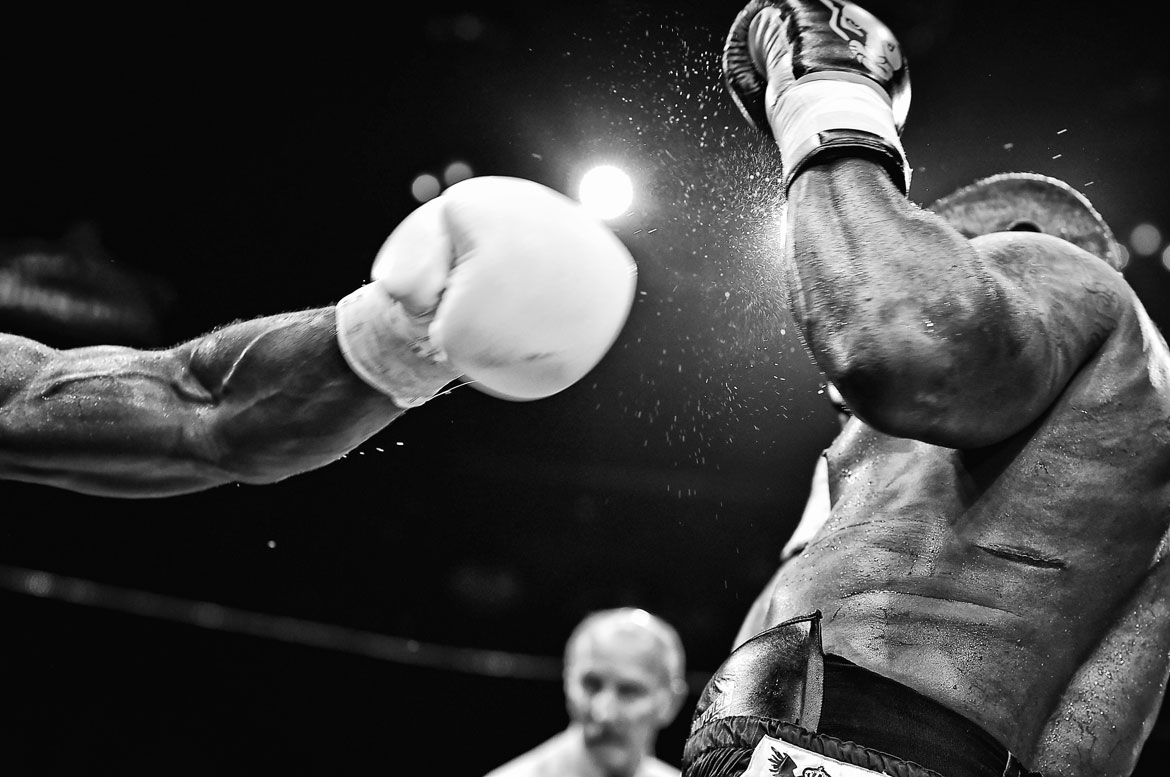
Improving in sports photo report requires practice, preparation and an increasingly trained eye. Knowing the sport you’re covering, studying the terrain, anticipating the action, paying attention to camera settings and reviewing your results afterwards will help you grow with every competition and capture images with greater impact, emotion and personality. But once you have a good sports photo report, it’s also important to showcase it and present it professionally.
With Arcadina, you can create a website to showcase your best sports photos, organise your portfolio by discipline, and present a more polished image to clubs, organisers, athletes, or sports-related brands.
What’s more, private client galleries let you share your photo reports conveniently and securely. From these galleries, your clients can view the images, select their favourites, download them or order printed products, depending on how you configure each gallery. You can also make use of the built-in artificial intelligence to make it easier to find photos within events with many participants — such as marathons or triathlons — through facial recognition or race number detection, without having to scroll through hundreds of images one by one.
And when the photo report is intended for a competition with many participants, public galleries can help you present the images in a more accessible and organised way, without complicating the delivery process.
If you want to keep improving your sports photography and have professional tools to showcase, deliver and manage your photo reports, with us you can try all our services for 30 days free of charge, with no obligation or minimum contract period.
And before we finish, here’s one last question for you: which action photography icon inspires you the most? We’d love to hear from you in the comments.
Arcadina goes with you
Fulfil your dreams and develop your career with us. We offer you to try our web service free for 30 days. And with no commitment of permanence.
Arcadina is much more than a website, it is business solutions for photographers. If you have any queries, our Customer Service Team is always ready to help you 24 hours a day, 7 days a week. We listen to you.
Free trial · No card · No lock-in
Build your photography business online
Sales with no commission · Everything in one plan · 30-day free trial, no card