Artistic photography: what it is, techniques, and how to develop your own project
Some photographs make you stop before you can explain why. It might be light transforming an ordinary place, a gesture that brings back a memory, or a sequence that raises a question. In artistic photography, these choices serve a purpose: using an image to express a personal point of view.
If you are building a body of work, you also need to consider how to present it. Websites for professional photographers let you bring your series together in a space of your own, provide context, and give people who are interested in your work a way to reach you.
In this guide, we will explore what defines an artistic photograph, how to choose your visual tools, and the steps you can take to develop a coherent project. Then we will look at presenting and selling your work. You will also meet five photographers from the Arcadina community and discover different approaches to developing and sharing a body of work.
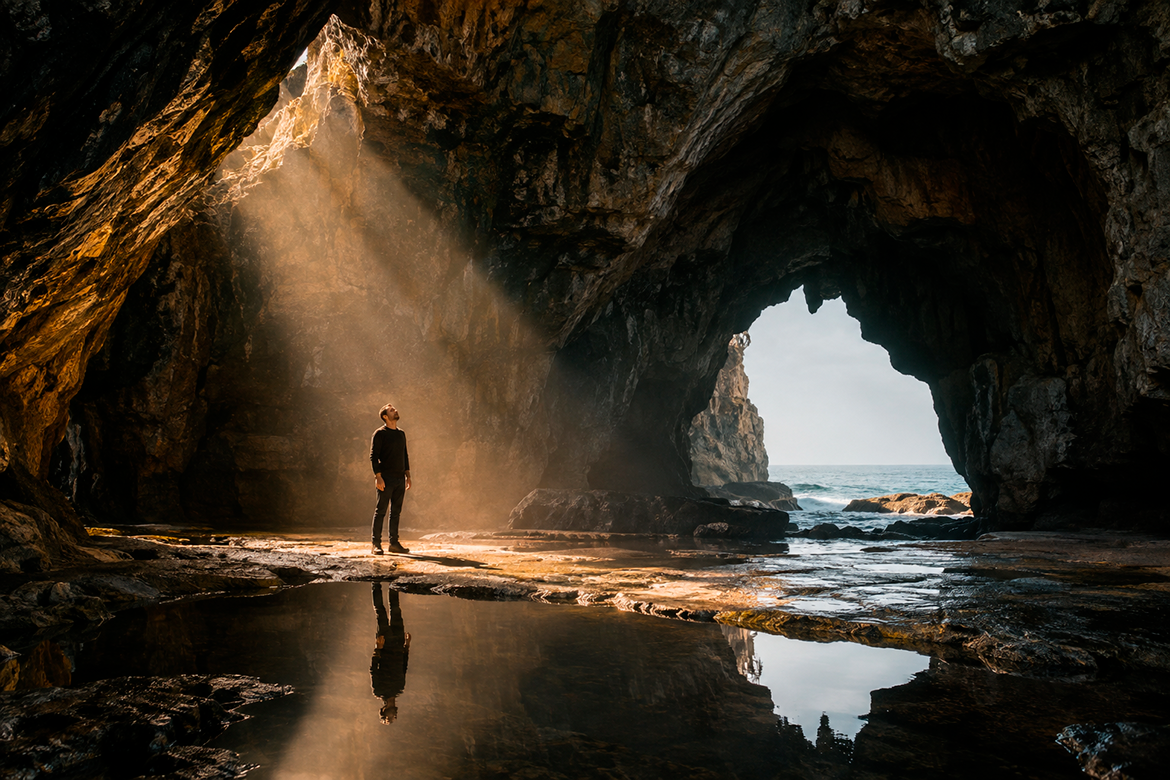
“An artistic photograph begins with what you want to communicate and takes shape through every choice you make to show it.”
What is artistic photography, and what defines it?
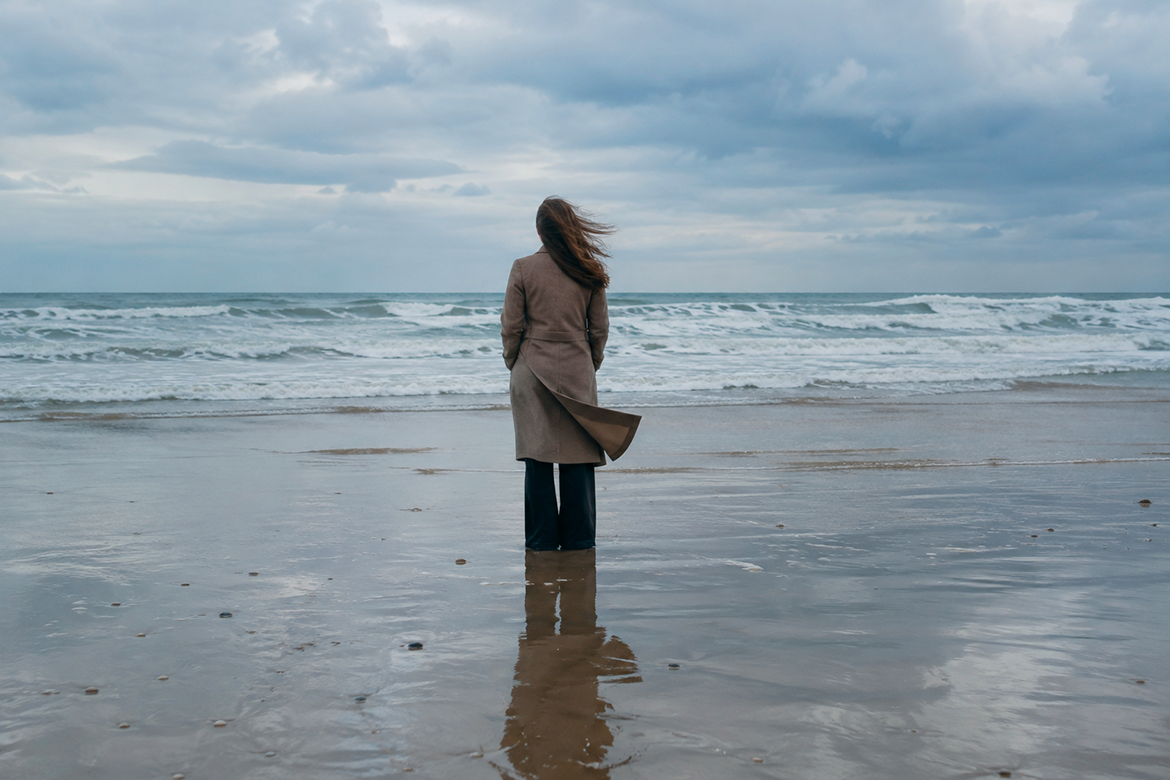
Artistic photography uses the photographic medium as a means of expression. The photographer makes choices about the subject, framing, light, timing, and presentation to explore an idea or create an experience for the viewer. The starting point may be a found scene, a staged setup, or a combination of the two.
There is no visual formula that automatically turns a photograph into art. Black and white, blur, and extensive editing are all possible tools, but their relevance depends on what they contribute to the work. A simple image can express a vision just as personal as an elaborate production.
Common characteristics of artistic photography include the photographer’s intention, the search for a distinctive visual language, and the relationship between form and content. Context matters, too: an image can take on a different meaning as part of a series, alongside a text, or when displayed at a particular size.
This does not prevent a commissioned portrait, documentary image, or landscape photograph from having an artistic dimension. These fields overlap. The distinction lies not only in what is photographed but also in the questions a project raises and the way its images relate to one another.
Before judging an effect or technique, ask yourself: what does this choice contribute to the photograph I want to create? That question will help you work with greater intention.
Artistic photography, creative photography, personal vision, and fine art
These terms are related, but they describe different aspects of photography. Creativity is the ability to explore possibilities and connections; it can be part of an advertising campaign or a personal body of work. Photography driven by a personal vision emphasizes a recognizable perspective and the development of an individual artistic voice.
Fine art is often used in the context of photographic work intended for exhibition or collecting, as well as to describe certain printing materials and finishes. Be clear about which meaning you intend: a carefully produced print does not, on its own, define the artistic concept of an image.
You can discover more ways to experiment with visual language in our creative photography selection. Here, we will focus on turning an intention into a project, beyond simply producing an eye-catching effect.
Artistic photography techniques that support your idea
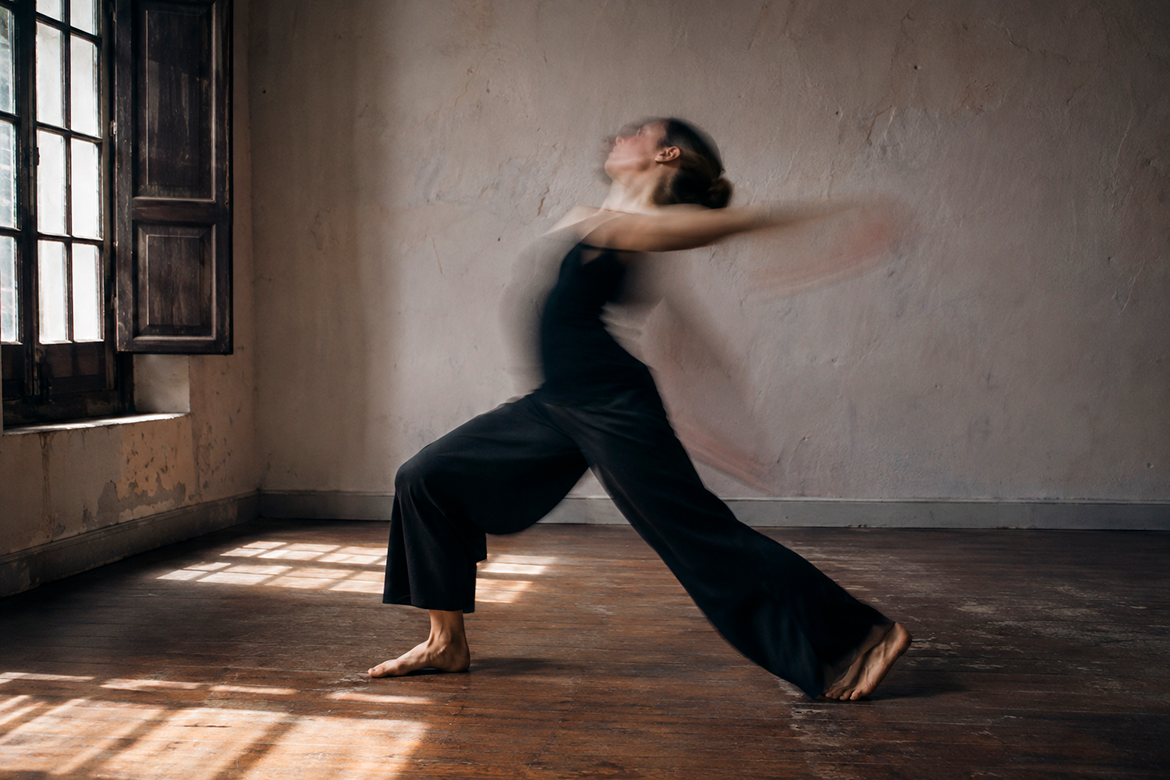
Artistic photography techniques give you choices about how an image will look. They become more useful when you know what you are seeking: unease, intimacy, unfamiliarity, stillness, or a particular relationship with space. Before adding techniques, try describing your project’s atmosphere in two or three words.
Then choose one variable to explore. You might photograph the same scene with light coming from different directions or repeat a composition while changing only the shutter speed. Comparing the results will help you understand how the image’s visual meaning changes.
You do not need to use every technique in a single series. Keeping some elements consistent helps the images speak to one another. Variation can come from the subject, the distance, or a detail that reappears in a different form.
These three areas offer a starting point for experimenting with a clear purpose.
Light, color, and black and white
The direction and hardness of light change how we perceive a face, object, or space. Side lighting can emphasize texture, while diffused light can soften contrast. Neither is inherently more artistic: choose what fits your intention.
Color lets you explore relationships, repetition, and contrast. For example, limiting a series to a particular palette can connect scenes photographed in different places. If you choose black and white, study the relationships between tones, shapes, and areas of light before converting the file.
Try this: photograph the same subject at different times of day and select the version whose atmosphere comes closest to your idea. Then explain what you chose and why. This exercise will help you recognize your own visual decisions.
Composition, movement, and abstraction
A different viewpoint can transform a familiar subject. Move in close enough to remove the sense of scale, work with a reflection, or leave an important element outside the frame. Composition also communicates through what you choose not to show.
To explore movement, try different shutter speeds. A long exposure can turn a figure into a trail, while a fast shutter speed lets you study a gesture. For abstraction, work with relationships between lines, shapes, shadows, and textures.
Compare your images without automatically choosing the most surprising one. Which best communicates what you are exploring? If they all rely on the same effect, try changing the technique while keeping the idea. This will help you see whether the project has substance beyond its appearance.
Staging and editing
When you stage a scene, clothing, objects, and space become part of the story. Start with a few elements and consider whether each has a role. Adding a recognizable symbol does not guarantee that the message will become clearer.
In editing, distinguish between adjusting an image and constructing a scene through compositing or manipulation. Both can be part of an artistic project, but explain your process when it affects how the work is interpreted.
Keep a reference version and compare your changes. Does the retouching strengthen your original intention, or does it cover up decisions better resolved during the shoot? A coherent series does not require exactly the same adjustments on every file: seek visual continuity while considering each photograph individually.
How to create artistic photography: develop your project step by step
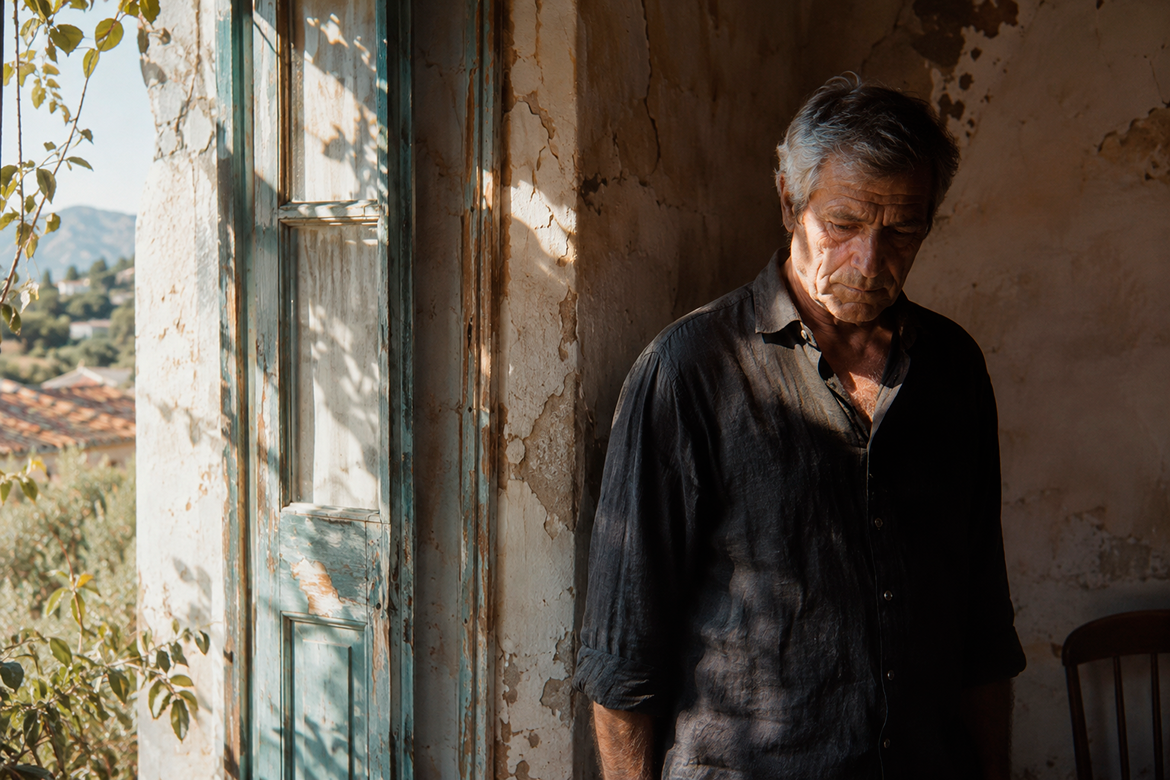
An artistic photography project begins to take shape when you define what you want to investigate. “Memory” might be a starting point, but “the objects my family kept after moving” gives you a more specific field to explore. You can observe it, photograph it, and return to it.
Set realistic conditions, too: places you can access, the time you have available, and materials you can use. Working within limits encourages deliberate choices and helps the project move forward.
Do not wait until your idea is fully formed to start shooting. Your first images may reveal a direction you had not anticipated. The important thing is to review what you are doing and distinguish a project’s evolution from a collection of unrelated photographs.
Define a question and plan your first experiments
Write down a question you want to explore and a brief explanation of your connection to it. You do not need a complicated statement: a few sentences will help you recognize which images belong in the project.
Gather references from different fields, such as photography, painting, literature, and personal experience. Identify what interests you about each one, and avoid copying its appearance without developing your own response.
Then plan a small first shoot. Choose a place, a subject, and two or three visual decisions. Note what works, what feels too obvious, and what deserves another attempt. If you work with people, share your proposal and agree on how everyone will participate before photographing them.
Select, sequence, and review your series
Set the images aside for a while, then return to them with your original question in mind. Select the photographs that contribute to the whole, even if that means leaving out an image you love on its own.
Try different sequences. One image might raise a question, another provide context, and a third create a pause. Review repetition, too: some repetition creates rhythm, while other instances add neither information nor a different experience.
Ask someone to look at the selection without an explanation and describe the connections they notice. The goal is not for them to guess your exact intention but for you to discover what the work is actually communicating.
Before considering it finished, decide whether you need additional photographs and prepare a short text that places the project in context. Selection and sequencing are also part of your authorship.
How to present artistic photography in a portfolio
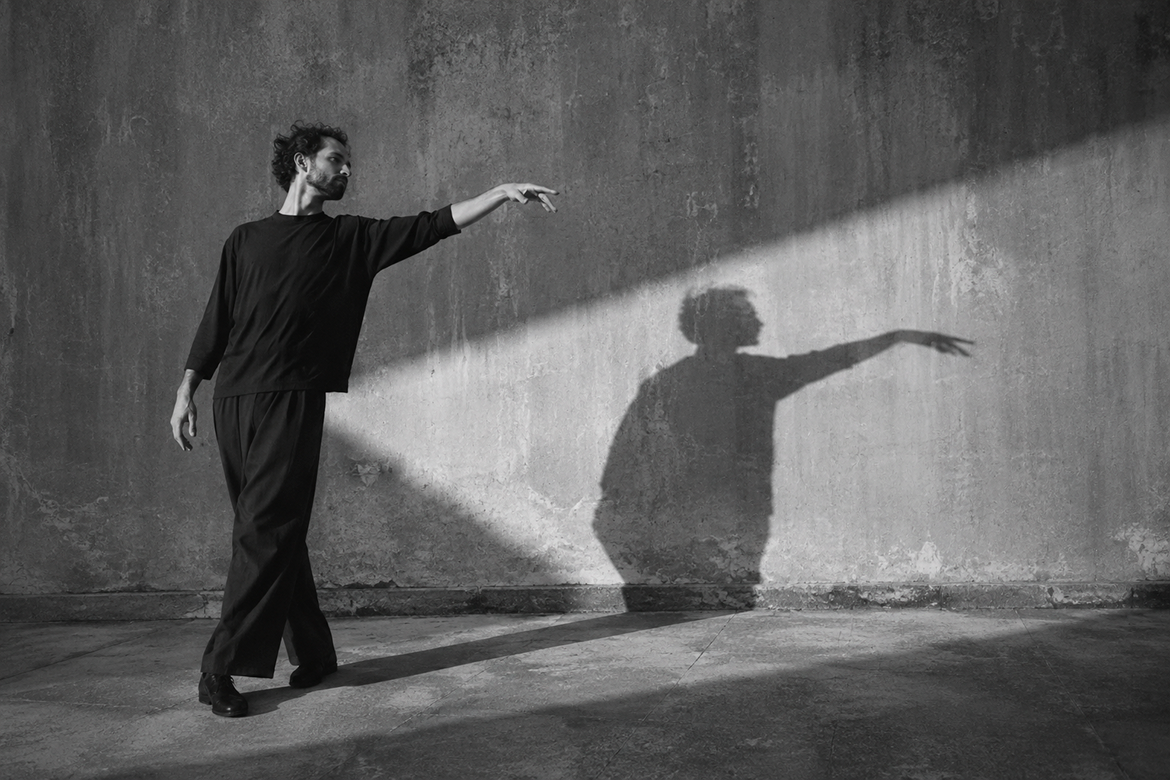
An artistic photography portfolio works best when visitors can understand each project without having to piece it together themselves. Group your photographs into series and avoid mixing personal work with commissions serving different goals, unless that relationship is part of your proposal.
Give each series a title and a brief introduction. You can explain how it began, when it was made, and what you are exploring. The text should offer a way into the work without describing every image or imposing a single interpretation.
Think about the viewing experience: which photograph welcomes visitors, how the sequence unfolds, and where it ends. Check the mobile display, image order, and ease of returning to other projects. Confusing navigation can interrupt a series you have carefully developed.
Include a useful biography and a visible way to contact you. If you mention exhibitions, publications, or awards, select the relevant ones and keep the information current.
Finally, revisit your portfolio as your work evolves. Not every stage of your career needs equal prominence. Our guide to showcasing the value of your photographs offers more ideas for refining your presentation and explaining what makes your approach distinctive.
How to approach selling your photographic work
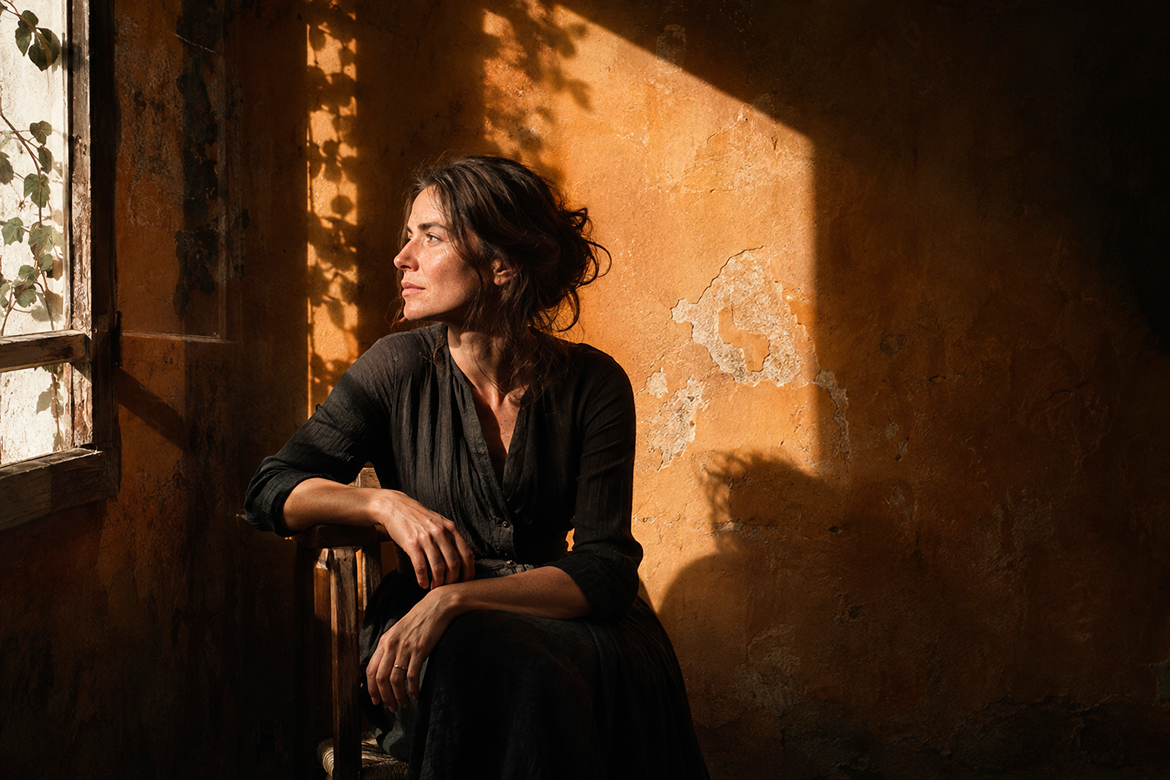
Selling artistic photography means paying attention to both the presentation of your series and the information a buyer needs. Someone viewing a photograph may want to know exactly what they are buying, how it will arrive, and which options are available.
Before publishing, define your products: a digital file, a print, or another presentation. For a print, specify the size, material, finish, and whether framing is included. If you choose limited editions, establish your own numbering and availability records before advertising them.
Calculate your price with production, preparation, packaging, shipping, and the work involved in each order in mind. If you work with a gallery or another intermediary, factor in the terms of that relationship as well. Avoid pricing solely by comparison with work that has different characteristics.
With Arcadina, you can sell photographs online as digital files and printed products. Choose the options that fit your catalog and provide clear descriptions so buyers have enough information to make a decision.
Review the entire process before promoting the collection: presentation, product selection, ordering, and delivery. Do not assume that selling a print includes other uses of the image; explain what you offer and which terms apply to each product.
Your store makes buying easier, but promotion remains part of your work. Exhibitions, collaborations, and updates about new series can help interested people discover what you do.
Artistic photography examples: photographers and projects
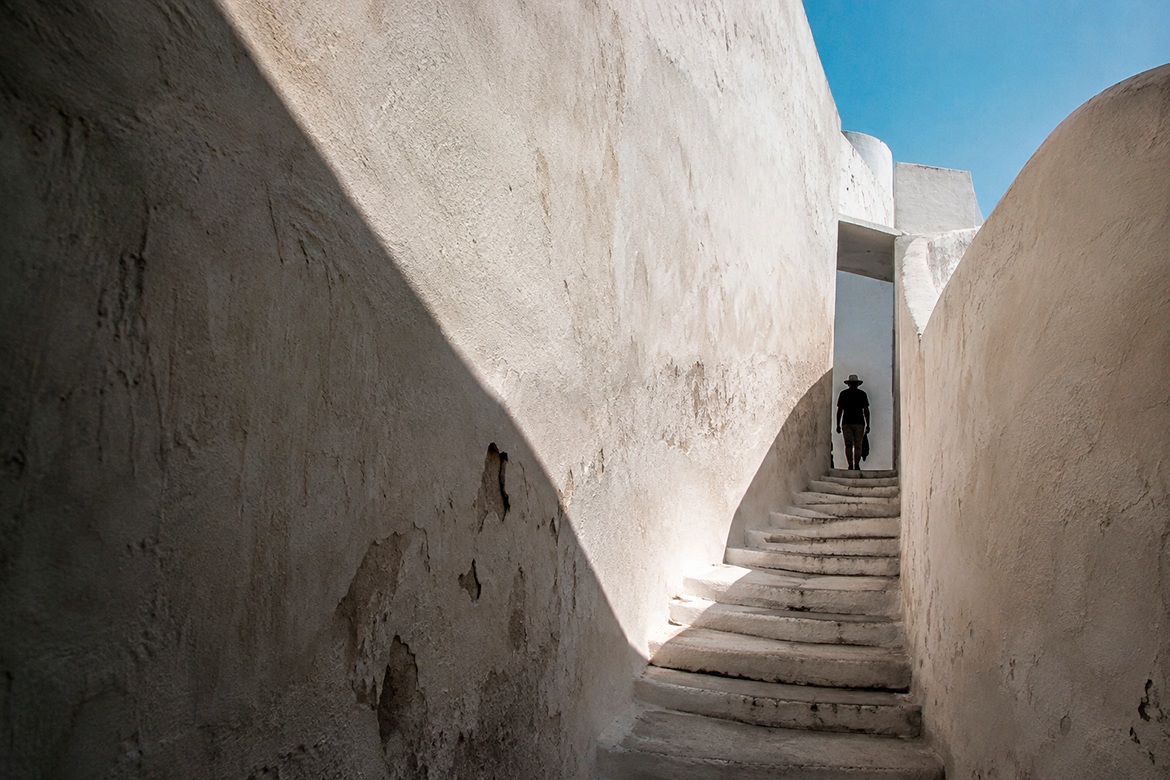
Every photographer develops a different way of interpreting what they see. This selection brings together five approaches to artistic photography, from conceptual work and personally driven landscapes to an intimate exploration of flamenco. Discover what each photographer investigates and how they present their projects on their Arcadina website.
1. Sara Roitman: conceptual photography and contemporary art
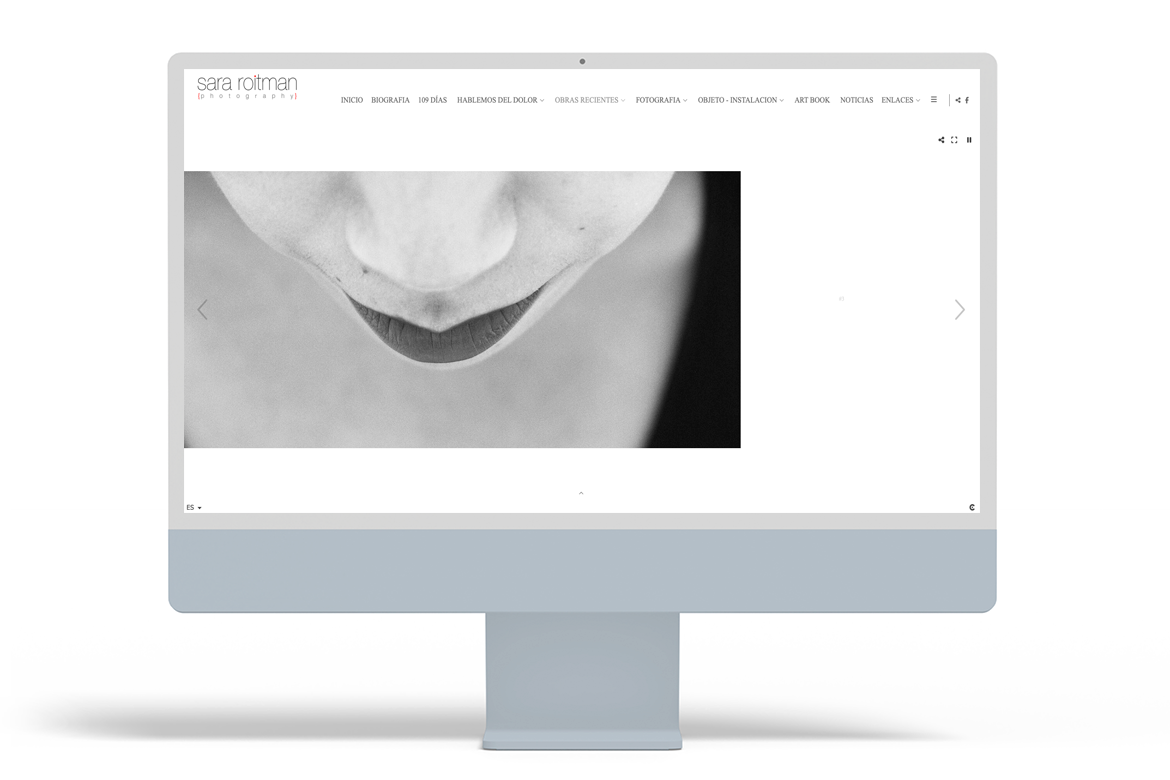
Sara Roitman is an Israeli-Chilean artist based in Quito, Ecuador, whose practice brings together photography, video art, installation, and work with objects and textiles. She moves between media to develop concepts and invite reflection on the world around her. This relationship between images, materials, and ideas places her work within contemporary art.
In her artistic photography, the project plays a central role. Series such as “Yoes,” “La maleta,” and “EVIDENT/invisible” invite us to approach her practice as a set of investigations, each with its own identity. Her work is particularly interesting for understanding how a personal artistic vision can extend beyond the individual photograph and engage with other media.
Her Arcadina website organizes this world into separate sections for photography, recent work, installations, and books. This structure makes it easier to explore a broad body of work without confusing its different creative strands. Her biography and exhibition history also provide context: visitors discovering a series can place it within her career and continue exploring other projects.
2. Santiago Pascual Buyé: from painting to personal landscape photography
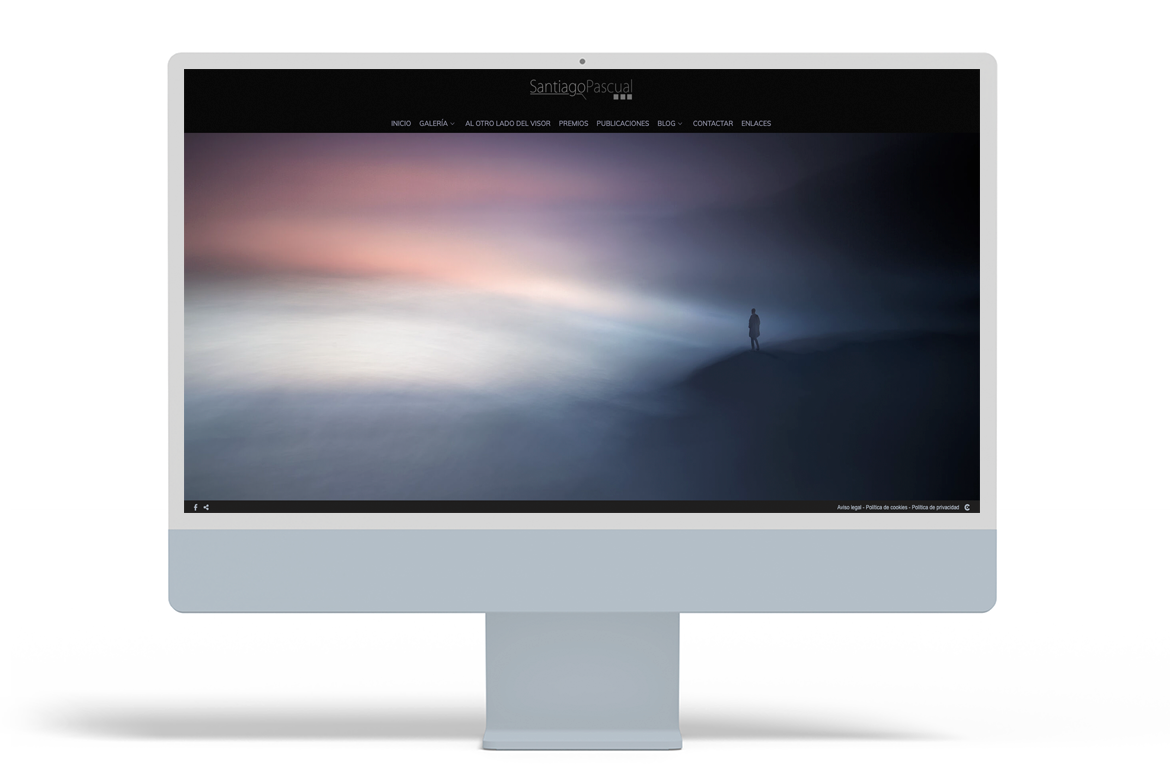
Born in Valencia and based in Vigo, Spain, Santiago Pascual Buyé holds a fine arts degree specializing in painting. After developing a career as a painter, he turned his research toward photographic language, with a particular interest in landscape photography shaped by a personal vision. His galleries also include still life, plants, street photography, and architecture.
His approach to artistic photography becomes especially clear through his collections. Titles such as “Viaje a Ninguna Parte,” “Bestiario,” and “Momentos de levedad y una cuchara” reveal lines of work that go beyond classifying images by subject. For readers of this guide, he offers a useful reference for giving a series its own identity and distinguishing it from the rest of a portfolio.
His Arcadina site offers two routes through the work: galleries organized by discipline and individually titled collections. Visitors can start with a particular interest or spend time with an entire project. Pages covering his background, awards, and publications deepen that experience and help present the work with the context it needs.
3. Aquilino Molinero: landscapes and the search for fleeting light
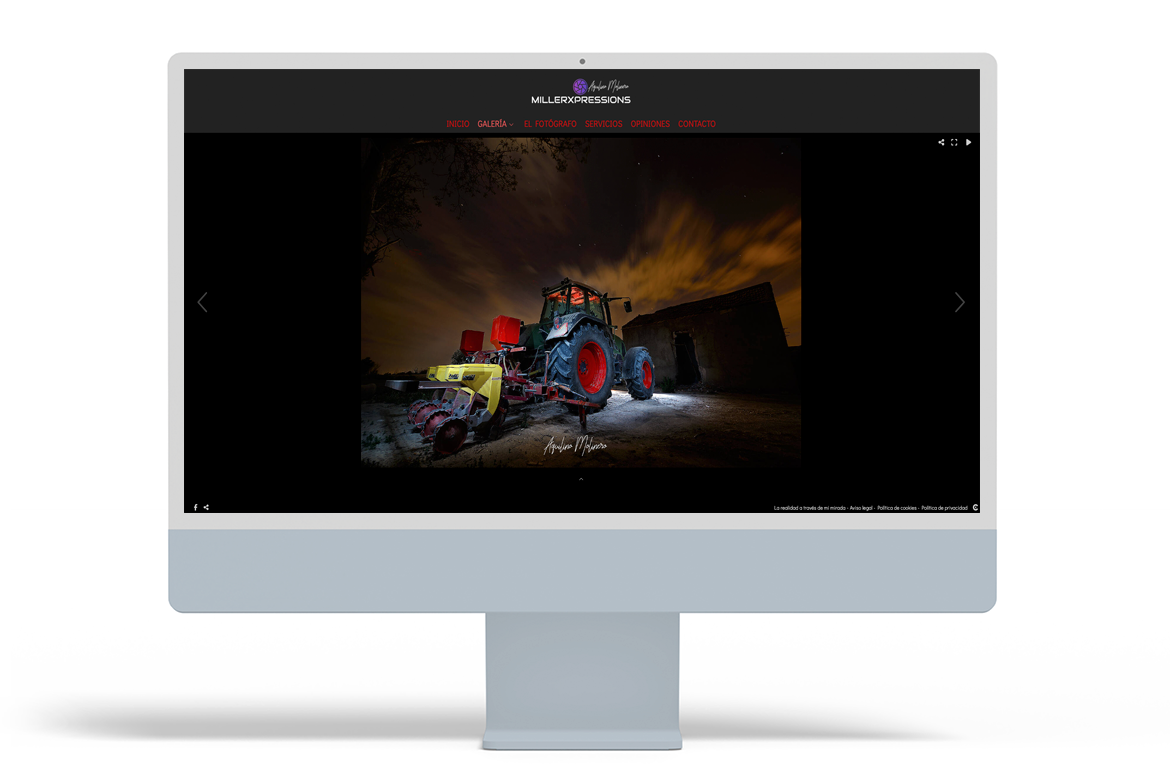
Aquilino Molinero describes himself as a multidisciplinary photographer primarily focused on daytime and nighttime landscapes, both natural and urban. His experience as a television lighting assistant contributed to his understanding of light and color harmony. He has also held his own exhibitions and explored fields such as social photography and fashion.
What connects his work with artistic photography is his interest in interpreting a moment through lighting. In his introduction, he explains his desire to preserve the fleeting conditions that transform a landscape for just a few seconds. That intention provides a useful starting point for considering how the timing of a photograph can define its meaning.
His Arcadina portfolio separates nighttime landscapes from daytime work and includes other sections, such as “Máquinas” and “Juguetitos.” Organizing the work by theme lets visitors discover his different interests without placing everything in a single gallery. His about page explains what he seeks when photographing, while the contact section makes it easy for a first visit to lead to a conversation about his work.
4. Naemi Ueta: an intimate view of the world of flamenco
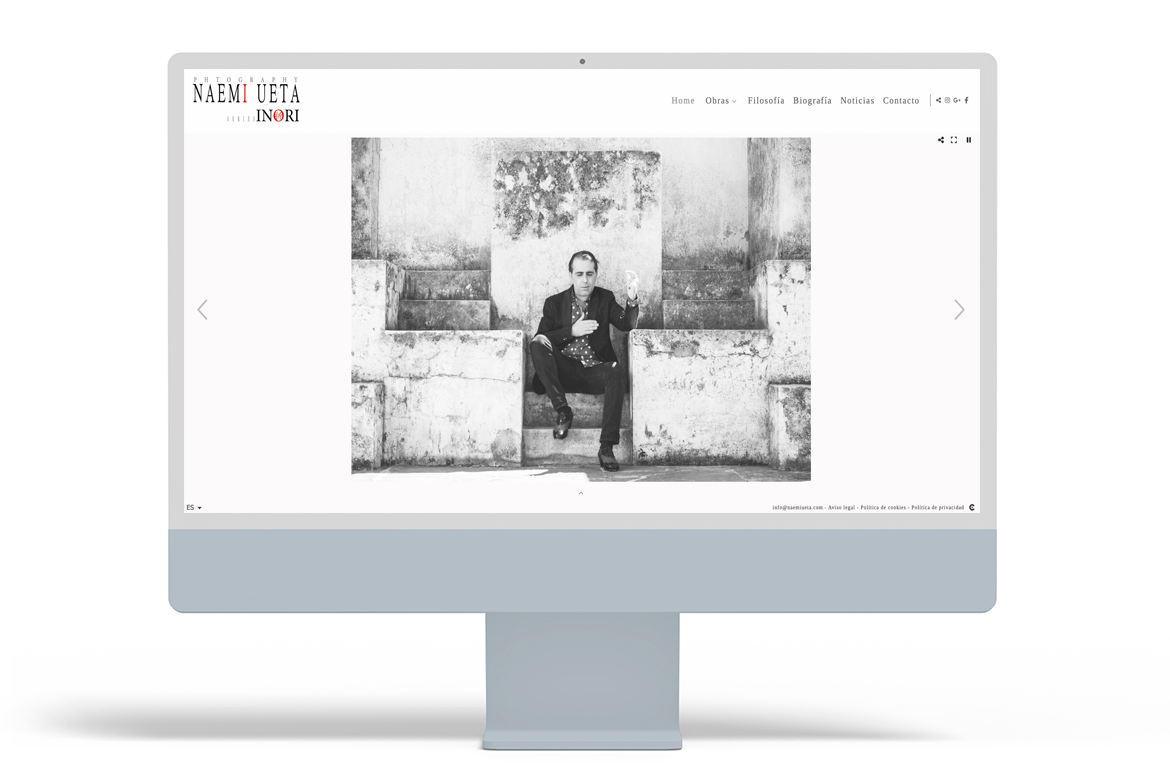
Japanese photographer Naemi Ueta develops her work from Andalusia, Spain, where she has lived for decades. Flamenco occupies a central place in her practice, alongside other work connected with Japanese art and the Andalusian region. Her “INORI” project combines a documentary approach with an artistic intention centered on people and their emotions.
To build this series, Naemi turns her camera toward artists’ private moments away from the stage. Waiting, silence, and solitude take precedence over public performance. It is an example of artistic photography rooted in a personal relationship with its subject: the photographer explains her connection with flamenco and the purpose of her exploration, adding depth to the series.
Arcadina gives her a space to bring the work together alongside that explanation. Her website’s philosophy, biography, and news sections let visitors move from looking at the images to learning about the project and its exhibition history. Presenting the work by series maintains each project’s thread and helps viewers understand it as a sustained body of work with a recognizable voice.
5. Roberto Cavallo: light, portraiture, and personal projects
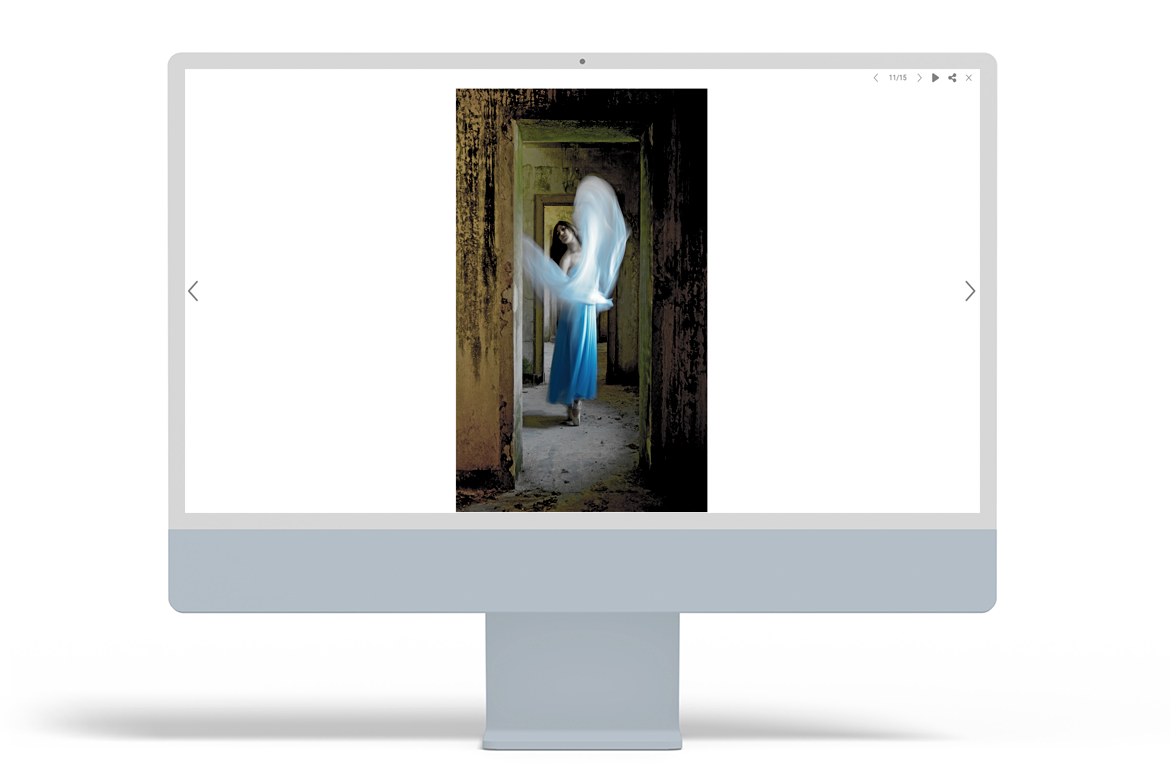
Based in Turin, Italy, Roberto Cavallo combines commercial photography with personal portraiture, social documentary work, and the development of photographic projects. His professional practice includes industrial photography, still life, and food, as well as events and weddings. This range exists alongside a personal exploration in which experimenting with light and conveying feeling play an important role.
His artistic photography has its own space in series such as “Luce… specchio dell’anima,” “Emotions in movement,” and “Ritratti senza tempo.” Presenting them as independent projects lets visitors explore his artistic interests without confusing them with client services. For anyone building a creative career, his website illustrates how commissions and personal exploration can coexist while retaining their own identities.
The structure of his Arcadina website reinforces that distinction: “Works” brings together projects and photo essays, while the portfolio categorizes his commercial specialties. Exhibition and book sections provide further ways into his practice. Visitors can follow the development of his work, learn about his professional experience, or find a specific service without one side overshadowing the others.
Showcase your artistic photography with Arcadina’s business solutions
Your artistic photography project needs time to develop and a place where you can present it thoughtfully. A carefully edited selection, a coherent sequence, and a short text explaining your intent help viewers understand what you want to express.
With Arcadina, you can bring your series together on a website with a portfolio and blog, provide context for your work, and add sales options when your project calls for them. Visitors can discover your background, explore other projects, and contact you in one place.
Ready to take that step? Try Arcadina free for 30 days, with no credit card and no commitment. Explore how you would showcase your projects and which tools fit the way you work.
One last question before we go: do you know another Arcadina photographer specializing in artistic photography who should be on this list? We’d love to hear about them in the comments.
Arcadina goes with you
Fulfil your dreams and develop your career with us. We offer you to try our web service free for 30 days. And with no commitment of permanence.
Arcadina is much more than a website, it is business solutions for photographers.
If you have any queries, our Customer Service Team is always ready to help you 24 hours a day, 7 days a week. We listen to you.
Free trial · No card · No lock-in
Build your photography business online
Sales with no commission · Everything in one plan · 30-day free trial, no card