How to become a professional photographer: a guide to turning your passion into a career
If photography is much more than just a hobby for you and you’re thinking of pursuing it professionally, you’re probably wondering how to become a professional photographer and what steps you need to take to start making a living from your work. Mastering the camera and taking good photographs is essential, but making the leap to a professional career involves much more. You’ll need to continue your training, develop your own style, find a specialism, create a portfolio capable of attracting your future clients, and learn to manage aspects such as pricing, bookings, contracts, deliveries and the promotion of your services. The good news is that you don’t need to have everything sorted from day one.
Becoming a professional photographer is a process in which experience, training and a sound business strategy go hand in hand. In this guide, we’ll walk you through the key steps that can help you turn your passion for photography into a career and build a profitable and sustainable business over time.

Being a professional photographer isn’t just about taking good photographs; it’s about learning to turn your talent, your style and your experience into a profession.
What do you need to become a professional photographer?
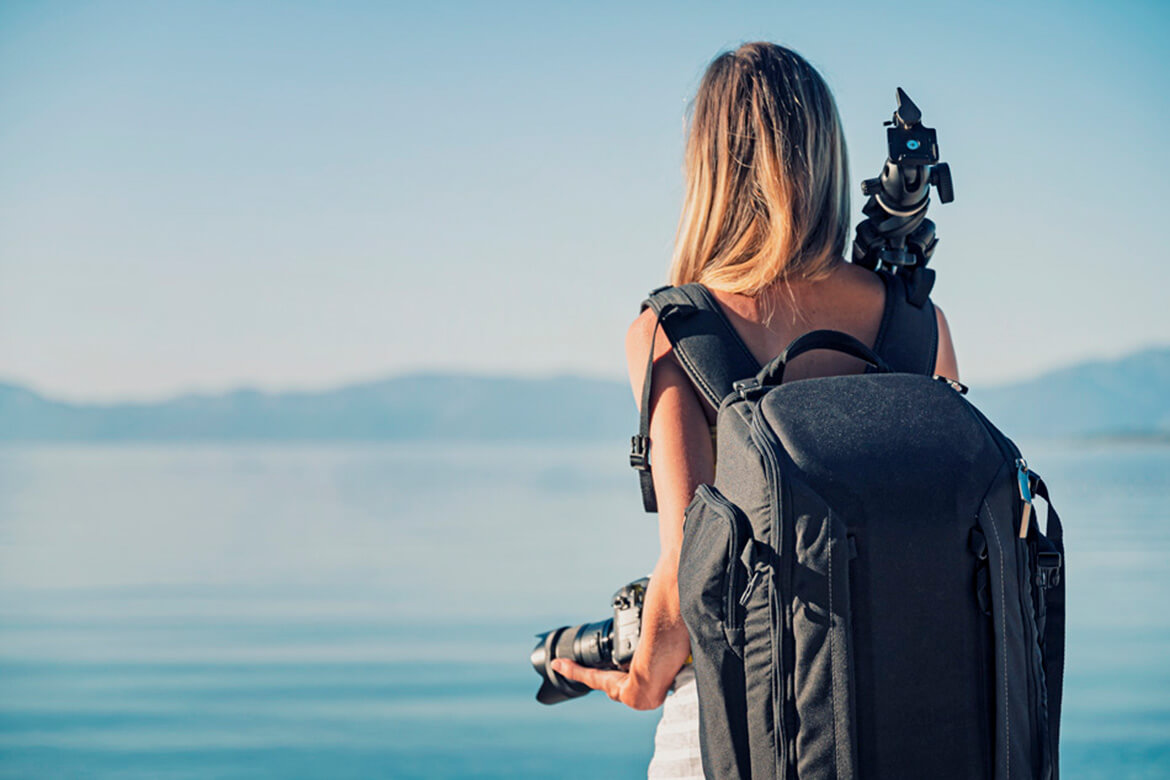
Before buying more equipment, opening a studio, creating a website or setting up an online booking calendar for photographers, it’s worth being clear about what it really means to work professionally as a photographer.
A professional photographer isn’t just someone capable of taking good photographs. They also need to understand their clients’ needs, organise their work, price their services correctly, meet deadlines, manage the administrative aspects of their business and ensure their business generates enough income to support themselves.
Therefore, if you want to pursue photography professionally, you’ll need to develop two aspects in parallel: the creative and the business-related. The former includes aspects such as technique, lighting, composition, editing and developing your own style. The latter involves learning about marketing, customer service, pricing, sales, organisation and business management.
You don’t need to master all these areas before you start. You’ll learn many of them through experience, and you’ll even be able to delegate them as your business grows. The important thing is to understand from the outset that making a living from photography requires combining talent and creativity with sound management.
8 steps to becoming a professional photographer
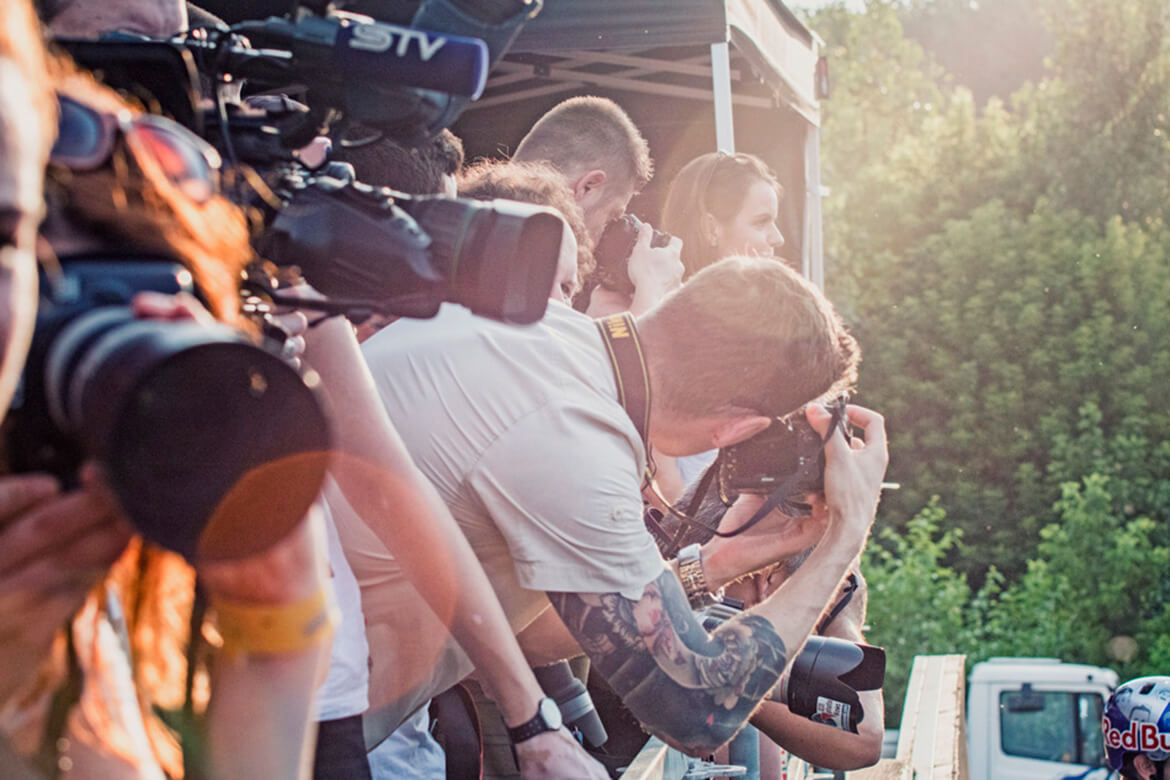
There is no single path to turning photography into a profession. Some photographers start by taking on small jobs whilst holding down another job, whilst others decide to specialise and set up their own business right from the start.
Whatever your situation, there are a number of steps that can help you build a much more solid foundation.
Training, practising, finding a specialism, creating a portfolio, setting your prices, securing clients and learning to manage each job properly are some of the issues you’ll need to tackle. Let’s look at each one in more detail.
1# Train and keep learning photography
Training is one of the cornerstones of building a professional career. Although there are now numerous free resources available for learning photography, if you want to progress more quickly, you can also turn to specialised courses, workshops, mentoring schemes or training sessions run by experienced photographers.
As well as mastering the manual operation of the camera, you’ll need to delve deeper into lighting, composition, colour, editing and retouching. Depending on the specialism you choose, you’ll also need to acquire specific knowledge.
But a professional photographer’s training doesn’t stop at technique. If you want to make a living from your work, it’s also highly recommended that you learn about marketing, sales, business management, customer service, basic tax matters and organisation.
And, above all, practise. Conducting your own photo shoots, collaborating with other professionals or working as a second photographer are excellent ways to tackle real-life situations, gain confidence and discover which areas you need to improve.
Even once your business is well established, continuing your training will allow you to develop and adapt to new trends and your clients’ needs.
2# Find your specialism and develop your own style
Weddings, newborns, families, sport, product, food, architecture, fashion, nature, corporate photography… The professional possibilities within photography are vast. During your early years, it’s a good idea to experiment with different disciplines. However, once you decide to turn photography into a profession, specialising can help you better define your offering and reach a more specific audience.
Ask yourself what sort of sessions you enjoy doing, which ones yield the best results, and what professional opportunities exist in your area. It’s also important to consider who your ideal client would be and what their needs are.
As you specialise, you’ll gradually develop your own style. Lighting, colours, composition, editing and the way you direct a shoot will all contribute to creating a recognisable visual identity. You don’t have to find your definitive style straight away. It will evolve alongside you. The important thing is to start building a consistent brand identity that, little by little, makes your photographs recognisable and ensures clients clearly understand what they can expect when they hire you.
3# Use equipment that’s suitable for the work you’ll be doing
Becoming a professional photographer doesn’t necessarily mean buying the most expensive kit on the market right from the start. The important thing is to have reliable equipment that’s suited to the specialism you’ll be working in.
A camera, lenses, batteries, memory cards, lighting, a computer, storage systems and editing software will all form part of your initial investment. Depending on the type of shoots you undertake, you’ll also need flashes, tripods, backdrops, props or other specific accessories.
You should also think about reliability. When working for a client, you cannot afford to miss a shoot due to a technical fault, so it is advisable to have spare batteries, memory cards and backup storage systems – and, when the type of work requires it, even a second camera body.
Before buying, work out what you really need. Renting certain lenses, lighting or even a studio for one-off jobs can be much more cost-effective during your first few months. Your kit should grow at the same pace as your business.
4# Create a portfolio that showcases the photographer you want to be
Your portfolio will be one of your main calling cards. A potential client needs to be able to quickly see what sort of photographs you take, what your style is, and whether your work matches what they’re looking for. That’s why a good portfolio doesn’t have to contain every photograph you’ve ever taken. It’s better to select fewer images and ensure that they all represent the standard and type of work you want to sell.
If you don’t yet have enough professional shoots under your belt, you can organise personal sessions, collaborations or your own projects that allow you to create images specifically for your portfolio. As you build up your portfolio, review it regularly. Remove any photographs that no longer reflect your current standard and add those that best showcase your development.
Also, try to ensure there is consistency between the images you show and the services you’re offering. If you want to specialise in family photography, for example, that specialism should take centre stage.
Your portfolio shouldn’t just demonstrate that you can take good photographs: it should help clients visualise what their own photo shoot with you would be like.
>> Creating a professional photography portfolio
5# Define your services and learn how to price your work
One of the most common mistakes when starting out professionally is setting prices based solely on what other photographers charge. Knowing the market is useful, but your rates must also take into account your own costs: equipment, travel, software, insurance, taxes, rent, training, advertising and all the hours you spend preparing, carrying out, selecting, editing, delivering and managing each job.
From there, you can define your services and create different options or packages where appropriate for your specialism. Make sure the client clearly understands what each service includes: session duration, number of photographs, delivery format, any additional products, travel, deadlines or booking conditions. And remember that your rates don’t have to remain fixed. As you gain experience, improve your portfolio, see demand increase and gain a better understanding of the profitability of each service, you’ll be able to review them.
Being a professional photographer also means learning to put a financial value on your time, experience and work.
6# Build your brand and establish a professional online presence
Your professional brand goes far beyond simply choosing a name or designing a logo. It’s the impression you convey to your clients through your photographs, your website, your written content, your social media and the experience you offer before, during and after each session. To build it, aim to maintain a consistent visual identity and a recognisable way of communicating. Your specialism and photographic style should be clear from the very first point of contact.
Your website will be one of the cornerstones of that digital presence. On it, you can showcase your portfolio, explain who you are, present your services, answer frequently asked questions and make it easy for a potential client to contact you or book a session.
Social media can complement this strategy and help you gain visibility, but try not to rely on it exclusively. Your website is your own space over which you have greater control and from which you can also implement strategies such as SEO or content marketing.
>> Create a professional photography website
7# Attract your first clients and build your visibility
Once you’ve established a solid foundation, one of the biggest challenges arises: attracting clients. During the first few months, you can combine different strategies. SEO can help you appear in search results when someone looks for a photographer specialising in your field; social media allows you to showcase recent work and build a community; recommendations can attract new clients; and collaborations with other professionals can open up interesting opportunities.
You can also create blog content addressing the queries and needs of your ideal client, run advertising campaigns at strategic times, or establish partnerships with businesses related to your specialism. But gaining visibility isn’t just about being present across many channels. Your message must be consistent and explain what you do, who you work for, and what sets your offering apart.
And don’t neglect those who have already placed their trust in you. A positive experience can lead to recommendations, testimonials, new bookings and repeat clients, becoming one of your best tools for attracting new business.
8# Learn to run your business like a professional
When your first clients start coming in, you’ll discover that a significant part of your working day isn’t spent taking photographs. Responding to enquiries, organising your diary, preparing quotes, managing bookings, sending contracts, collecting payment for jobs, issuing invoices, selecting and delivering photographs, or fulfilling orders are all tasks that form part of the day-to-day running of any photography business.
If you manage each process using different tools or manually, these tasks can end up taking up too many hours. That’s why it’s important to establish an organised workflow from the outset and, wherever possible, automate repetitive processes.
Centralising client information, setting up an online agenda for your sessions and contracts, defining how you will deliver photo shoots, and keeping your invoicing organised will allow you to work with greater peace of mind.
Good management doesn’t just help you save time. It also enables you to offer a more professional experience to the client, from the moment they request information right through to receiving their photographs.
Make your website the hub of your photography business

When you decide to make a living from photography, your website can become more than just a portfolio – it can become a genuine business tool. As well as showcasing your best images and explaining your services, you can use it to help clients take the next steps: request information, book a session, make a payment, select photographs, or purchase images and products.
At Arcadina, we’ve developed specific solutions for photographers that allow you to bring together different aspects of your business in a single platform. You can create your website and blog, organise private galleries to deliver, select and sell photographs to your clients, use public galleries to sell images, and manage online bookings, contracts, quotes and invoices, amongst other possibilities. In this way, rather than using numerous separate tools, you can centralise much of your administration and devote more time to your photo shoots and to growing your business.
Technology doesn’t replace the work required to become a professional photographer, but it can help you organise things more effectively as your client base begins to grow.
How to get your clients to appreciate your photographic work

Being a good photographer alone does not guarantee that clients will understand the value of your work. You also need to learn how to communicate it. Your portfolio is important, but a professional image is built on many other elements: a well-designed website, clear information about your services, prompt customer service, testimonials from other clients, straightforward booking processes, professional contracts and the delivery of photographs that live up to the experience you’ve promised.
It’s also important to explain what sets your approach apart. Rather than competing solely on price, showcase your specialism, experience, style and everything you do before, during and after a shoot. The better a potential client understands what they’re hiring, the easier it will be for them to evaluate your proposal against other options.
This aspect of the business becomes particularly important when you want to increase your rates and work with clients who are looking for more than just the lowest price.
Mistakes to avoid when starting out as a professional photographer
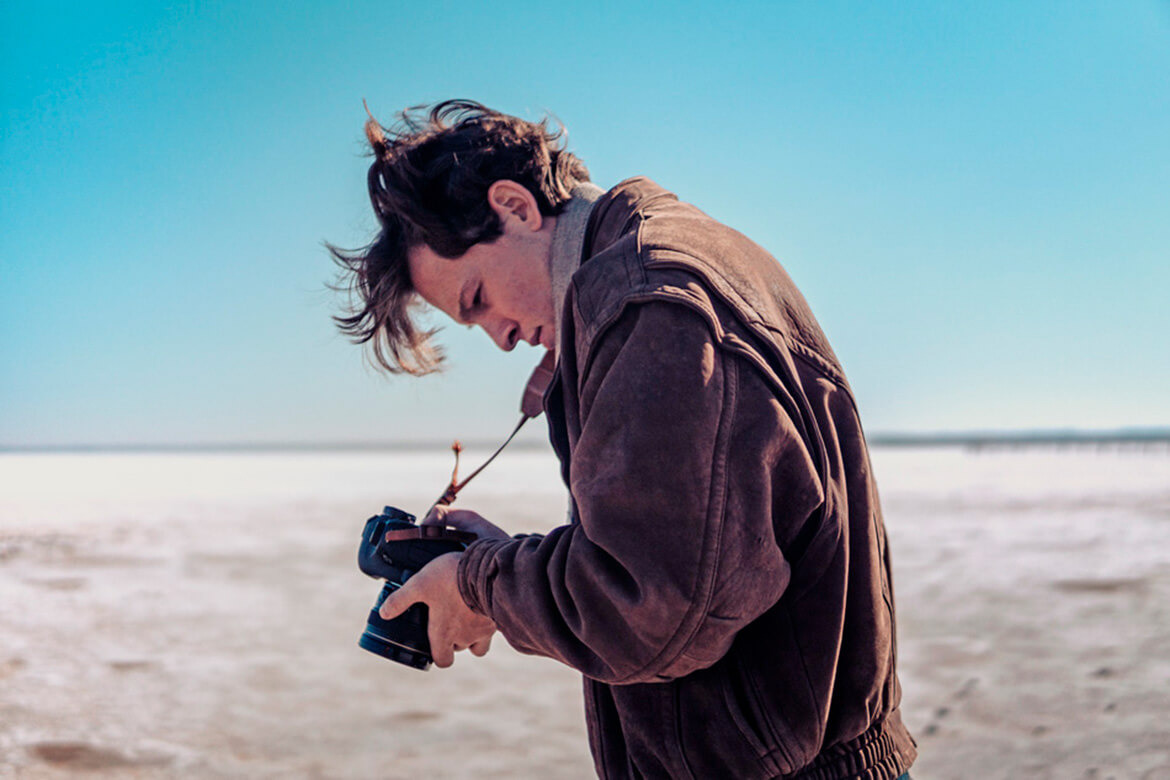
The early days are usually a learning curve, and it’s normal to make mistakes. The aim isn’t to avoid them all, but to spot them as soon as possible and learn from them. One of the most common mistakes is investing too much in equipment before you know what you really need. It’s also common to accept any kind of shoot, include photographs in your portfolio that are very different from one another, or set prices too low simply to secure your first clients.
Other mistakes relate to business management: working without clearly setting out the terms of service, not using contracts, mixing personal finances with business finances, neglecting backups, or spending all your time taking photographs without setting aside time for marketing and administration.
Nor is it a good idea to rely exclusively on Instagram or another social media platform to attract clients. Building a website, working on your search engine optimisation and diversifying your client acquisition channels will enable you to develop a more robust digital presence.
Making mistakes is part of the process. The important thing is to analyse what works and what doesn’t, so you can gradually professionalise every area of your business.
How long does it take to become a professional photographer?

There’s no set timeframe. It will depend on your initial knowledge, the time you can devote to practising, your specialism, the market you want to work in, and the pace at which you manage to build up a client portfolio. Nor is there an exact moment when you stop being an amateur and automatically become a professional. The transition usually happens gradually: you start by training, carry out your first photo shoots, build a portfolio, land your first paid jobs and, little by little, develop a more stable business.
That’s why, if you currently have another job, it isn’t always necessary to give it up straight away. You can use this phase to gain experience, gauge the demand for your services and lay the foundations of your business before becoming financially dependent on photography.
Rather than setting a specific date, set yourself goals: improve your technique, complete a specific portfolio, set your rates, secure your first clients and achieve a level of income that allows you to consider the next step with greater confidence.
Start building your career as a professional photographer today
Learning how to become a professional photographer involves much more than simply mastering a camera. You need training, practice, specialisation, a solid portfolio and a strategy that enables you to attract clients and turn your creative work into a profitable business.
Don’t try to do everything at once. You can start by improving your technique and deciding what kind of photography you want to specialise in, and then work on your brand, build your online presence, define your services and organise all the processes relating to your clients.
Once you start receiving commissions, having tools that allow you to centralise tasks – such as an online booking calendar for photographers, contracts, invoicing, sales and the delivery of photographs – can help you professionalise your photography business and save many hours of administrative work.
With Arcadina, you can bring all these tools together in one place and tailor them to your business’s needs as it grows.
And now we’d love to hear about your experience: where are you currently on your journey to becoming a professional photographer? We look forward to reading your comments.
Arcadina goes with you
Fulfil your dreams and develop your career with us. We offer you to try our web service free for 30 days. And with no commitment of permanence.
Arcadina is much more than a website, it is business solutions for photographers.
If you have any queries, our Customer Service Team is always ready to help you 24 hours a day, 7 days a week. We listen to you.
Free trial · No card · No lock-in
Build your photography business online
Sales with no commission · Everything in one plan · 30-day free trial, no card