Post-Wedding Photo Shoots: Tips for Capturing Spectacular Sessions
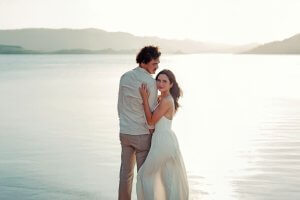
Post-wedding photo shoots offer wedding photographers a fantastic opportunity to create images that are different from those captured on the wedding day itself. Without such tight schedules, waiting guests, or moments that can’t be repeated, the photographer and the couple can focus solely on enjoying the session and capturing much more creative photos. In addition, a post-wedding shoot allows you to offer couples a completely different experience from their wedding day, from planning the session to the subsequent delivery of the photos through a private client gallery. The key is to ensure that these new images offer something different from the ones the couple already has from their big day.
It is precisely this freedom that is one of the greatest appeals of post-wedding photo sessions. You can choose a special location, find the best time of day, travel to a different setting, or plan photos that would be practically impossible to take during a wedding. But having more time doesn’t mean that a good post-wedding shoot happens by chance. Choosing the right location, getting to know the couple beforehand, preparing the right equipment, studying the light, and knowing how to direct the couple are some of the factors that can make all the difference.
In this article, we’ll share a series of tips for wedding photographers who want to get the most out of their post-wedding shoots and capture images with their own unique character.
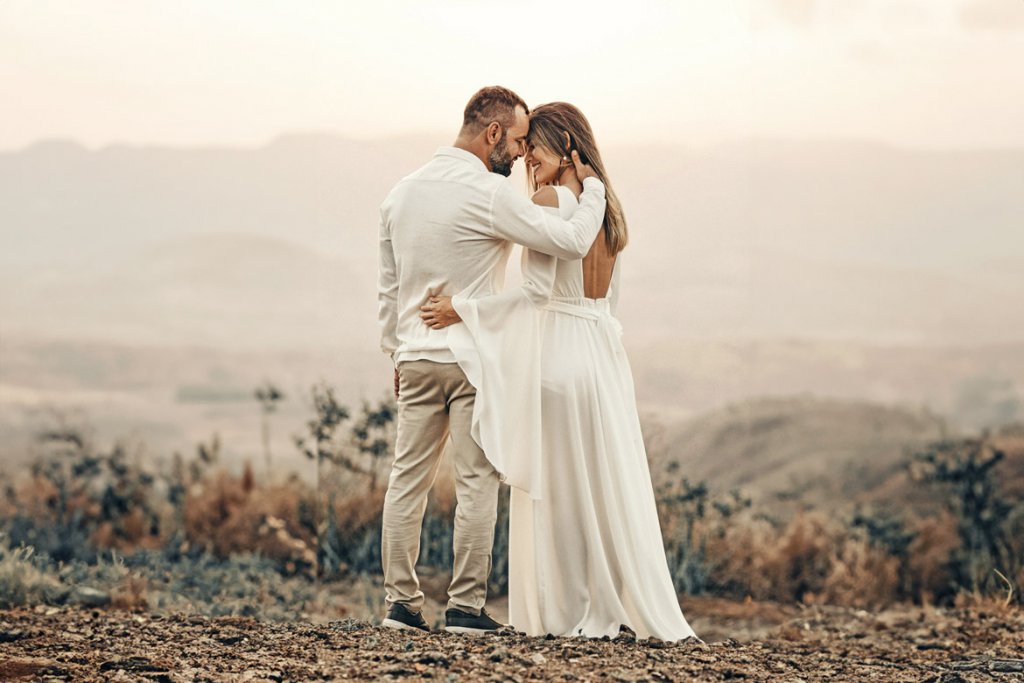
A good post-wedding shoot begins long before you take the first photo: getting to know the couple, choosing the location, and planning the session will give you the freedom to be creative when the time comes.
What Makes Post-Wedding Photo Sessions Different?
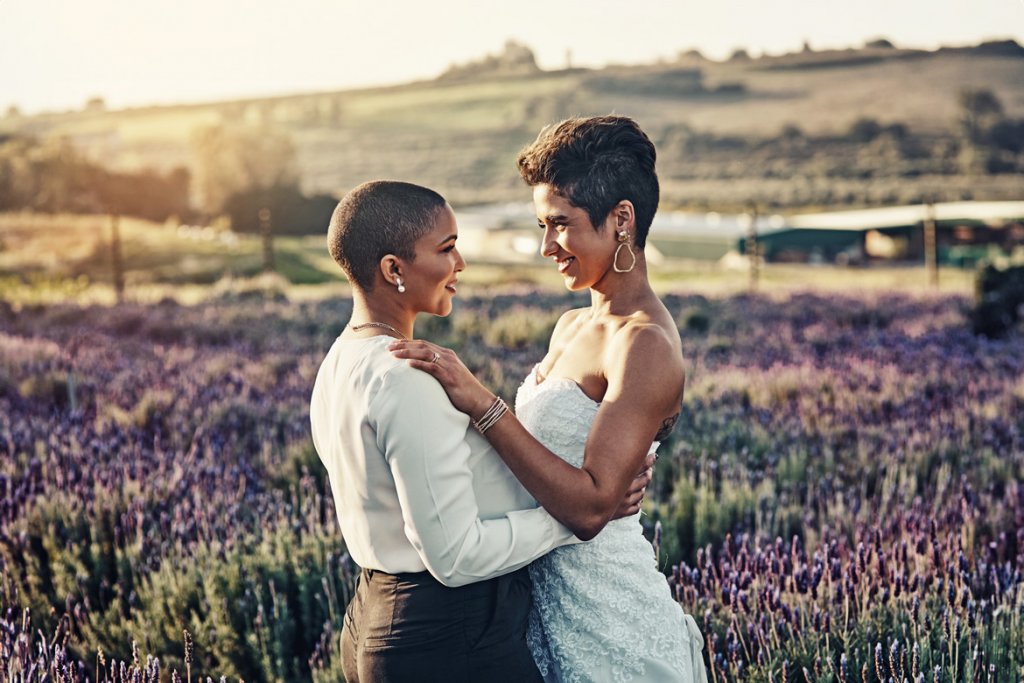
A post-wedding shoot shouldn’t be viewed simply as a repeat of the photos taken on the wedding day. Even though the couple dresses up as bride and groom again, the circumstances are completely different—and that’s precisely where its photographic potential lies. During a wedding, you’re constrained by a schedule. Getting ready, the ceremony, travel between locations, the cocktail hour, the reception, and the celebration set the pace and force you to make the most of brief moments to capture specific couple shots. In post-wedding photo shoots, much of that pressure disappears.
You can choose the day, decide what time to start, and travel to a location that truly suits the photos you want to capture. This allows you to work at a much more leisurely pace and pay special attention to composition, scenery, and lighting.
You’ll also find a different side to the couple. The pre-ceremony jitters have faded, and the newlyweds already know how you work because they’ve shared their entire wedding day with you. That trust can help you capture more spontaneous and natural images. That’s why it’s important to take advantage of the unique opportunities a post-wedding shoot offers. If you simply repeat the exact same setups, framing, and poses you used during the wedding ceremony, the couple may feel like they’re just taking the same photos all over again. Look for something different. That should be the guiding principle for the entire session.
Get to Know the Couple Before Planning Their Post-Wedding Shoot
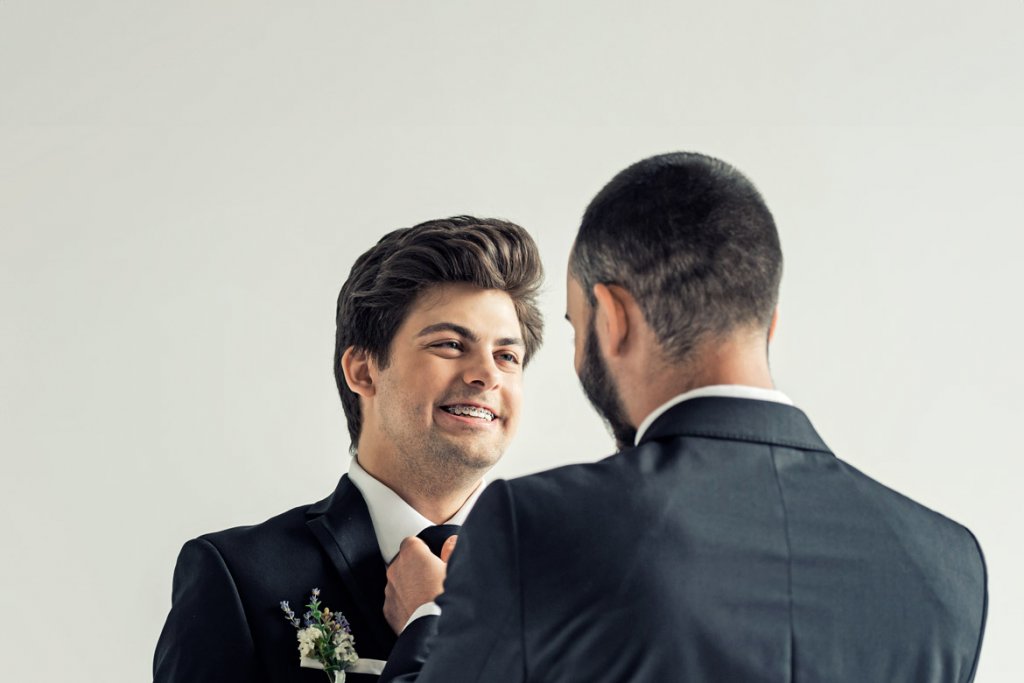
Even if you’ve already photographed their wedding, it’s a good idea to talk to the couple again before planning the post-wedding shoot. Ask them what they expect from the session, if they have any specific ideas, and what kind of photos they’d like to get. After seeing their wedding photos, they may have discovered a photography style they particularly like or have a much clearer idea of what they want to do during the post-wedding shoot.
You can also ask them if there’s a special place that means a lot to them. The place where they met, a beach they often visit, a landscape connected to a hobby, or a city that’s significant in their history can add an emotional element to the photo story. This preliminary conversation will also help you understand their limits. Not all couples will be willing to hike for hours in the mountains, get into the water, or do a shoot in the middle of winter. Your job is to find the balance between your ideas as a photographer and the personalities of the couple.
Additionally, knowing what they expect from the session will allow you to better prepare for the shoot and avoid unnecessary improvisation. You can present several ideas, explain the possibilities each one offers, and decide together which one works best. This planning is also important before the wedding. If you’d like to explore this topic further, our article on how to organize your pre-wedding sessions offers a series of recommendations for preparing this type of shoot and helping the couple feel more relaxed in front of the camera.
A post-wedding photo shoot can be much more creative than the photos taken during the ceremony, but to achieve this, it’s important that the couple feels connected to what you’re going to do.
Choose a location that brings something new to the post-wedding shoot
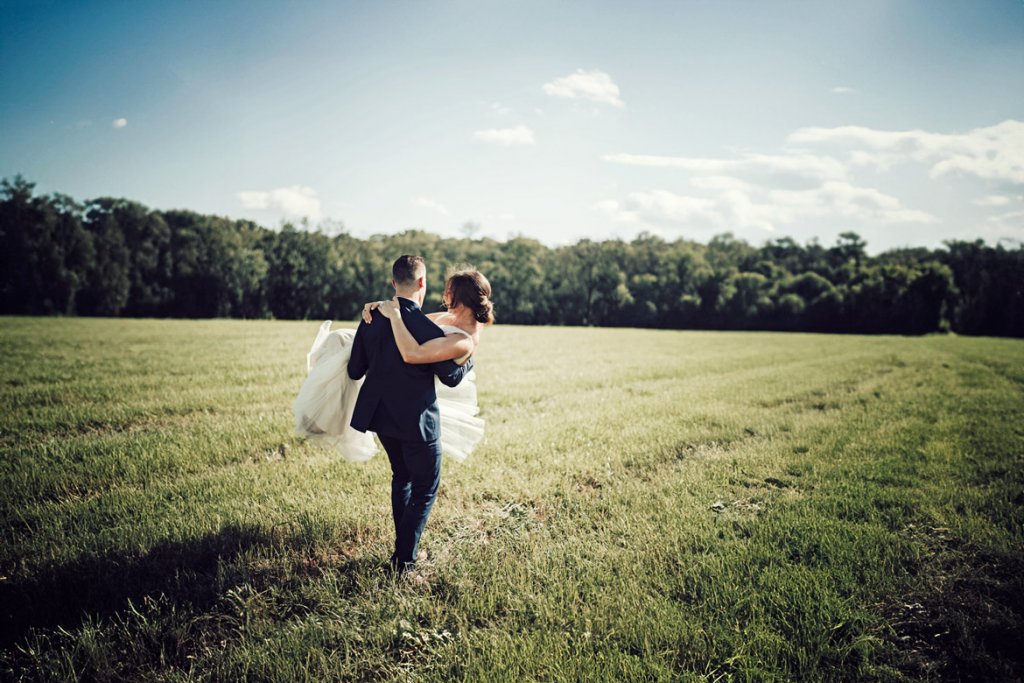
The choice of location can completely transform the outcome of a post-wedding photo shoot. Since you’re not limited by the location of the ceremony or reception, you have the freedom to seek out settings that truly enhance your photos. You can head to a beach, shoot in the mountains, use an urban setting, or find a landscape completely different from the one that surrounded the wedding. Before choosing the location, think about what you want to achieve.
If the wedding took place in an urban setting, for example, a post-wedding shoot in the heart of nature can add a lot of variety to the entire photo series. And if rural settings dominated the wedding, a session in the heart of a city can produce exactly the opposite effect.
It’s also important to scout the location beforehand. Visiting it before the session will allow you to discover framing options, figure out where the sun sets, calculate travel times, and identify potential challenges. Keep in mind practical considerations such as access, the need for permits, crowd levels, and the time the couple will need to walk to the location while wearing their outfits.
A spectacular location doesn’t guarantee good photos. The setting should help you create images—it shouldn’t become the sole focus.
Beach, mountains, city, or countryside: tailor the setting to each couple
There’s no such thing as a perfect location for every post-wedding photo shoot. An adventurous couple might enjoy a session in the mountains, while others will feel much more comfortable strolling through city streets or walking along a beach.
In addition to the landscape, think about the location’s photographic possibilities: changes in elevation, architectural elements, reflections, shaded areas, vegetation, lines you can use in the composition, or open spaces where you can integrate the couple into the landscape. The more possibilities you’re aware of before you start, the more freedom you’ll have during the session.
Study the light before starting the photo shoot
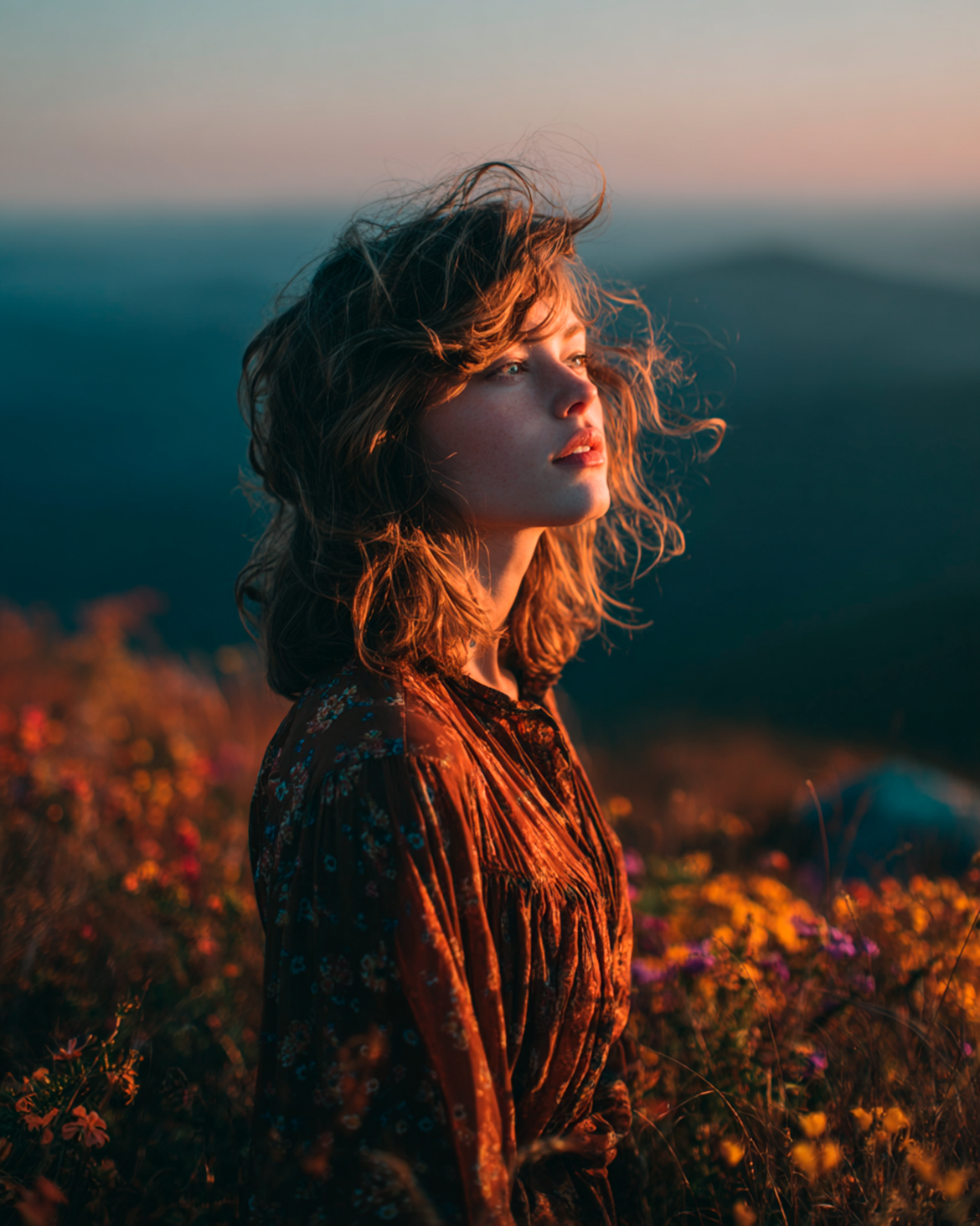
One of the great advantages of post-wedding photo shoots is that you can choose when to take the photos. During a wedding, you have to adapt to what’s happening. If the ceremony ends at a certain time, that will likely be the only light available for taking some couple photos. In a post-wedding shoot, you can plan exactly the moment that interests you most.
If you work primarily with natural light, study the location’s orientation and the sun’s position beforehand. The early and late hours of the day usually provide softer lighting and can offer many creative possibilities. But you don’t have to limit yourself to sunset.
A cloudy day can provide fantastic, even light for certain portraits. The hours after sunset allow you to play with the blue of the sky and artificial lighting. Even a nighttime session can become a completely different experience. The important thing is that the choice is intentional.
You should also have a plan for what to do if conditions change. A post-wedding shoot allows for some flexibility with the date, but wind, clouds, or unexpected rain can still pop up.
Instead of always viewing these elements as a problem, consider whether you can incorporate them into the shoot. Under certain circumstances, less predictable weather conditions can actually help you capture some of the most special photos in the album.
Pack your gear with the type of post-wedding shoot in mind
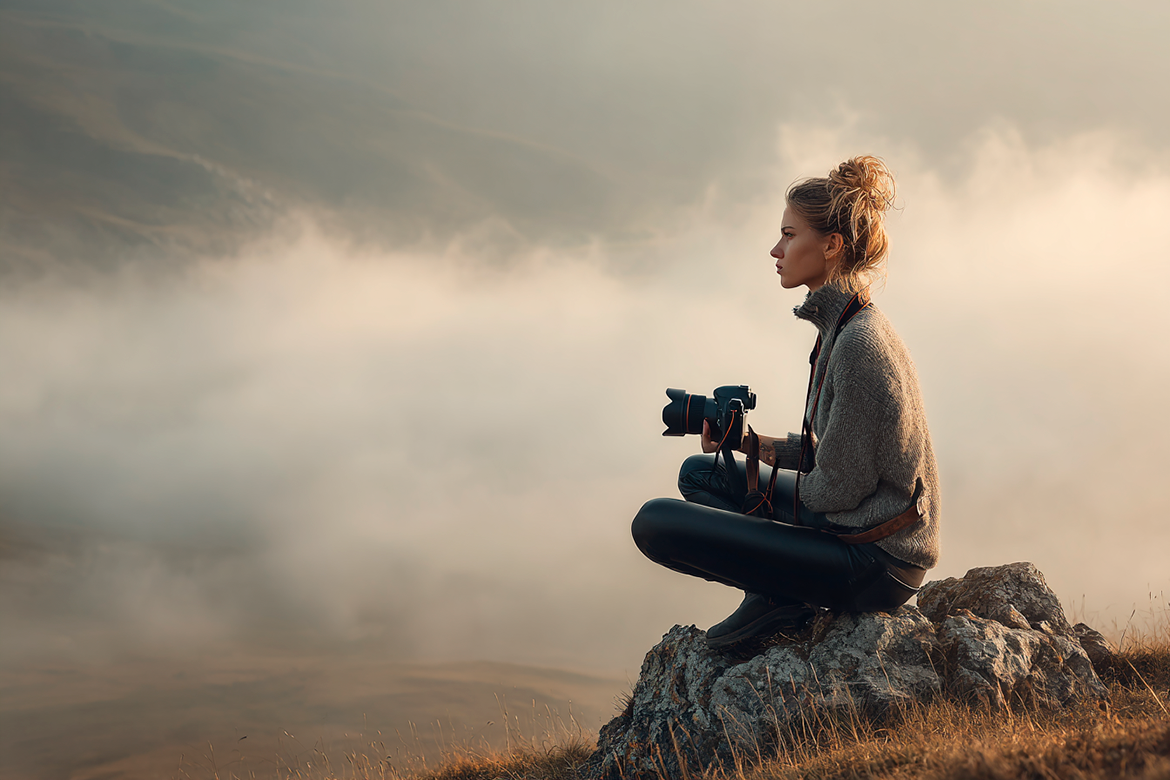
Although you probably have a standard setup for photographing weddings, a post-wedding shoot may require different preparation. The location will largely determine what you need to bring. A session next to a car in an urban area is not the same as walking for an hour to reach a mountain landscape.
Choose lenses that allow you to achieve variety without carrying unnecessary gear. A combination that lets you take close-up portraits and photos where the couple blends into the landscape usually offers plenty of flexibility.
If you’re going to use artificial lighting, also think about how to transport flashes, stands, or modifiers. In certain locations, it may be more practical to streamline your gear and work with a lighter setup. Batteries, memory cards, and backup gear remain essential. And depending on the location, it may also be useful to bring protection for your equipment against sand, humidity, dust, or rain.
Your preparation should also include small details that can make the couple’s experience easier. If you’ll be walking a lot, for example, you can recommend that they wear comfortable shoes for getting around and change into their formal attire only when it’s time to take the photos.
Preparing your equipment properly will allow you to focus later on what’s truly important: observing, directing, and creating.
Avoid turning the post-wedding shoot into a series of poses
One of the risks of having more time is ending up directing the couple too much. Instructions are necessary, especially when the couple isn’t used to being in front of a camera, but a post-wedding shoot should also leave room for things to happen naturally.
Instead of constantly telling them where to place each hand or where to look, suggest actions. Ask them to walk, talk to each other, explore a specific area, or simply enjoy the scenery. As they interact, observe.
The small gestures, glances, and moments that arise between shots can be much more interesting than a perfectly staged pose. This doesn’t mean giving up on direction altogether. You can initially position the couple where the light or composition works best and, from there, let them interact.
Alternating more directed shots with spontaneous ones will allow you to create a much more varied portfolio. Also, remember that you’ve already photographed this couple during their wedding. You know how they react to the camera, which directions work best, and what kind of images look most natural for them.
Take advantage of that knowledge. One of the great advantages of a post-wedding shoot is precisely that you’re building on a level of trust that you were still establishing during the pre-wedding shoot or the early moments of the ceremony.
Aim for photos that are different from those taken on the wedding day
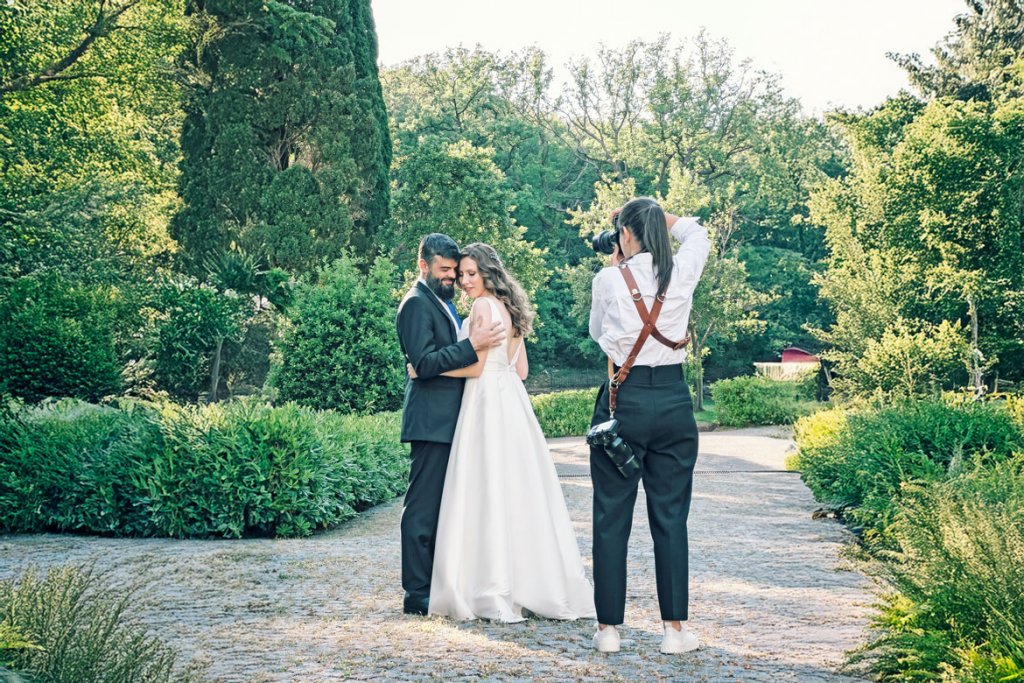
This should be one of the main goals of any post-wedding photo shoot. The couple already has photos of themselves in their wedding attire. If you want the session to add real value, you must offer them images they likely couldn’t have captured during the celebration.
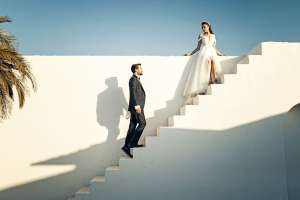
You can experiment with bolder compositions, spend more time on a portrait, use artificial lighting, or incorporate the couple into expansive landscapes. You can also work with different perspectives. Step back, use elements of the surroundings as foregrounds, shoot through objects, or look for reflections that add depth to the images. And not every photo has to clearly show the couple. A silhouette, an image where the couple occupies only a small part of the frame, or a detail of the dress fluttering in the wind can add variety and rhythm to the photo story.
The freedom of a post-wedding shoot also allows you to experiment. You can try a technique you wouldn’t use during the wedding because you don’t have the leeway to retake a photo or spend more time finding the right composition. The session should become a space where you can explore your style and offer the couple something different.
In addition to experimenting during the session, think of the result as a complete photo story. Combining portraits, wide shots, close-ups, and more creative shots will allow you to create a varied selection that you can later present to the couple in their private client galleries.
Take Advantage of the Scenery Without Losing Sight of the Subjects
When you’re working at a spectacular location, it’s easy to get carried away by the scenery. Using wide shots can yield stunning photos, but remember that you’re creating a couple’s photo story. Alternate those images with medium shots, portraits, and details to achieve a balanced visual narrative.
The setting should help you tell the story, not overshadow it.
Leave room for improvisation and creativity
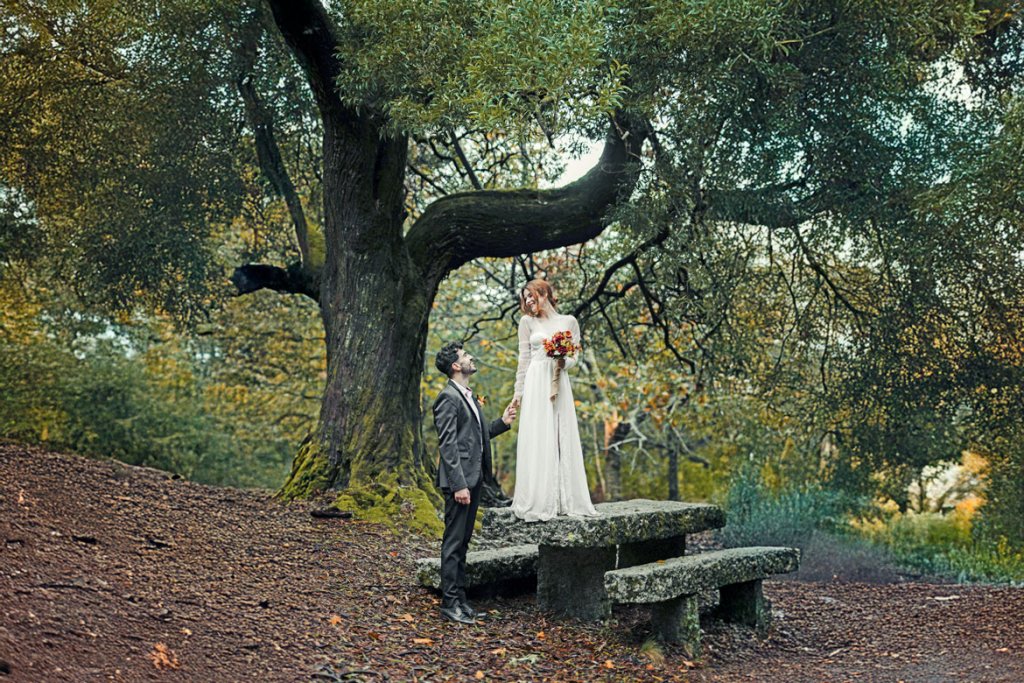
Planning a post-wedding shoot is important, but trying to control absolutely everything can backfire. You may have planned locations, know the sun’s position, and have some shots in mind, but during the session, situations will arise that you hadn’t anticipated. A cloud can completely change the light. The wind might make the dress move. An unexpected reflection might appear, or you might stumble upon an interesting spot while moving from one location to another. Stay alert for these opportunities.
Experience will help you recognize when it’s worth temporarily setting aside the plan and taking advantage of what’s happening in front of the camera.
You can also use these sessions to experiment with techniques you don’t usually have time to try during a wedding: slow shutter speeds, different exposures, backlighting, artificial lighting, more daring compositions, or night photography. Not all of these experiments need to end up in the final gallery. Having more time actually allows you to experiment without risking the essential shots.
Good planning gives you confidence; improvisation can yield some of the best images of the session. And if you’re looking for new ideas for working with couples, you can also check out this selection of photographers with highly inspiring pre-wedding photos. Even though these are sessions taken before the wedding, observing how other professionals handle composition, locations, and their connection with the couples can help you discover new approaches for your own photo shoots.
Pay Attention to the Pace of the Post-Wedding Session
Having more time available doesn’t mean a post-wedding shoot should go on indefinitely. A session that’s too long can end up tiring the couple and making the last photos look unnatural. It’s best to have a clear idea of the moments and locations you want to capture and maintain a comfortable pace.
If you’re going to use multiple locations, plan the route in advance to avoid unnecessary travel. You can also start with simpler shots while the couple gets used to the camera again and save the more creative ideas for when they’re completely relaxed. Pay attention to how the couple is feeling.
If you notice they’re starting to get tired, change things up, give them a short break, or switch to a different type of photo. Ensuring a positive experience throughout the session will ultimately show in the photos.
Don’t forget that for them, the post-wedding shoot should also be a fun time. After months of planning their wedding and experiencing a day full of emotions, this session lets them put their wedding attire back on without the pressure of the celebration. Making sure they enjoy the experience is just as important as finding a great location or spectacular lighting.
Select the best photos and pay special attention to the delivery

Once the session is over, another important moment arrives: selecting the photos that truly tell the story of that post-wedding shoot. You don’t need to deliver several nearly identical images. A carefully curated selection can convey the rhythm of the session much better if it combines close-ups, portraits, candid shots, and small details. Think of the photo story as a whole, not just a series of good photos. The final selection should allow the couple to relive the experience while also showcasing the variety you captured during the session.
The way you deliver the images also influences that experience. Private galleries for photographers allow you to present the photo story in a private space for each client, where the couple can enjoy their photos and make their selections at their leisure. In addition, some images may have a life beyond the digital delivery. A particularly meaningful photograph can be made into a large print, several images can be included in an album, and family members may want their own copies. In these cases, you can supplement the delivery with professional products, giving the photographs a physical format that the couple can keep.
The post-wedding process ends when you deliver the work, which is why paying close attention to this final step is just as important as preparing for the session or capturing a great photo.
Review each post-wedding shoot to continue improving your future photo stories
The work doesn’t end when you deliver the photos. Reviewing how the shoot went afterward can help you improve your future projects. In addition to analyzing the final result, think about which decisions paid off. Did you choose the right time of day? Did the location offer as many possibilities as you expected? Did you bring equipment that you ultimately didn’t use? Was there any part of the session that went on too long? You can also observe which types of images stand out within the collection.
You might discover that certain compositions work especially well with your style or that you enjoy working in certain types of locations more. Little by little, these insights can help you define your own approach to post-wedding shoots. You can even ask the couple how they experienced the shoot. Finding out which part they enjoyed most or if there was a moment when they didn’t feel completely comfortable can provide you with very useful information.
A photographer’s growth doesn’t depend solely on doing more shoots, but on learning from them. Each post-wedding shoot can help you refine the next one and build a portfolio that’s increasingly consistent with the type of photography you want to create.
Make sure your post-wedding photo shoots have their own unique personality
Post-wedding photo shoots offer you something that’s much harder to come by on the wedding day itself: time and freedom to be creative. Make the most of them.
Get to know the couple, find a location that really offers something unique, study the light, pack only the gear you need, and think about the photos you weren’t able to take during the ceremony. But don’t turn all that planning into a rigid checklist of shots you have to get. Leave room for the couple to interact, observe what’s happening around you, and take advantage of unexpected moments.
Over time, you’ll also be able to develop your own personal approach to these sessions. Some photographers stand out for their stunning landscapes, others for very natural post-wedding shoots, and still others for a more editorial, creative, or cinematic style. There’s no single “right” way to conduct a post-wedding photo shoot. What matters is that the photos are consistent with your style and, at the same time, tell a story about the couple in front of you.
And remember that the experience doesn’t end when you take the last photo. Carefully curating the selection and presenting the results in private galleries for your clients will allow you to complete the entire process professionally and offer each couple a space to enjoy their post-wedding photo story.
This way, you’ll ensure that the post-wedding shoot isn’t just a continuation of the wedding photos, but a photo series with its own identity and an opportunity to create some of the most special images from the entire wedding project.
And you—what resources or tips do you use to create unique post-wedding photo shoots?
Arcadina goes with you
Fulfil your dreams and develop your career with us. We offer you to try our web service free for 14 days. And with no commitment of permanence.
Arcadina is much more than a website, it is business solutions for photographers.
If you have any queries, our Customer Service Team is always ready to help you 24 hours a day, 7 days a week. We listen to you.
Free trial · No card · No lock-in
Build your photography business online
Sales with no commission · Everything in one plan · 30-day free trial, no card